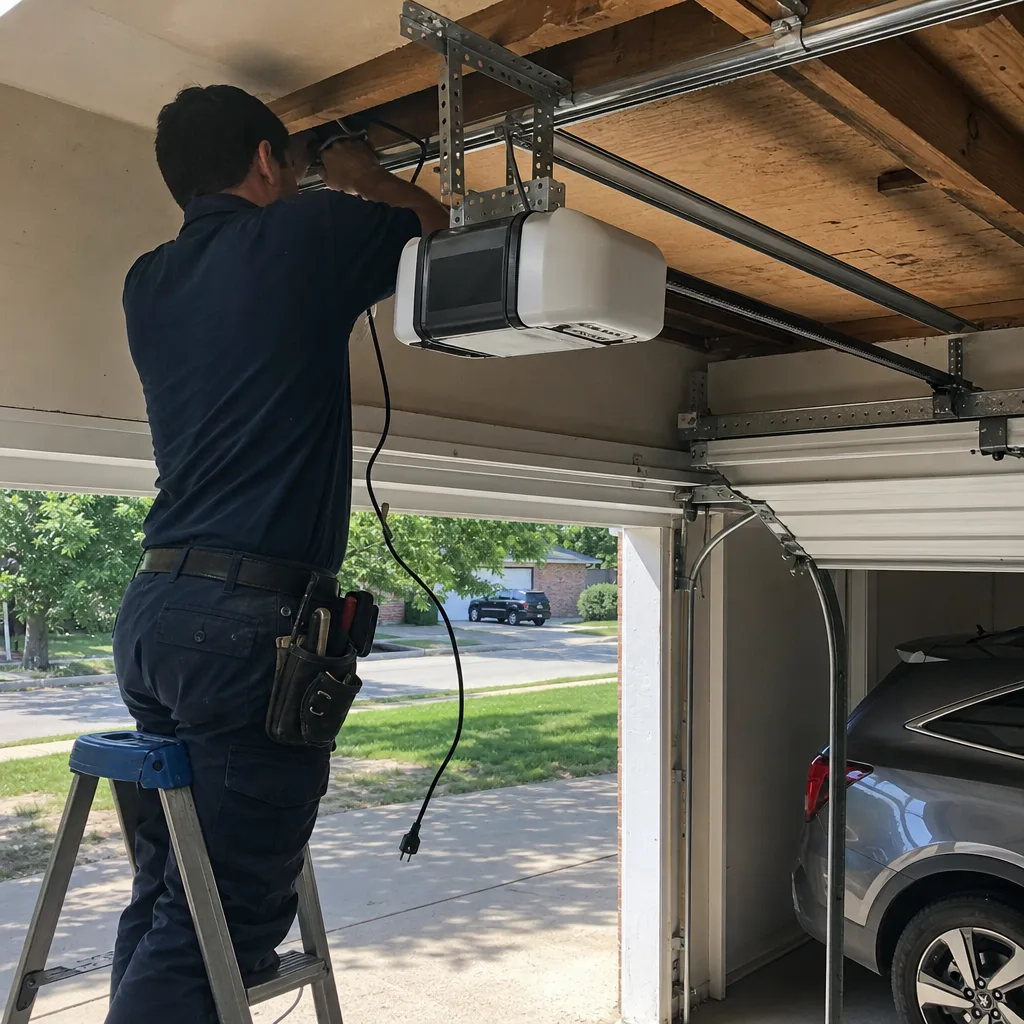
Last updated November 23, 2026
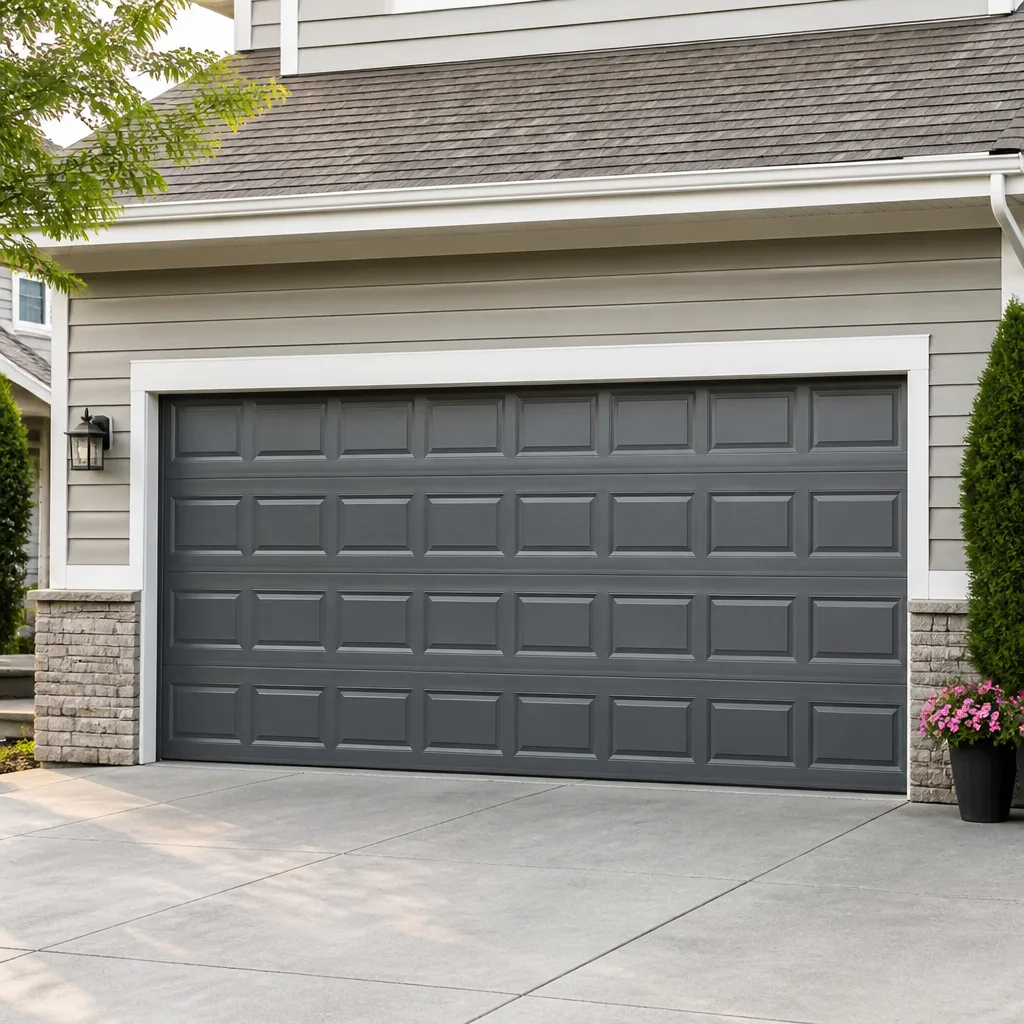 Raised-panel steel
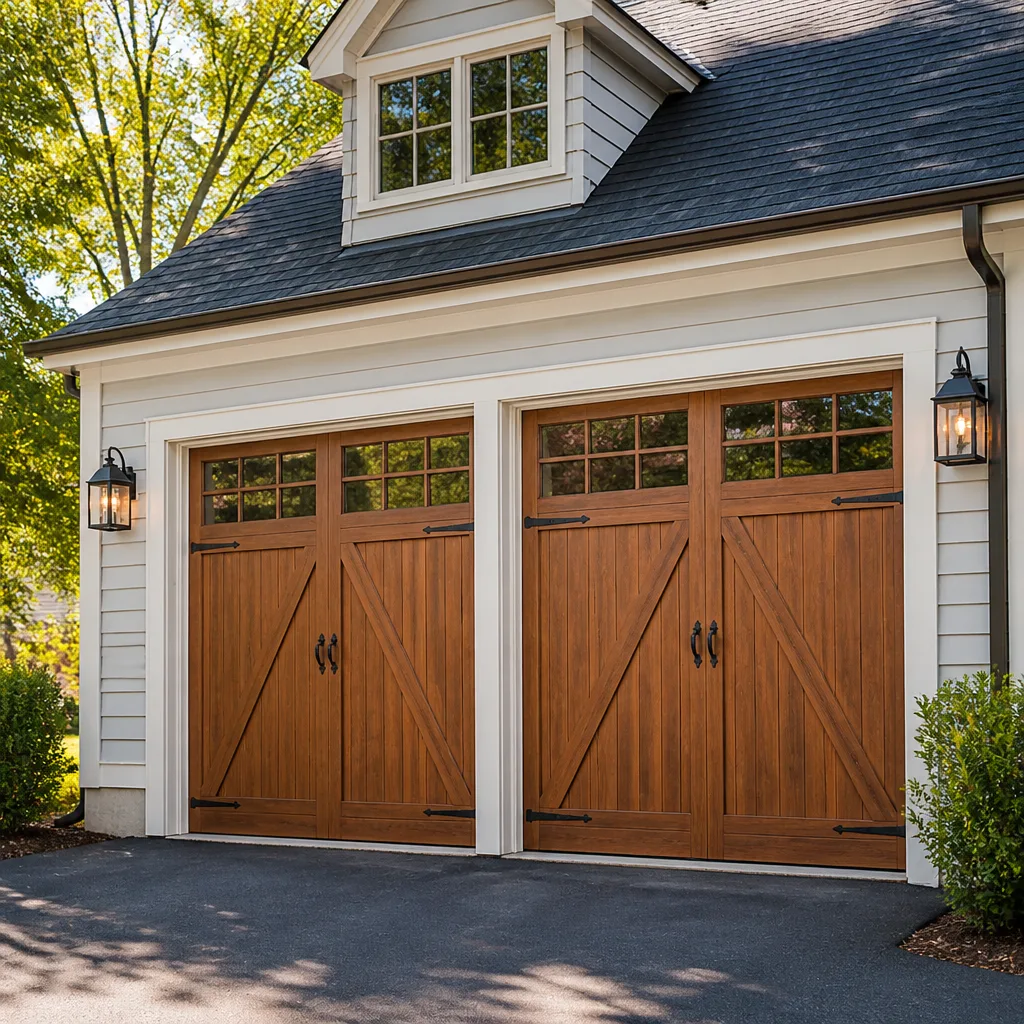 Carriage house
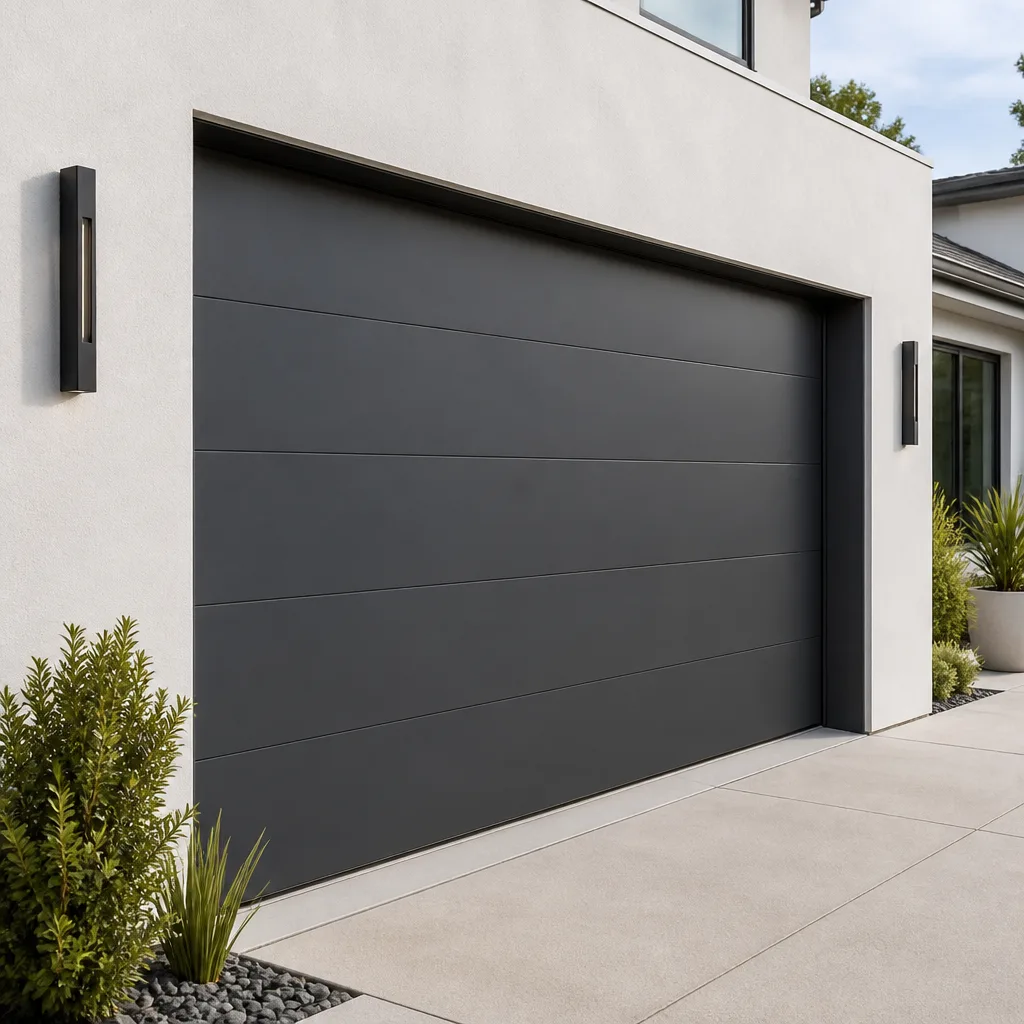 Modern flush
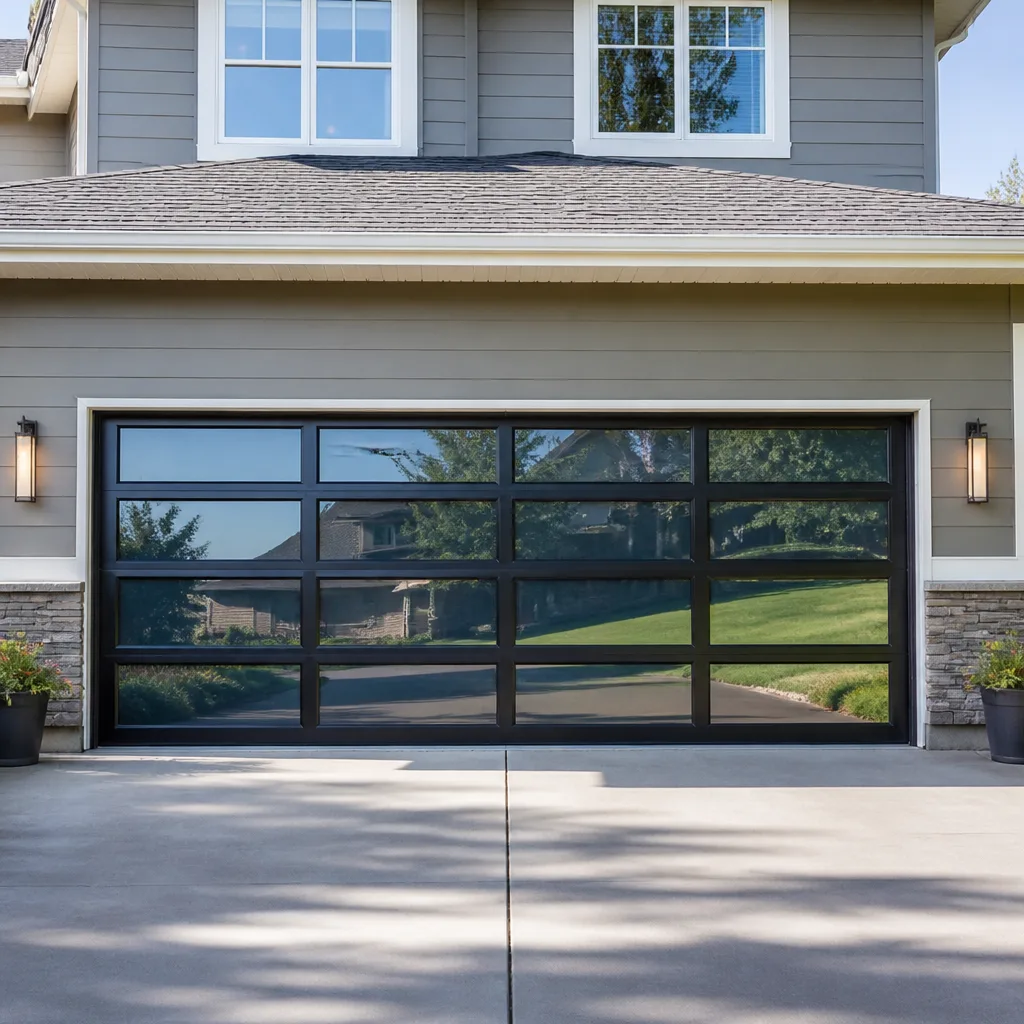 Full-view glass
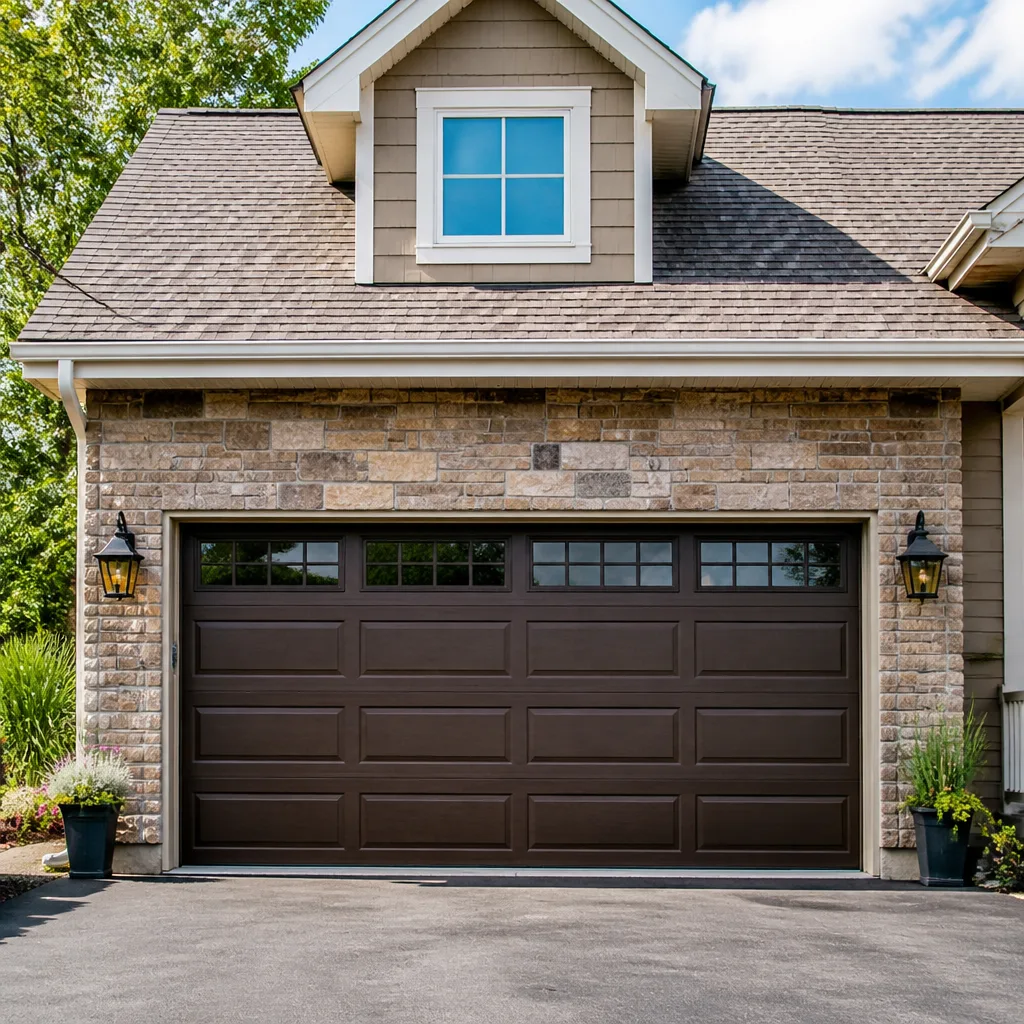 LiftMaster openers
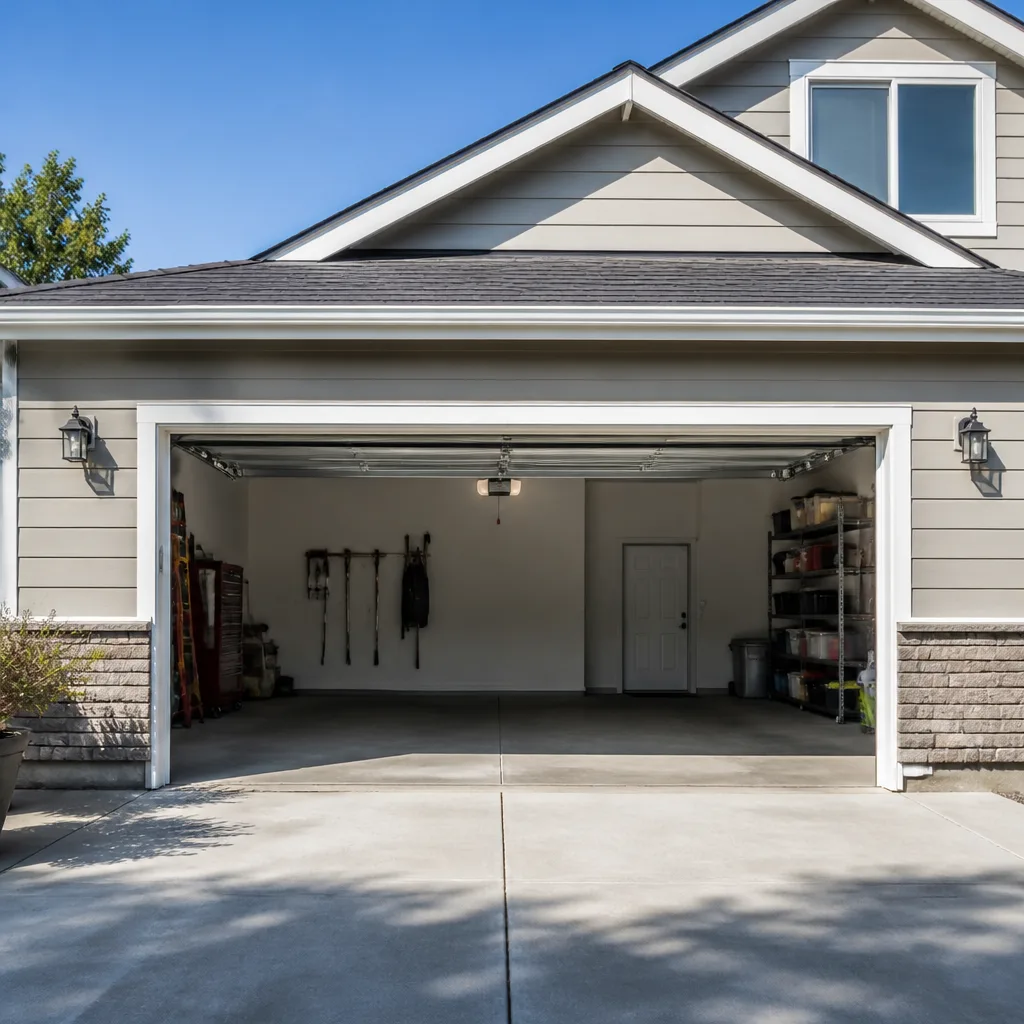 Chamberlain openers
Full 25-point door and opener safety check with every visit - springs, cables, rollers, tracks, and your LiftMaster or Chamberlain opener included
You get a price before we start. It does not change when the pro arrives.
Get your free estimateHow to Hire a Garage Door Contractor in Bethesda: A Step-by-Step Guide
Any contractor can tighten a hinge. The question you should be asking before hiring anyone in Bethesda is: “Can you show me your spring tension calculation for my door weight?” Most general handymen can’t answer it, and that silence tells you everything. A garage door is the largest moving object in your house, a torsion spring stores enough energy to injure someone badly, and the difference between a specialist and a generalist with a truck rarely shows on a Google listing. It shows the moment a job involves a spring replacement or motor head alignment. This guide gives you the exact questions to ask, the Maryland licensing steps to verify, and the red flags that separate a real garage door contractor in Bethesda from a handyman who’ll figure it out on-site.
Quick Answer
To hire a garage door contractor in Bethesda, verify the company’s Maryland Home Improvement Commission (MHIC) license online, ask for a written estimate that lists door weight, spring specifications and cycle rating, and confirm the technician has brand-specific experience with your door or opener (Clopay, Amarr, LiftMaster, Chamberlain and similar). A legitimate contractor answers all three without hesitation, quotes a firm price before work starts, and demonstrates real spring knowledge rather than generic reassurance. Call (855) 550-7581 if you’d like a free estimate from our team.
Styles & brands we work with
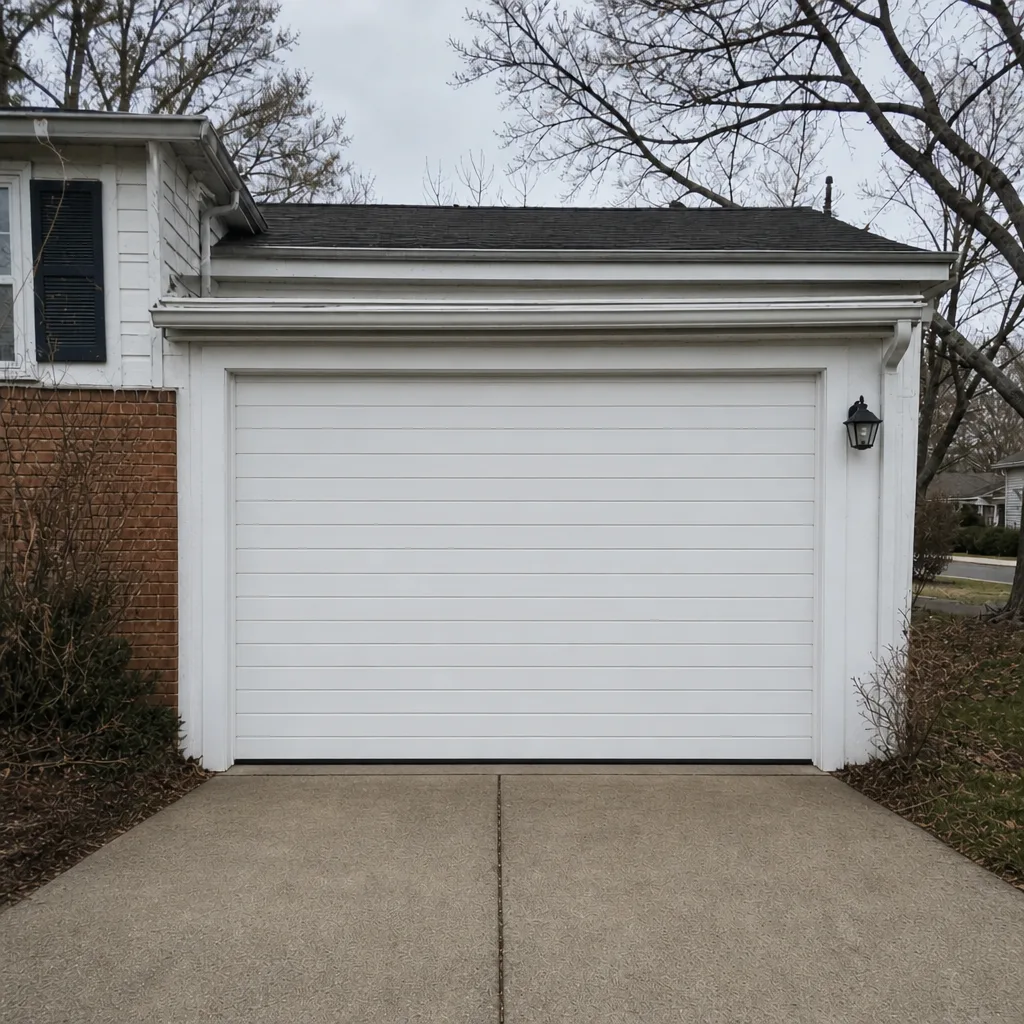
- Raised-panel steel
- Carriage house
- Modern flush
- Full-view glass
- LiftMaster openers
- Chamberlain openers
Table of Contents
- Step 1: Verify Maryland Home Improvement Commission Licensing
- Step 2: Tell a Garage Door Specialist From a Handyman
- Step 3: What a Legitimate Written Estimate Must Include
- Step 4: Judge Spring Work by the Tension Conversation
- Step 5: Confirm Brand Experience With Your Actual Equipment
- Step 6: Run the Callback Test
- Step 7: Recognize the Red Flags in a Garage Door Quote
- Common Mistakes to Avoid
- When to Call a Professional
- Frequently Asked Questions
Step 1: Verify Maryland Home Improvement Commission Licensing
Maryland requires anyone doing home improvement work, including garage door installation and repair, to hold a valid license through the Maryland Home Improvement Commission (MHIC). This is a real, checkable fact, not a marketing line. You can look up any contractor’s license status on the state’s MHIC database before you let them touch your door. It takes about two minutes and it filters out most of the problems.
Here’s what that lookup tells you:
- Whether the license is active. A lapsed or suspended license means the contractor shouldn’t be doing the work at all.
- Whether complaints are on record. The database shows certain complaint history, which is a useful honesty check.
- Whether the name matches. The company on the quote should match the name on the license. If it doesn’t, ask why.
In Bethesda’s competitive home services market, plenty of outfits advertise garage door work without holding the proper credentials. Some are legitimate subcontractors, but you should always know which company is actually responsible. Ask directly: “Are you licensed and insured as Maryland requires, and can you give me the license name to look up?” A professional answers without flinching. A handyman changes the subject or says “we’re covered.”
When we connect you with a local pro, we make sure that pro is licensed and insured as their state requires. That’s the baseline, not a bonus. If you’re already troubleshooting a specific failure, our page on garage door repair walks through common symptoms and what they usually mean.
Step 2: Tell a Garage Door Specialist From a Handyman
A garage door specialist does garage doors all day. A handyman does a bit of everything and treats your door as one more item on a long list. On a simple job, the difference may not matter. On springs, openers, and frame alignment, it matters a lot.
Ask a few targeted questions and listen for specifics. A specialist will:
- Identify your door type from a description or photo. Sectional, carriage-house, tilt-up, single or double bay.
- Name your opener brand without checking a manual on-site. LiftMaster, Chamberlain, Genie and Craftsman are the common ones in Bethesda garages; specialists work on all of them, including older units.
- Know spring types. Torsion (mounted on a bar above the door) versus extension (alongside the tracks). These demand different tools and different safety precautions.
- Talk about cycle ratings and door weight. Not just “I’ll swap the spring.”
What you’re listening for is fluency. The technician who explains a torsion spring’s tension relationship to door weight in plain language is the one who does this work every week. The technician who asks you to describe the manual is learning on your door.
The safety reality matters here too. A torsion spring can store enough force to cause serious injury if it releases unexpectedly. That’s exactly why general contractors routinely decline spring work and refer it out. If someone is eager to handle a snap without asking what your spring specs are, that’s a warning, not reassurance. Our garage door spring repair is handled by technicians who treat high-tension work as the specialty it is.
Step 3: What a Legitimate Written Estimate Must Include
A vague line item like “spring repair – $XXX” is not an estimate. It’s a guess wrapped in a promise. A proper written estimate for garage door work names the parts and specs so you can compare apples to apples.
Here’s what a legitimate estimate should spell out:
- Door weight. Springs are matched to the weight of your specific door. A good estimate references it or explains how it will be measured.
- Spring specifications. Type (torsion or extension), wire gauge, and cycle rating. This is the number that determines service life.
- Cycle rating. A 100,000-cycle spring is a different product than a 10,000-cycle spring. The estimate should state which you’re getting.
- Part brand where applicable. Clopay, Amarr, Wayne Dalton and other brand-specific components cost differently than generic substitutes.
- Labor and disposal. Are old parts hauled away? Is the price fixed or hourly?
- A firm total, in writing. Not “starting at.” A number you can hold them to before work starts.
Ask for the estimate in writing and read the specs, not just the dollar figure. In Bethesda, where the housing stock ranges from mid-century homes near downtown to newer builds with larger doors, the exact door weight and opener model vary enough that a cookie-cutter quote is a red flag on its own.
The price you agree to is the price you pay. If the estimate is written well, there shouldn’t be a surprise invoice at the end. If your opener is the source of the problem, our guide to garage door opener repair covers what that job usually involves.
Step 4: Judge Spring Work by the Tension Conversation
Spring replacement is the job that separates specialists from everyone else. It carries real injury risk. Torsion springs sit under heavy tension on a bar above the door; extension springs stretch along the tracks. When either fails, the release can be violent. There’s a reason competent general contractors won’t touch it.
So the conversation you have about springs should sound like a conversation between professionals. Ask:
- “What’s my door’s weight and how does that determine the spring?”
- “Are you using 100,000-cycle springs or something else?”
- “Will you replace one spring or the matched pair?”
- “How do you safely release and re-tension the springs?”
Be wary if the response is “I’ll just get the same spring.” A serious technician measures, calculates, and matches. If they can’t tell you roughly what your spring tension should be for your door weight, they’re guessing. And springs are exactly the wrong place to guess.
Replacing a spring pair together is standard when both are the same age because a matched set balanced to your door’s weight keeps the opener from fighting uneven tension. A single spring swap on a door where both were worn is a shortcut that comes back. Ask which approach you’re getting and why. Call (855) 550-7581 for an exact quote on spring work; estimates are free.
Step 5: Confirm Brand Experience With Your Actual Equipment
Your garage already has a brand, and it may not match the one on the contractor’s truck. A specialist works on what you have, not what they stock. That’s a relief once you understand it, because it means your options aren’t limited to one manufacturer.
We work on eight of the most widely installed brands: LiftMaster, Chamberlain, Genie, Clopay, Amarr, Wayne Dalton, Craftsman, and Raynor. Ask your potential contractor which brands they’re comfortable with. A real specialist can name specific models and typical issues. For example:
- Clopay and Amarr doors are common in newer Bethesda construction; knowing their section and hardware patterns helps with fit.
- Wayne Dalton doors sometimes use unique torch-down hardware and specific track profiles.
- Craftsman openers are legacy units still in many garages and often need a technician familiar with older logic boards.
If a contractor’s answer is “we do all brands” without any detail, push further: “Which openers do you repair most often, and what’s the head alignment issue on mine?” Specificity is expertise. Our technicians have up to 12 years of experience across these systems.
Step 6: Run the Callback Test
Real emergency coverage shows up when you actually need it. The simplest way to check: call the company after 6pm and see whether you reach a technician or a voicemail box. Emergency garage door service means someone picks up when a door is stuck open overnight (a security problem) or stuck closed with a car inside (a scheduling problem).
Here’s how to run the test cleanly:
- Call after 6pm on a weekday. Note whether you reach a person or a recorded message.
- Ask a specific question. “My torsion spring snapped; can someone come out today?” Listen for a real answer, not “we’ll get back to you.”
- Watch the response time. A working emergency line reaches someone within a reasonable window. A dead line doesn’t.
- Check the follow-through. If they promise a callback, note whether it comes.
Emergency availability is a genuine differentiator in this niche because it requires real scheduling and staffing. A company that simply forwards you to a voicemail at night has no emergency service, whatever the website says. We offer emergency garage door service for failures that can’t wait, and we’re honest about what that covers.
If your door is stuck right now, call (855) 550-7581 and we’ll book you as soon as we can. Our team’s main page is at Bethesda Garage Door Repair Co if you want to start with services and coverage.
Step 7: Recognize the Red Flags in a Garage Door Quote
Garage door quotes follow some predictable patterns, and the biggest red flag is price that’s too good. A spring quoted well below the typical range usually means an off-brand spring with a 10,000-cycle rating instead of the 100,000-cycle rating you want. That’s a part that fails in a fraction of the time.
Watch for these:
- Unusually low spring prices. If it’s far under what you’d expect, ask what cycle rating the spring carries. That question often ends the conversation.
- No written estimate. Verbal quotes change once the truck arrives.
- Pressure to decide on the spot. “This price is today only” is a sales tactic, not a diagnosis.
- No brand familiarity. Vague answers about your specific door or opener brand.
- No spring specs on the invoice. If cycle rating and door weight aren’t listed, you can’t compare.
- Reluctance to explain the tension. A specialist isn’t shy about how springs work.
In Bethesda’s market, with so many homes and a steady demand for garage work, there are good contractors and there are opportunists. The quote tells you which is which if you read past the total.
Common Mistakes to Avoid
- Hiring on price alone. The cheapest spring quote almost always means a shorter-lived spring. Pay for the cycle rating, not just the number.
- Skipping the MHIC lookup. Verifying the license online takes two minutes and rules out contractors who shouldn’t be doing the work in Maryland.
- Accepting a verbal quote. Get it in writing, with door weight and spring specs listed. A firm written price is your protection before work starts.
- Letting a handyman handle springs. High-tension work is a specialty. General contractors routinely decline it for good reason; don’t hand it to whoever’s available.
- Not matching the spring pair. Replacing one worn spring when both are the same age leaves the door unbalanced. Ask about a matched pair.
- Ignoring opener brand. A LiftMaster or Chamberlain unit and an older Craftsman need different handling. A technician who recognizes your opener saves you time and frustration.
- Assuming “all brands” means experienced. Push for specifics on your door model, brand, and spring type before you commit.
When to Call a Professional
Some garage door issues genuinely can’t wait. A door stuck open overnight leaves your home open to anyone walking by in Bethesda. A door stuck closed traps your car and your family’s schedule. A loud snap followed by a dead door usually means a broken spring, and that’s a job to hand to a specialist immediately. Same goes for an opener that cycles without lifting, a door that comes off its track, or anything that makes the door drop fast. Don’t try to release a torsion spring yourself; the tension can cause serious injury. For everything else, a scheduled repair is fine. Bethesda Garage Door Repair Co offers free estimates in Bethesda, and we can work with your insurer where needed. Call (855) 550-7581 to book or to ask a question.
Frequently Asked Questions
Look up the contractor on the Maryland Home Improvement Commission (MHIC) database online before hiring. Confirm the license is active, the name on the quote matches the license, and any complaint history is acceptable to you. Ask the contractor for the exact license name so you can check it. Call (855) 550-7581 if you’d like to start with a free estimate instead; we’ll connect you with a licensed and insured local pro.
Spring prices depend on the spring type, cycle rating, and whether you replace one spring or a matched pair, so any contractor should quote after measuring your door. A pair usually costs more than a single spring because both are replaced together. Get a written estimate that names the cycle rating and door weight. Call (855) 550-7581 for an exact quote; estimates are free.
Same-day service is realistic for repair and emergency calls, not for installation or full replacement, which needs measuring, ordering and scheduling. If your door is stuck open or closed, call and we’ll book you as soon as we can. Call (855) 550-7581 and tell us what happened.
No, the written estimate is the price. We quote and agree the price with you before any work starts, and a legitimate written estimate lists the door weight, spring specs, and cycle rating so nothing changes once the technician arrives. If the job turns out to be different than described, ask for an updated written quote before work begins. Call (855) 550-7581 to get an estimate.
Yes; the local pro we connect you with is licensed and insured as their state requires. You can verify the MHIC license on the state database, and we recommend you do so for any contractor you hire in Bethesda. Call (855) 550-7581 with questions about credentials before booking.
Torsion and extension springs store enormous energy under tension, and releasing them incorrectly can cause serious injury. Many general contractors decline this work because it requires specific tools, training and safety procedures. That’s why spring replacement is a specialized service, and why you should only hire a technician experienced with high-tension systems. Call (855) 550-7581 for spring work handled by specialists.
The Bottom Line
Hiring a garage door contractor in Bethesda comes down to verification, not reputation. Check the MHIC license online, ask the tension question that separates specialists from handymen, and insist on a written estimate that lists door weight, spring specs and cycle rating. Run the after-6pm callback test to confirm real emergency coverage. Watch for low spring prices attached to low cycle ratings. Whether you need a LiftMaster opener repaired, a Clopay door installed, or a snapped spring fixed tonight, the same discipline applies: know what you’re paying for before work starts.
Bethesda Garage Door Repair Co offers free estimates and can work with your insurer. Call (855) 550-7581 to book, and we’ll connect you with a licensed and insured local pro who knows your brand.
Written by the team at Bethesda Garage Door Repair Co.
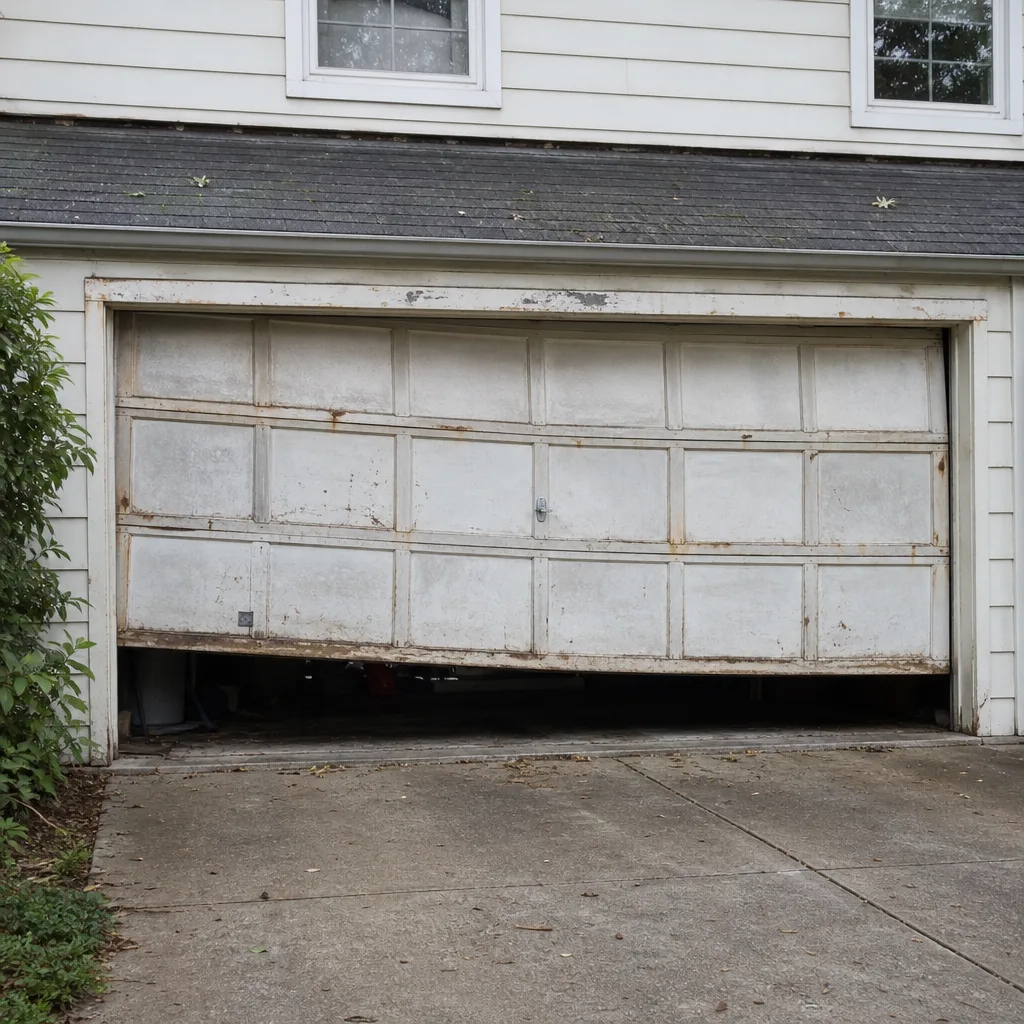
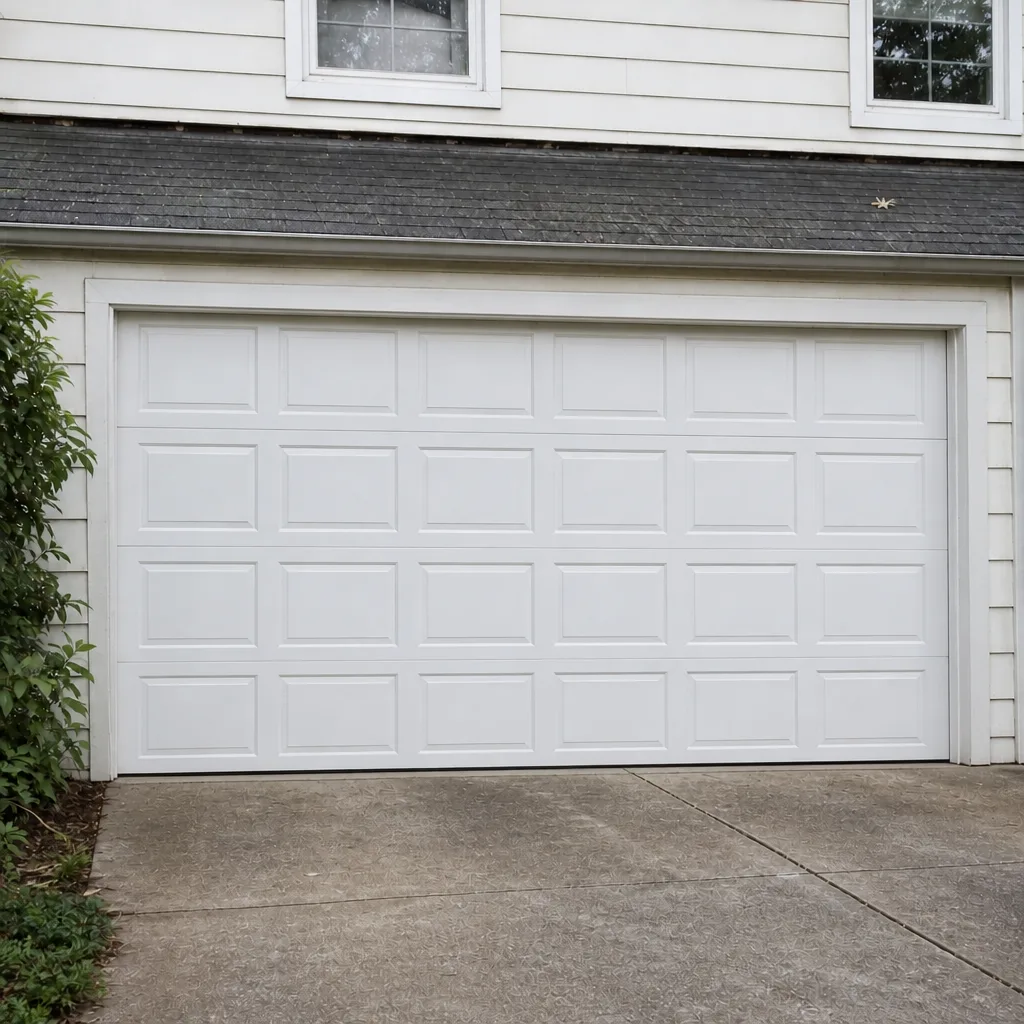
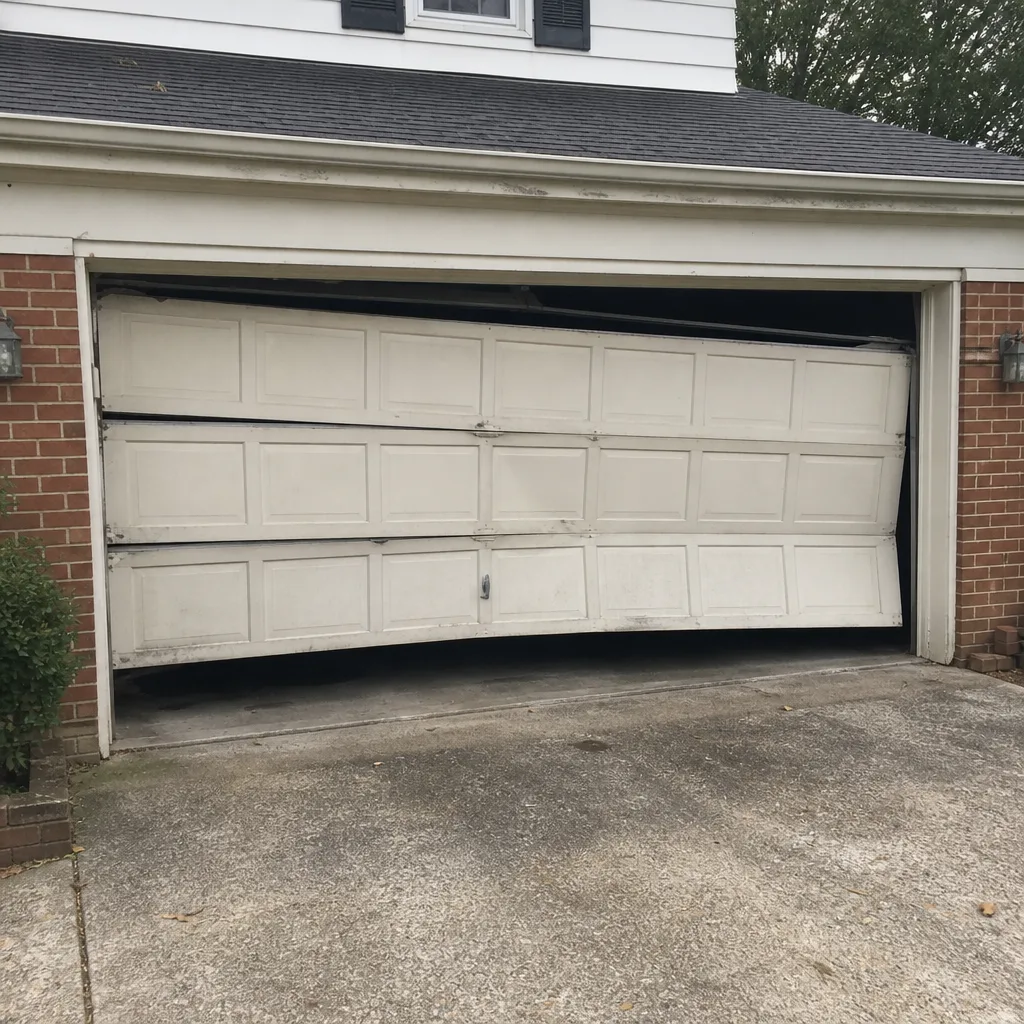
See the difference
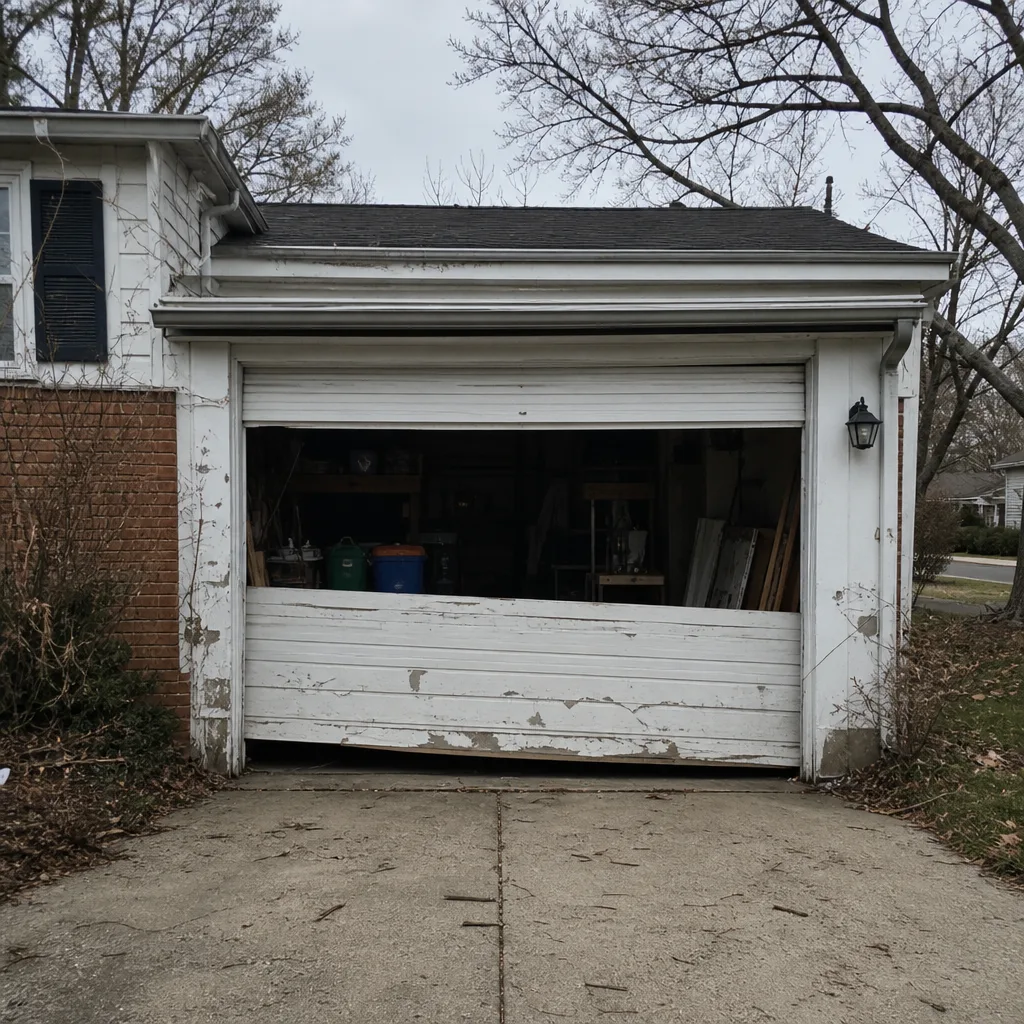 Before
 After
 Before
 After
 Before
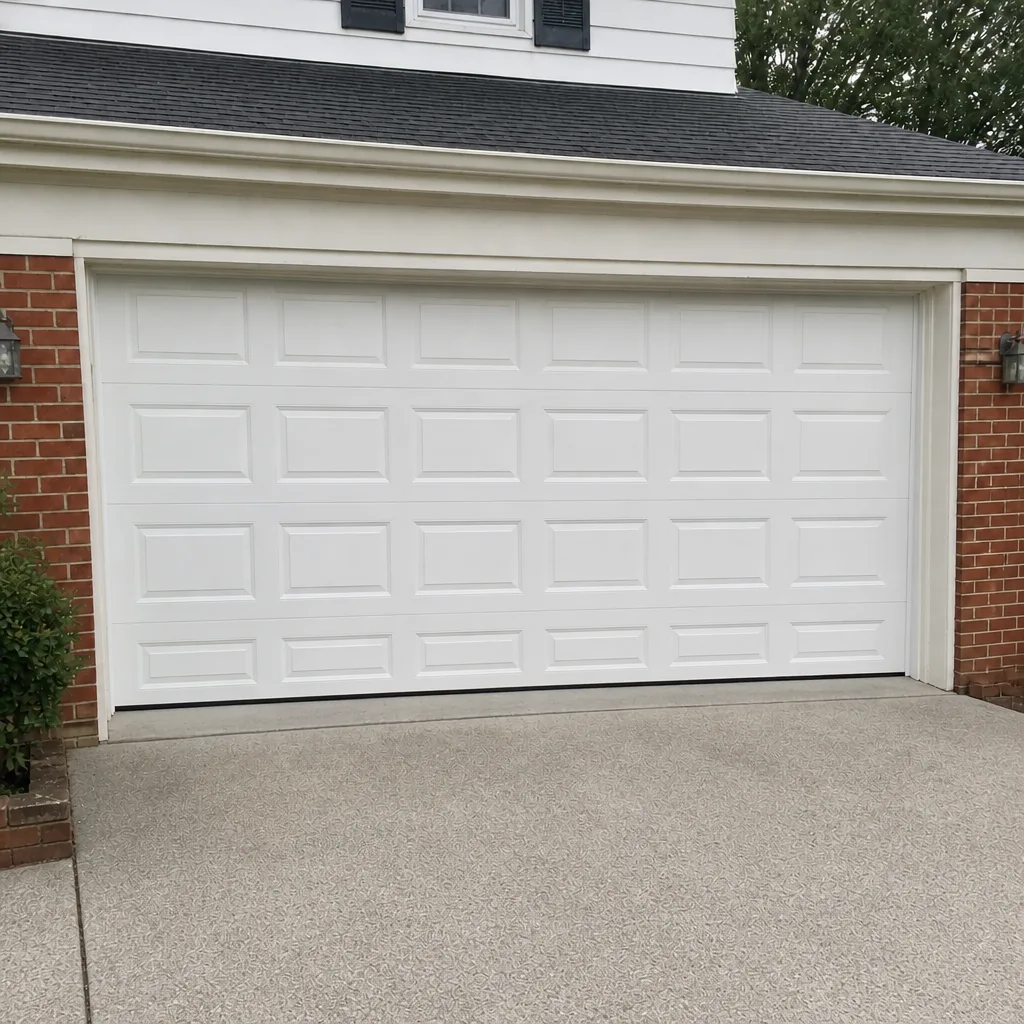 After