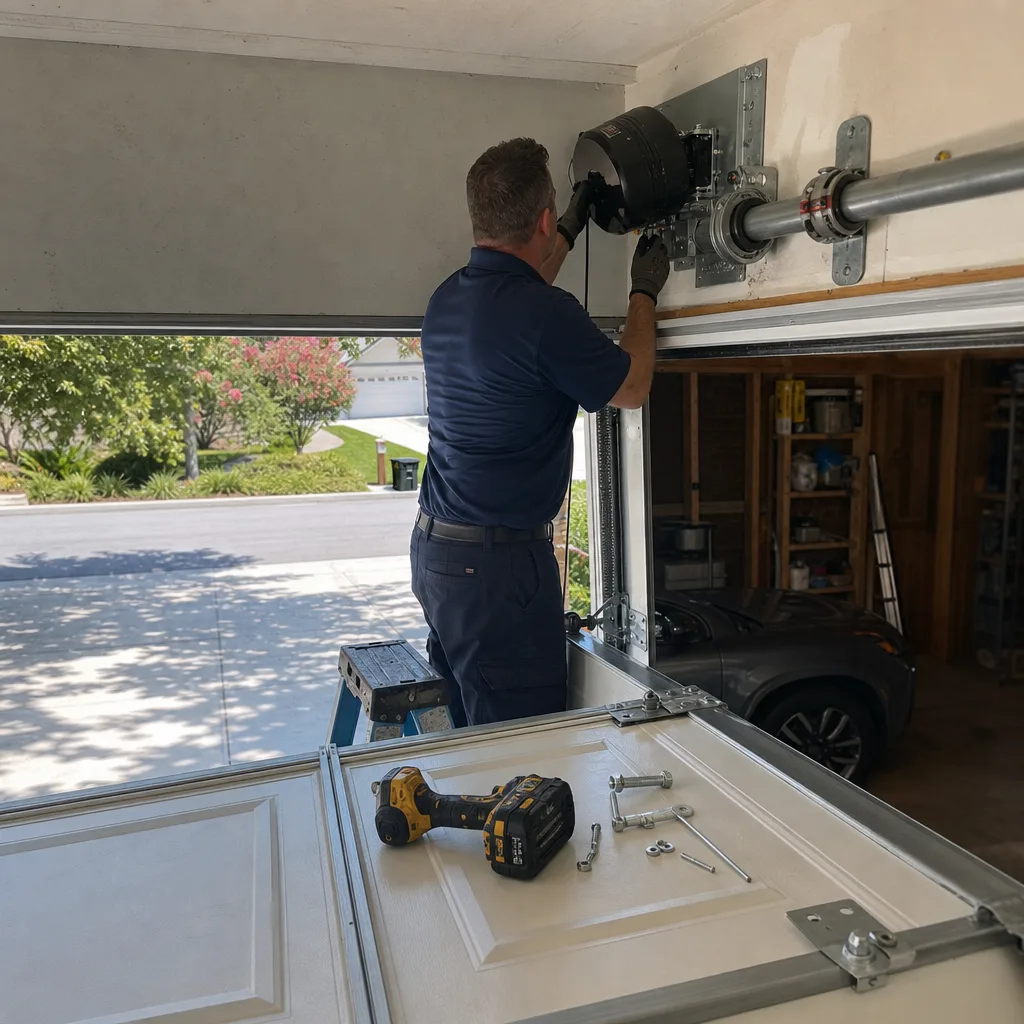
Last updated November 23, 2026
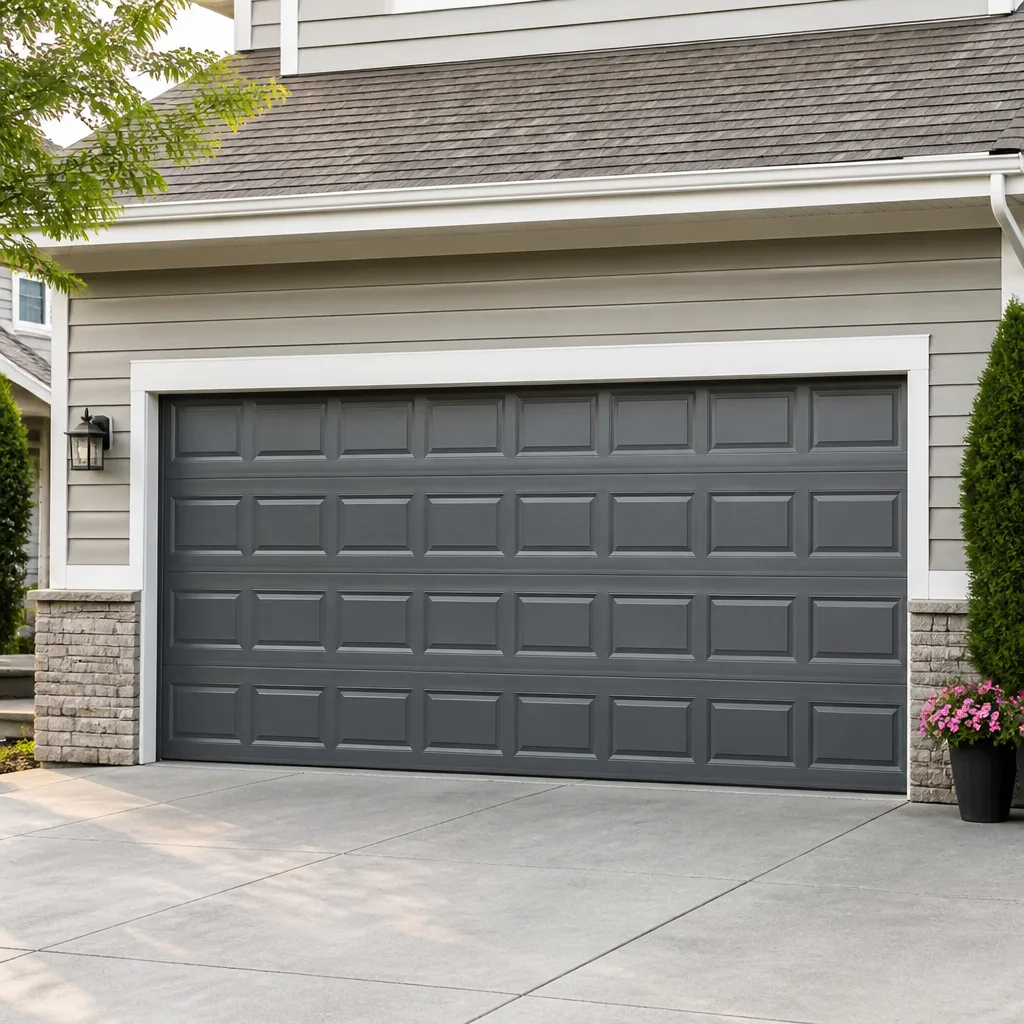 Raised-panel steel
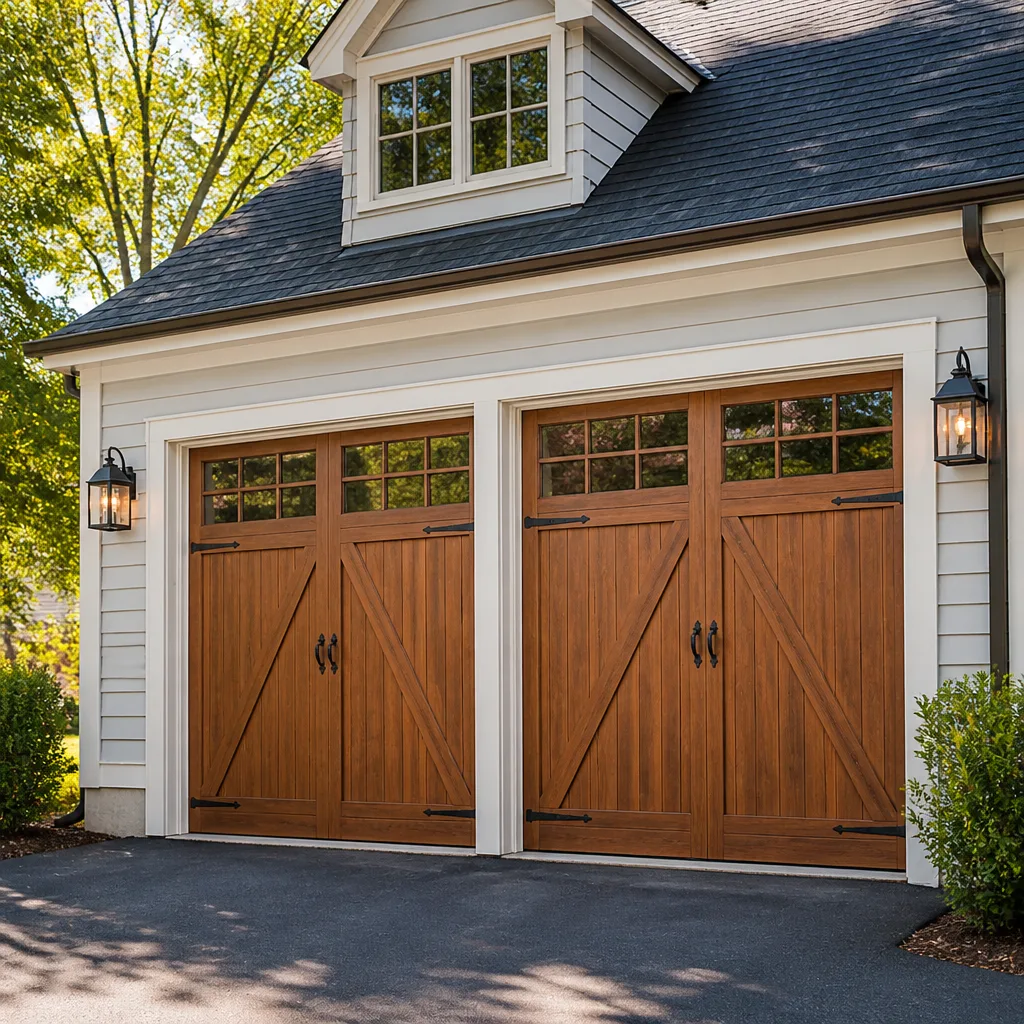 Carriage house
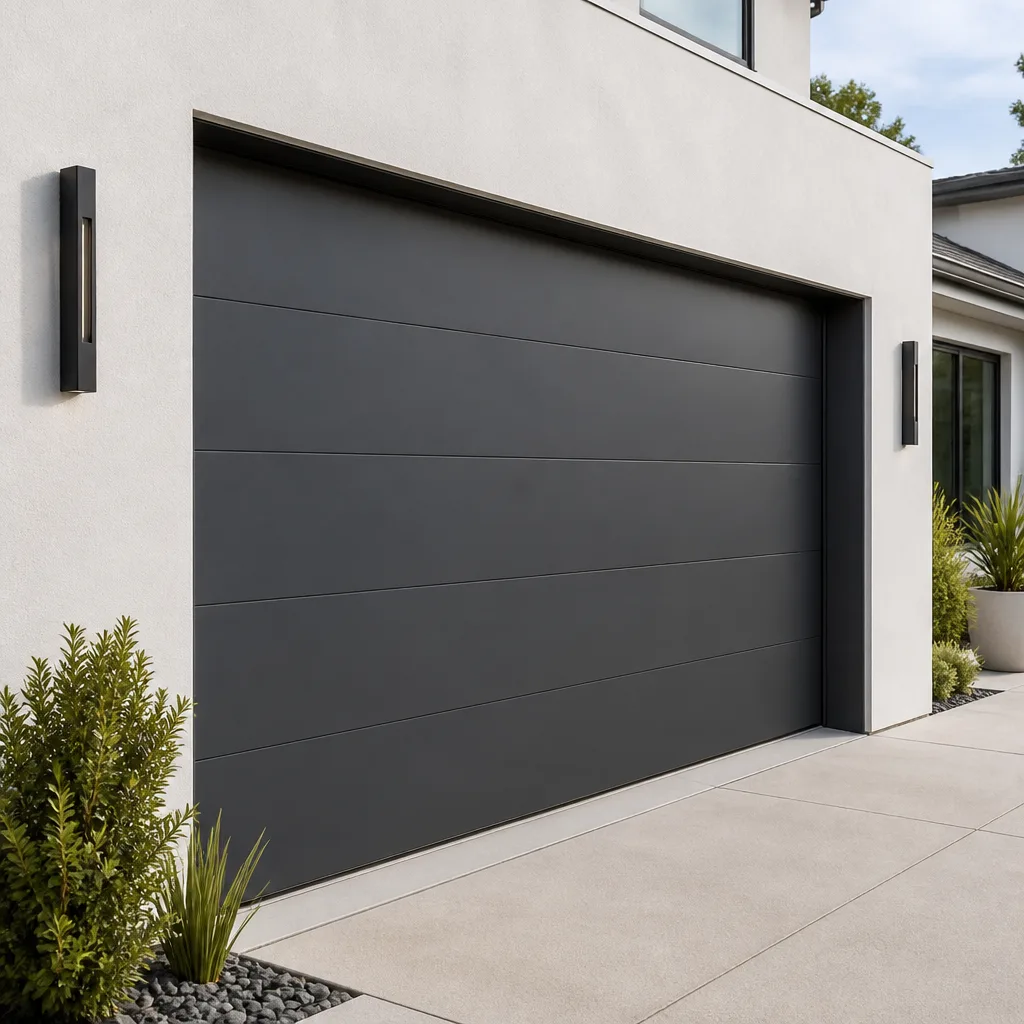 Modern flush
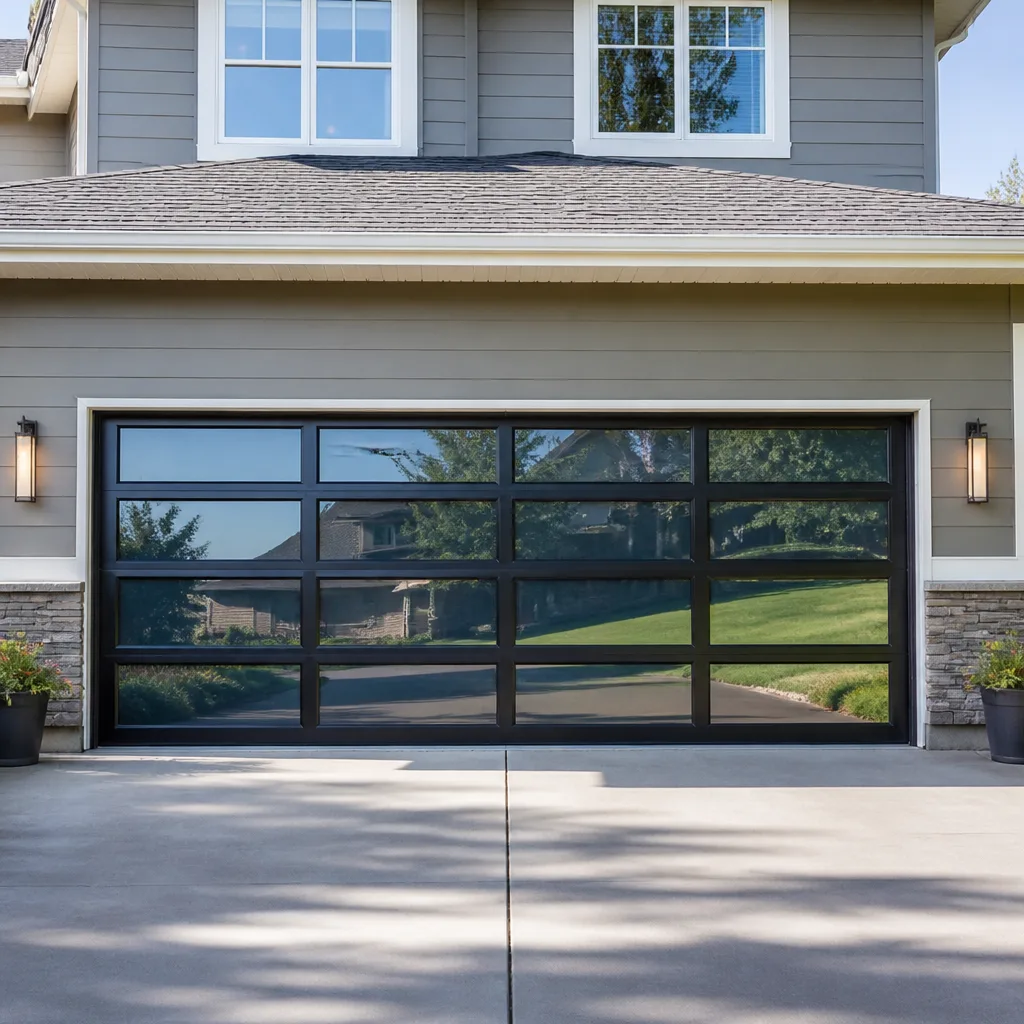 Full-view glass
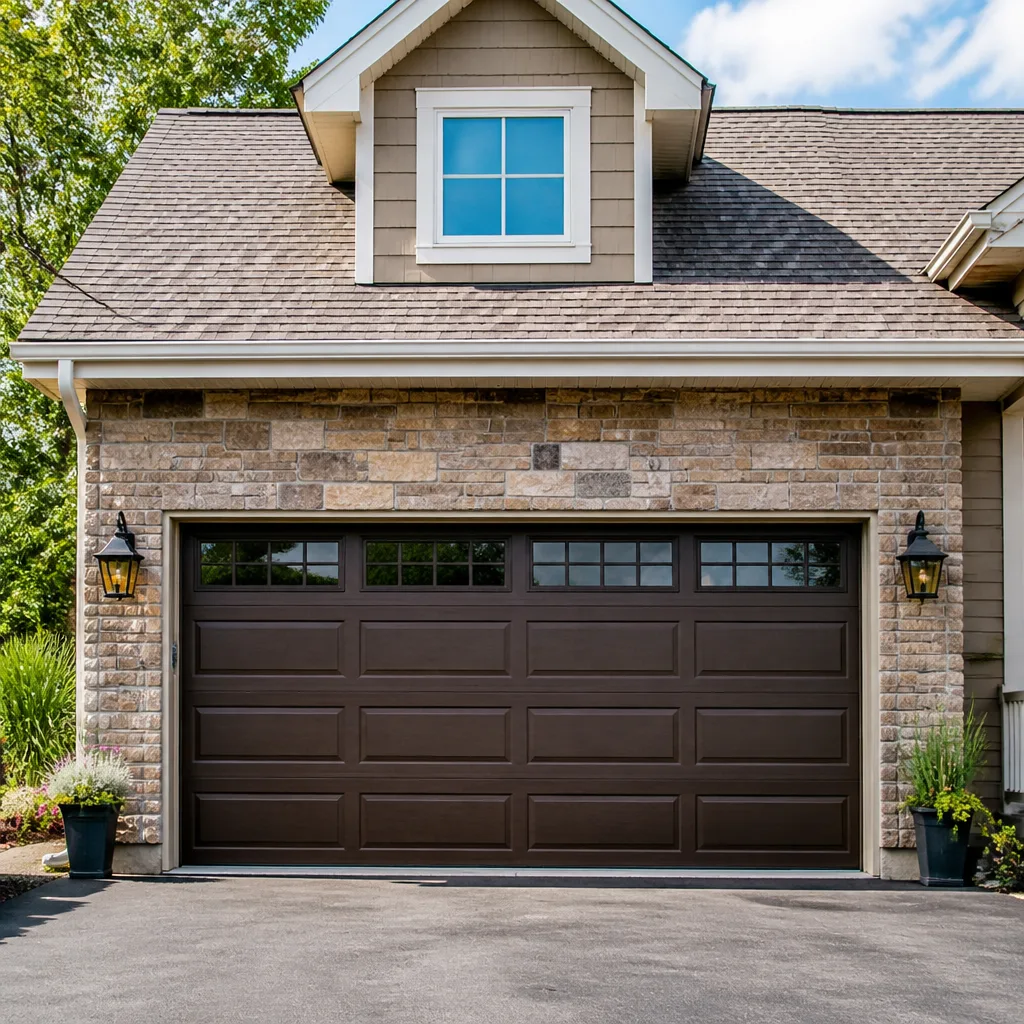 LiftMaster openers
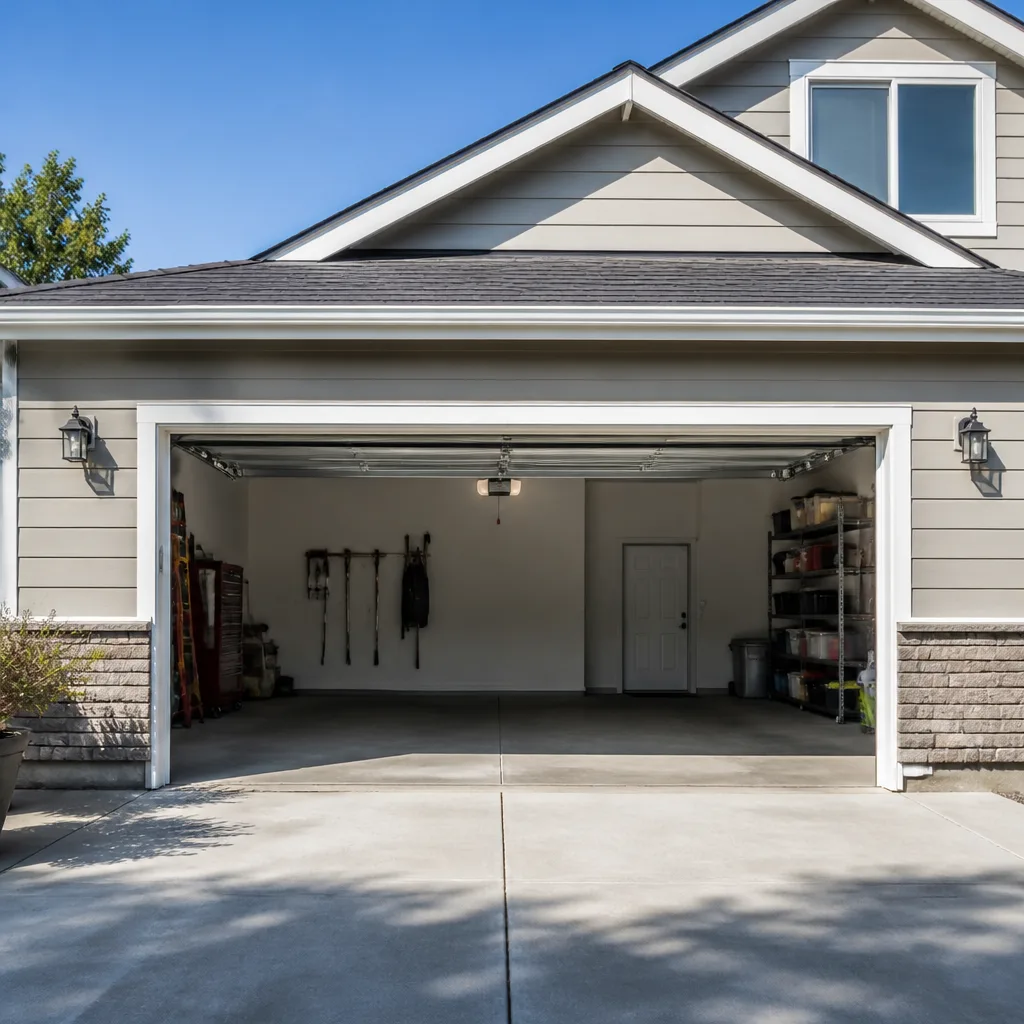 Chamberlain openers
Full 25-point door and opener safety check with every visit - springs, cables, rollers, tracks, and your LiftMaster or Chamberlain opener included
You get a price before we start. It does not change when the pro arrives.
Get your free estimateThe Complete Guide to Garage Doors in Bethesda
The most common mistake we see Bethesda homeowners make when replacing a garage door is ordering to current rough opening dimensions without accounting for the frame rot hiding behind the trim on homes built before 1990. The door measures correctly at the opening, the new one arrives, and the installation crew finds soft wood behind the casing that nobody accounted for. Almost every garage door problem in Bethesda traces back to the era of the house as much as the door itself. Mid-century colonials wear their hardware differently than 1980s brick ramblers or a newer build off Wilson Lane. This guide maps the door types, opener systems, and failure patterns that show up most across Bethesda zip codes, so you can figure out what you’re actually dealing with before anyone touches a wrench.
Quick Answer
Garage door work in Bethesda falls into a few predictable buckets shaped by housing age: 1960s to 1990s homes most often need torsion or extension spring replacement, track realignment, and opener service, while newer homes lean toward smart opener upgrades and full door replacement. A typical spring repair runs $180 to $340 for a single spring or roughly double for a matched pair, and a full door installation depends on size, material, and insulation. The written estimate you receive sets the final price.
Styles & brands we work with
- Raised-panel steel
- Carriage house
- Modern flush
- Full-view glass
- LiftMaster openers
- Chamberlain openers
Table of Contents
- How Bethesda’s Housing Stock Shapes Your Garage Door
- Which Spring and Track Systems Show Up Most in Bethesda
- Single-Car vs. Double-Car Doors in Attached Garages
- The Opener Brands You’ll Find in Bethesda Garages
- Why Humidity Swings Hit Wood and Steel Doors Differently
- How to Read a Door’s Nameplate
- Common Mistakes to Avoid
- When to Call a Professional
How Bethesda’s Housing Stock Shapes Your Garage Door
Bethesda is not a uniform suburb. Walk a few blocks and you move through distinct eras of construction, and each era brought its own garage door philosophy. That history is the single biggest factor in what a technician finds when the door comes apart.
Here’s the rough breakdown you’ll encounter:
- 1960s and 1970s colonials and split-levels: single-car attached garages, often with extension springs on tracks that have taken decades of load. Original wood doors are common and frequently show rot at the bottom rail.
- 1980s brick ramblers: heavier doors, more double-car configurations, and a mix of torsion and extension springs depending on the builder. Brick exteriors mean the garage opening is unforgiving: any track shift shows up fast as a binding door.
- 1990s and early 2000s builds: steel doors dominate, insulation became standard, and the first generation of screw-drive and belt-drive openers went in. Many of those openers are still hanging from the ceiling.
- Newer construction: taller openings, higher-lift track, smart openers, and doors that are physically larger and heavier than anything built a generation ago. Load calculations matter more here.
The practical takeaway: before you assume your door needs replacing, figure out which era it belongs to. A 1970s extension-spring setup failing repeatedly often needs a conversion to torsion rather than a new door. A 1990s steel door with a sagging top section usually needs a structural fix, not a cosmetic one. When you do need garage door repair, the era of the home tells the technician what to expect before the first bolt is turned.
Which Spring and Track Systems Show Up Most in Bethesda
Most Bethesda garages fall into two spring systems: torsion and extension. Which one you have is determined almost entirely by when the house was built and whether the door has been converted since.
Extension springs
Older single-car garages from the 1960s through the 1980s often still run extension springs, which stretch alongside the horizontal tracks. They’re simpler and cheaper to replace but they have no built-in safety containment on older installations, and when one lets go it travels. If your door has extension springs and no safety cables running through them, that’s worth addressing on its own.
Torsion springs
Torsion springs sit on a shaft above the door and handle most double-car and heavier installations. They’re quieter, longer-lived, and standard on anything built after roughly the mid-1980s. Most of the spring work we handle involves torsion systems, and matched pairs almost always get replaced together because a single new spring paired with a worn one just shifts the failure forward.
Tracks
Track problems in Bethesda tend to come from settling and from brick garage openings that don’t tolerate misalignment. A hairline track bend that would be harmless on a vinyl-sided opening will bind a door in a brick surround because there’s no give in the frame. Bent tracks get repaired or replaced, never forced straight.
Safety note: both torsion and extension springs are under high tension and can cause serious injury if handled without the right tools and technique. We treat spring replacement as a specialist job for that reason, and we don’t recommend attempting it yourself. Our dedicated garage door spring repair service exists because general contractors routinely decline this work. A single spring typically runs $180 to $340, and a matched pair costs about twice that. Your written estimate sets the final price.
Single-Car vs. Double-Car Doors in Attached Garages
Attached garages are the norm in Bethesda, and that changes the structural demands on the door. A single-car door is lighter and puts less stress on springs and openers, but a double-car door over an attached garage has to balance weight distribution, header load, and clearance in a way that a detached garage never does.
What the differences come down to:
- Weight and spring sizing. A double-car door is roughly twice the weight. Springs are sized to that load, and mismatched springs are one of the most common causes of premature opener failure.
- Header and frame integrity. On attached garages the door opening is cut into the house structure. Frame rot behind the trim, common on pre-1990 homes, weakens the anchor points that hold the track.
- Clearance and lift. Double doors on newer builds often use high-lift track to clear storage or a taller ceiling. Retrofitting a taller door onto old low-clearance track doesn’t work without a track change.
- Insulation. On an attached garage the door is part of the thermal envelope. An uninsulated door on a Bethesda attached garage costs you on heating and cooling every month.
- Opener rating. A double-car door needs an opener rated for the door’s actual weight. The catalog rating on the box and the real door weight are not always the same thing.
Before ordering any replacement door, have the rough opening measured properly and the frame inspected. That’s the step that turns a straightforward installation into a repair-and-install job, and it’s better to know before the door is built.
The Opener Brands You’ll Find in Bethesda Garages
Opener brand tells you a lot about service history. Bethesda garages are dominated by a handful of names, and each fails in its own characteristic way.
- LiftMaster: extremely common, especially on 1990s and 2000s builds. Belt and chain drives hold up well; the failures we see most are worn gears, failing logic boards, and safety sensors that drift out of alignment.
- Chamberlain: shares a lot of internal architecture with LiftMaster, so many of the same failure patterns apply. Wi-Fi and myQ-era units are common on newer installs.
- Genie: screw-drive and belt-drive units from the 1990s and 2000s show up frequently. Screw drives get noisy as they age and the carriage wears.
- Craftsman: widely installed through the 1980s and 1990s and still running in plenty of Bethesda garages. Parts support has thinned, so age and model number matter more here.
Older openers are not automatically bad, but they become a problem when a failing logic board can’t be sourced. Our garage door opener repair work covers both legacy systems and current smart-home units, and we’ll tell you straight when a repair no longer makes sense against the cost of a new opener. A free estimate gives you that number before you commit.
Why Humidity Swings Hit Wood and Steel Doors Differently
Bethesda’s humid summers and dry winters put doors through a seasonal cycle that wears them unevenly. Wood and steel respond to that cycle in opposite ways.
Wood doors
Wood absorbs moisture in summer and releases it in winter. The result is swelling and shrinking, which shows up as sticking doors in July and gaps in January. The bottom rail is the first to rot because it sits closest to ground moisture, and on older wood doors the bottom section is often the only part that actually needs replacing. If your pre-1990 home still has its original wood door, check the bottom rail and the frame behind the trim each spring.
Steel doors
Steel doesn’t swell, but it moves with temperature. Panels expand in heat and contract in cold, which stresses the seams and fasteners. The most common steel-door problem we handle is paint failure at the bottom edge, where moisture sits and rust starts from the inside of the hem. Once rust gets into a section joint, patching paint doesn’t fix it; the section usually needs replacing.
Aluminum and composite
Less common in Bethesda but present on newer builds. Both handle humidity swings better than wood or steel, which is why they’re increasingly specified on replacement jobs.
The practical point: what looks like door failure in summer is often seasonal movement. A door that sticks only in high humidity may need track adjustment, not replacement.
How to Read a Door’s Nameplate
Before assuming a 15-year-old door is obsolete, find the nameplate. It tells you the manufacturer, the model, and often the section size, and it determines whether replacement parts are still being made.
- Locate the label. It’s usually on the inside of the bottom or middle section, or stamped into the end stile. Open the door and look along the interior face.
- Record the manufacturer and model number. Brands like Clopay and Amarr keep long parts histories; a model number is often enough to confirm a section or hinge is still in production.
- Check the section size and material. Steel, wood, aluminum, and insulated vs. non-insulated all affect what replacements are available.
- Note the spring and track type. Torsion vs. extension, low-clearance vs. high-lift track, and the size of the springs all matter for any repair.
- Cross-check age. If the model number isn’t current on the manufacturer’s list, parts may be discontinued and a section replacement may not be possible. That’s the point where a full door change becomes the more sensible option.
A door’s nameplate is the difference between a clean repair and a wasted order. When you call for Bethesda Garage Door Repair Co, having that number ready speeds up the diagnosis considerably. We work on Clopay, Amarr, Wayne Dalton, Raynor, and the rest of the eight major brands as everyday work, so a specific model number is something we can act on.
Common Mistakes to Avoid
- Ordering a new door before inspecting the frame. On Bethesda homes built before 1990, frame rot behind the trim is common. It doesn’t show in the rough opening measurement, and it can turn a replacement into a structural repair once the old door is off.
- Replacing one spring of a matched pair. A new spring paired with a worn one just shifts the load and shortens the life of both. Replace the pair.
- Assuming a sticking door needs replacement. Summer humidity swelling on wood doors and track shift on brick openings account for much of what looks like door failure. Adjustment comes first.
- Ignoring the opener rating on heavier doors. A double-car door with an undersized opener wears the drive and the springs faster than the door itself.
- Skipping the nameplate. Ordering parts for a door whose model is out of production wastes time and money. Find the label first.
- Attempting spring replacement yourself. Torsion and extension springs are under high tension and cause serious injury when handled without the right tools. This is the one job to leave alone.
- Buying the cheapest door without checking insulation. On an attached Bethesda garage, an uninsulated door is a permanent hit on home comfort and energy use.
When to Call a Professional
Some garage door problems are genuinely a quick fix: a remote that needs re-pairing, a sensor knocked out of alignment, a track with a small bend. Others are not, and it’s worth being clear about which is which.
Call a professional when a spring has broken or is visibly stretched, when the door binds or comes off the track, when the opener hums or grinds without moving the door, or when the door has become unbalanced and won’t stay level. Also call when a door is stuck open overnight: a stuck door leaves the garage exposed, and a stuck-closed door traps the car inside. Both are cases our emergency service covers. Spring work in particular belongs with a specialist, and a general contractor will often decline it for exactly that reason.
Bethesda Garage Door Repair Co offers free estimates in Bethesda – call (855) 550-7581. Our technicians have up to 12 years of experience, and the written estimate you receive before any work starts sets the final price.
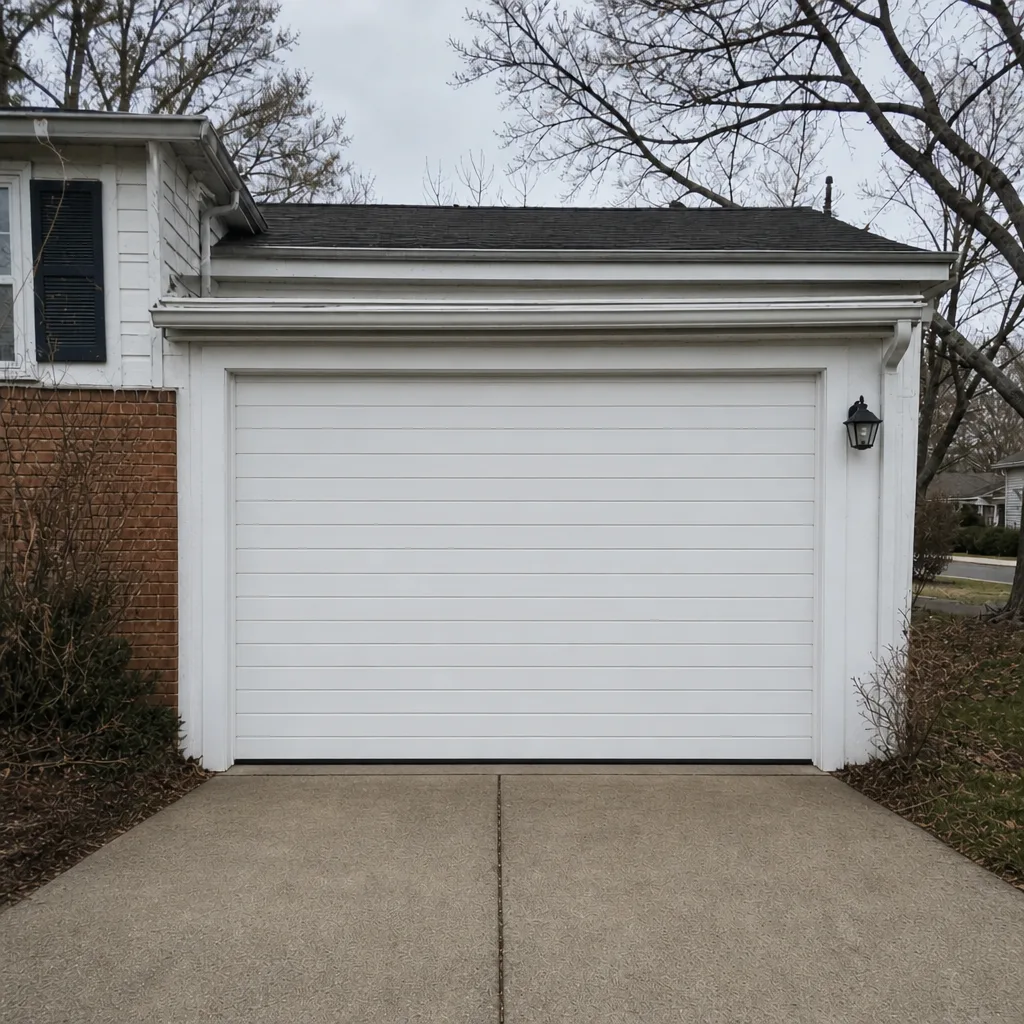
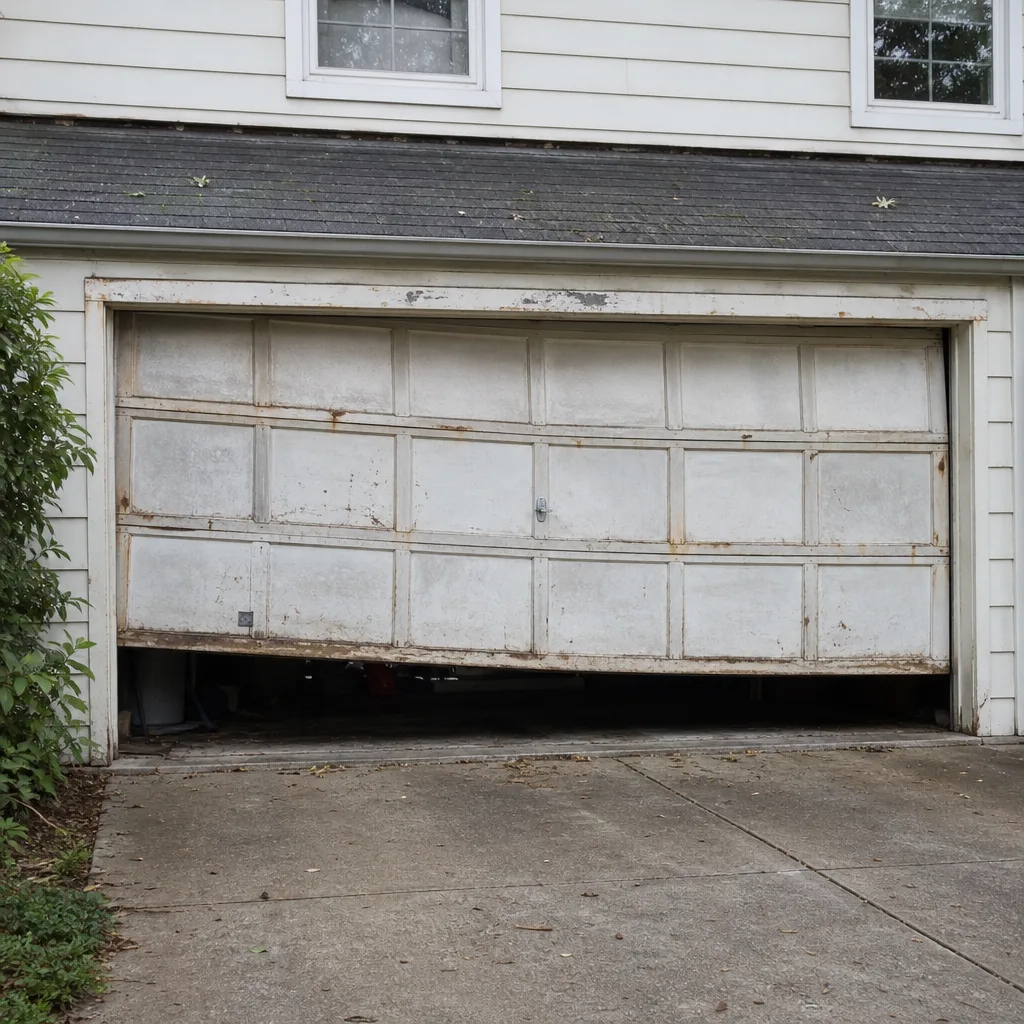
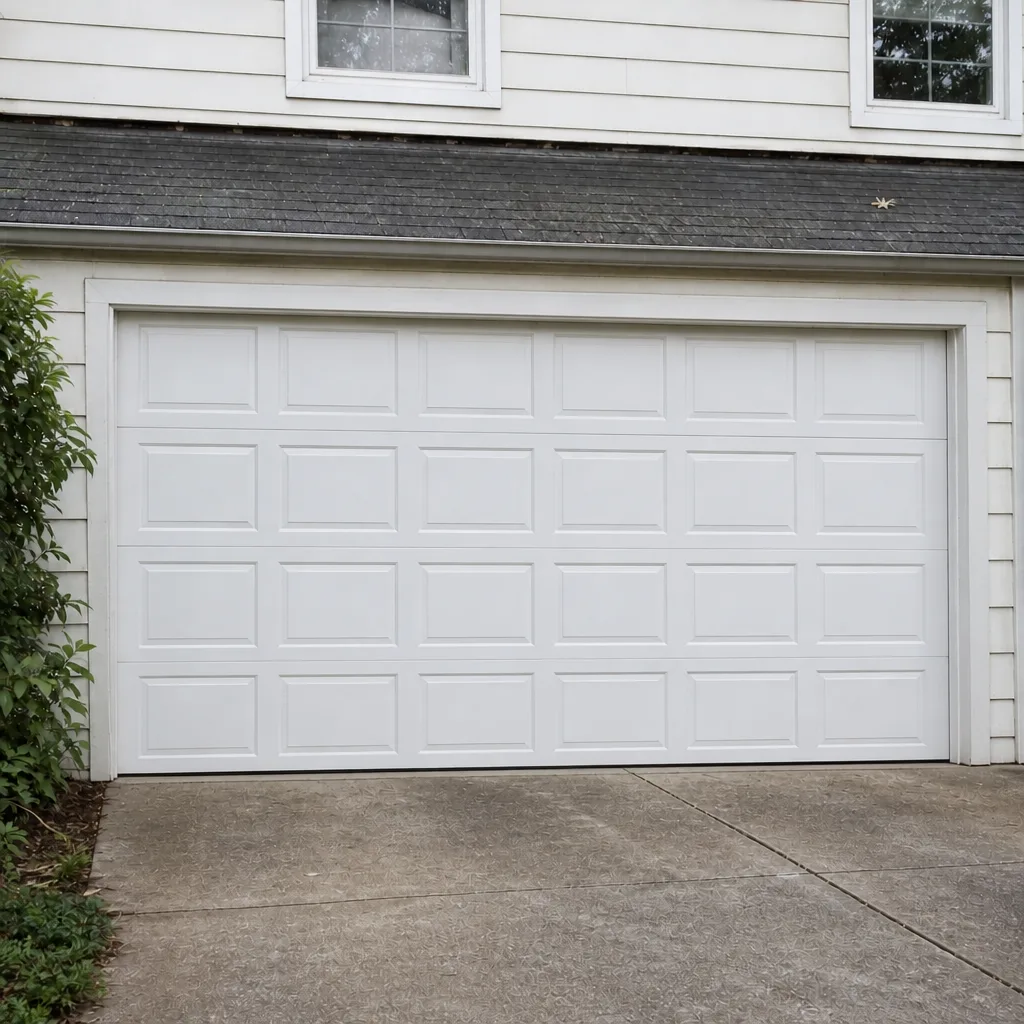
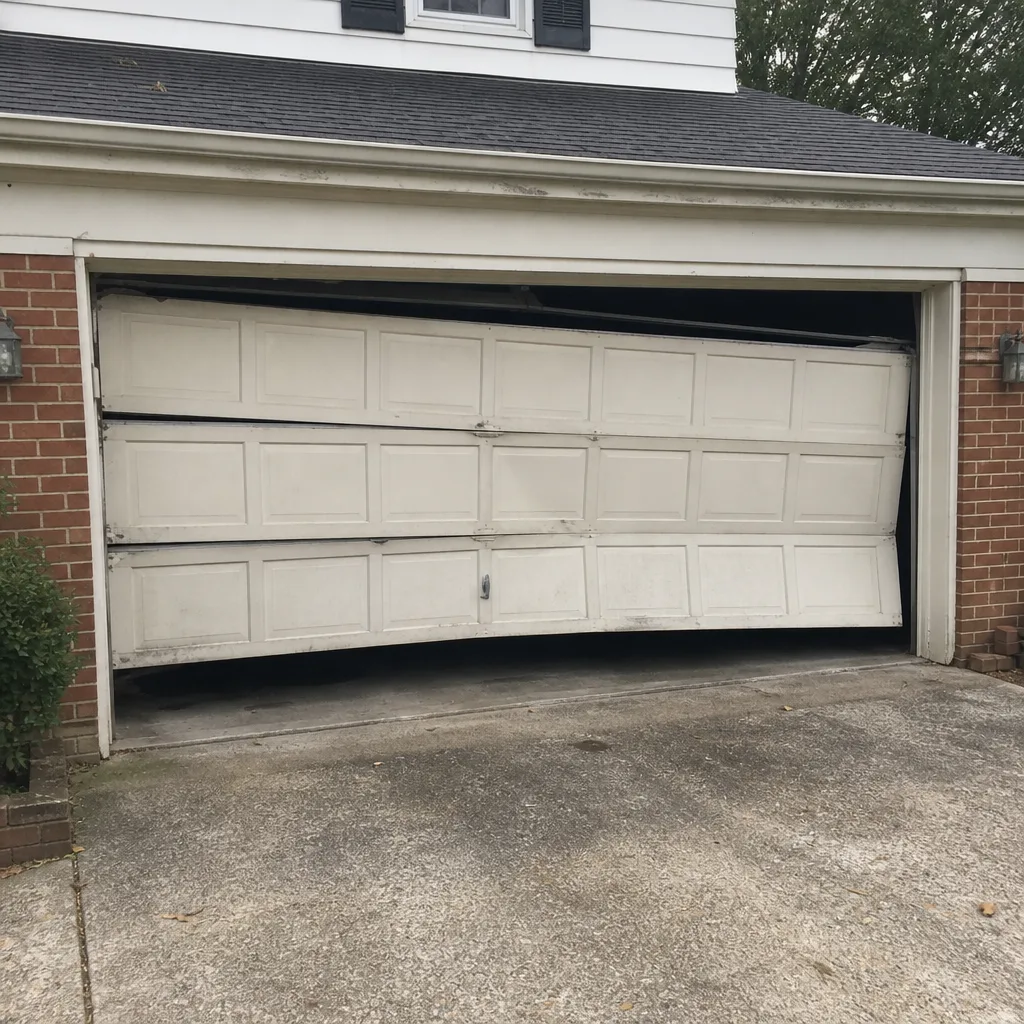
See the difference
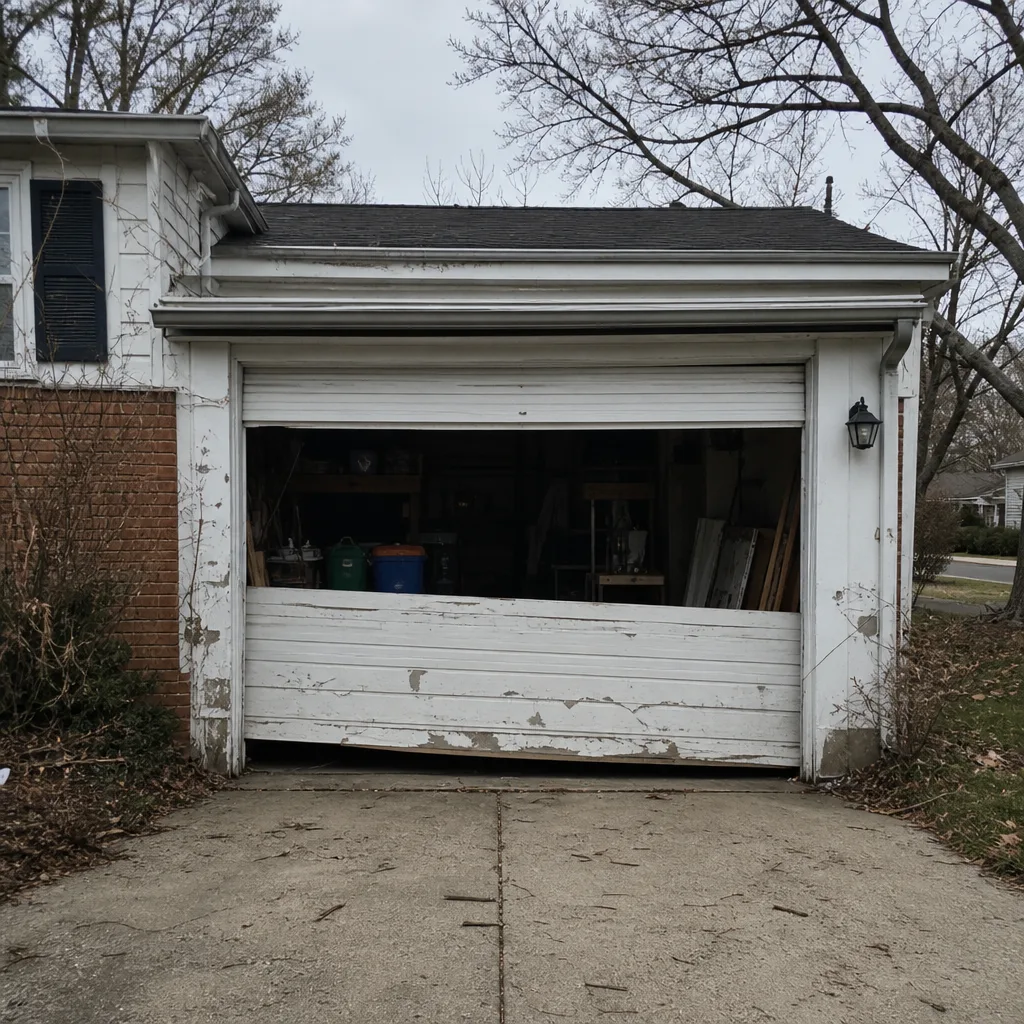 Before
 After
 Before
 After
 Before
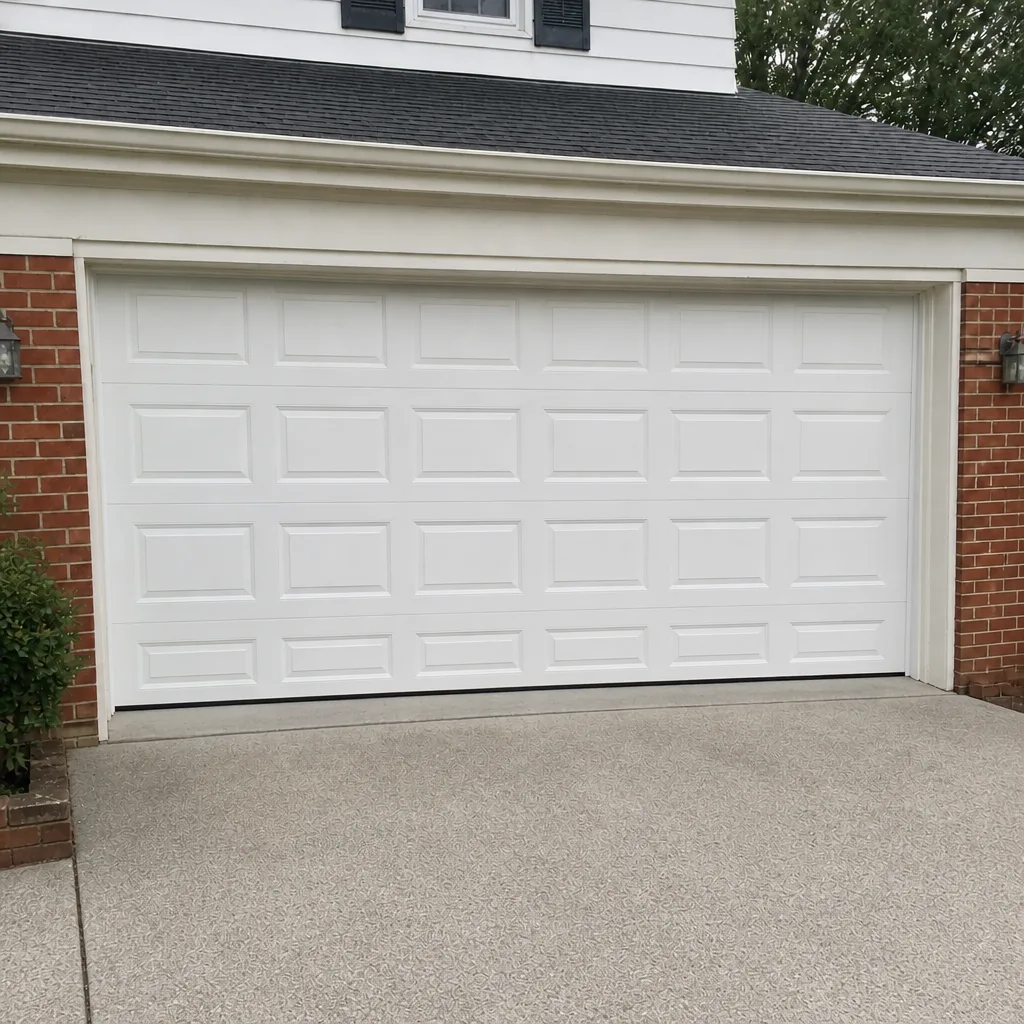 After
Frequently Asked Questions
A single spring replacement typically runs $180 to $340, and a matched pair is about twice that because both springs are replaced together. The final price is set by the written estimate you receive before work begins. Call (855) 550-7581 for an exact quote – estimates are free.
Emergency service is available for safety- and security-critical failures, including a door stuck open or stuck closed. Call (855) 550-7581 and we’ll get you scheduled for the soonest available visit.
No. The written estimate you receive before work starts is the price you pay. If we find something that changes the scope, we come back to you with a revised estimate before doing anything.
The local professionals we connect you with are state-licensed and insured as their state requires. Our technicians have up to 12 years of experience across the major door and opener brands. Call (855) 550-7581 for a free estimate.
Yes. We handle LiftMaster, Chamberlain, Genie, Clopay, Amarr, Wayne Dalton, Craftsman, and Raynor as everyday work, so if it’s in your garage we know it. Call (855) 550-7581 and tell us the brand and model.
Repair usually wins when the door is structurally sound and the problem is springs, tracks, or the opener. Replacement makes more sense when the frame has rot, sections are rusted through, or parts are discontinued. A free estimate tells you which side of that line you’re on.
The Bottom Line
Your garage door problem in Bethesda is shaped by your home’s era: extension springs and rot on pre-1990 homes, steel door issues and aging openers on 1990s builds, heavier loads and smart openers on newer ones. Read the nameplate before you order anything. Replace springs in pairs. Treat spring work as the specialist job it is. And remember that a sticking door in July is often humidity, not failure. If you’re not sure which case you’re in, that’s the point to call. The written estimate is free, agreed before any work starts, and it doesn’t change once you’ve accepted it.
Call (855) 550-7581 for a free estimate.
Written by the team at Bethesda Garage Door Repair Co.