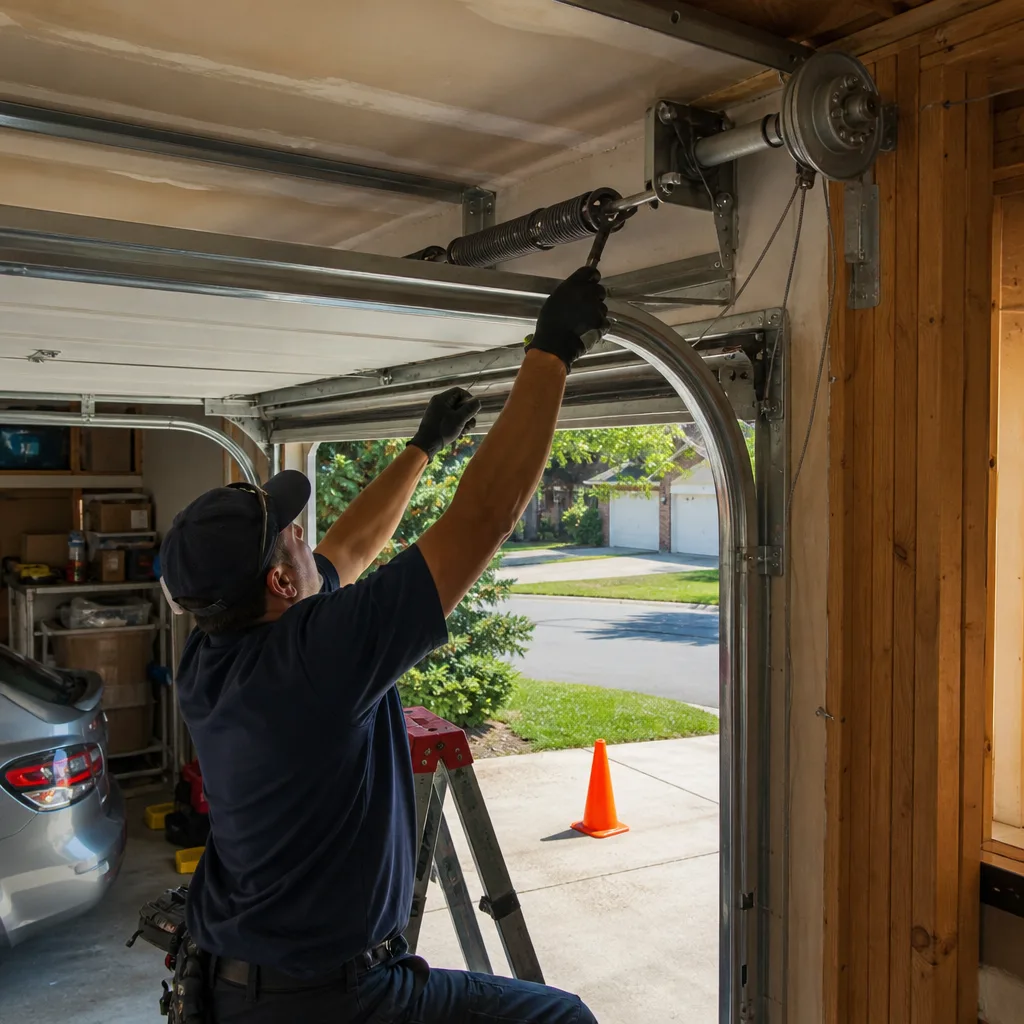
Last updated November 23, 2026
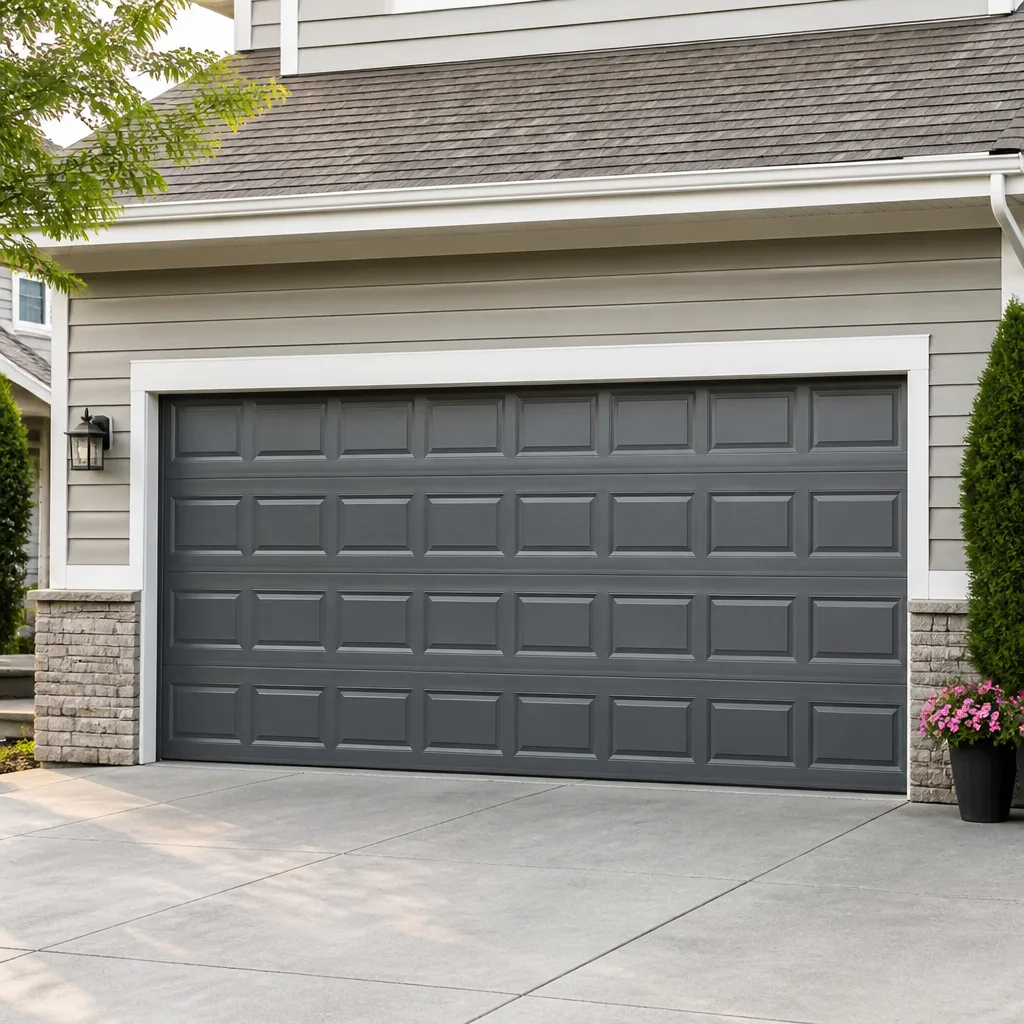 Raised-panel steel
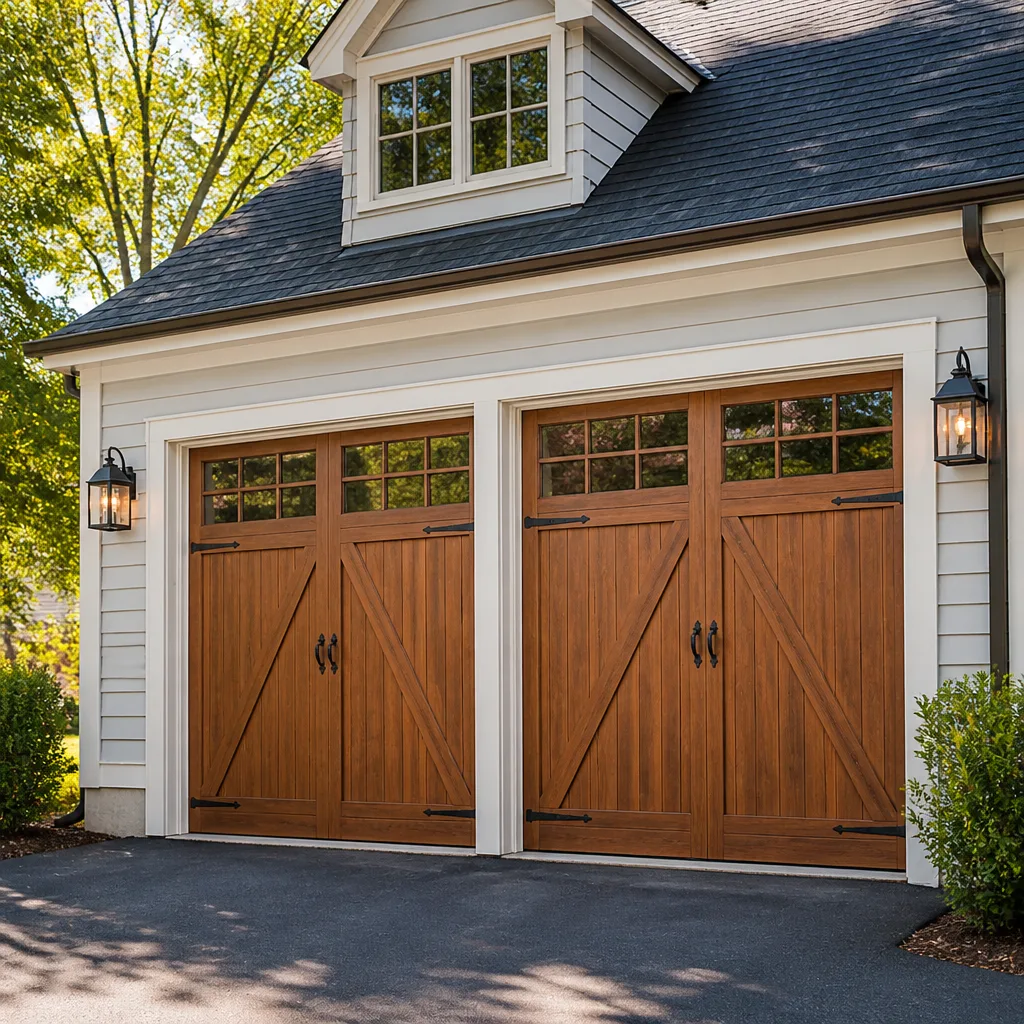 Carriage house
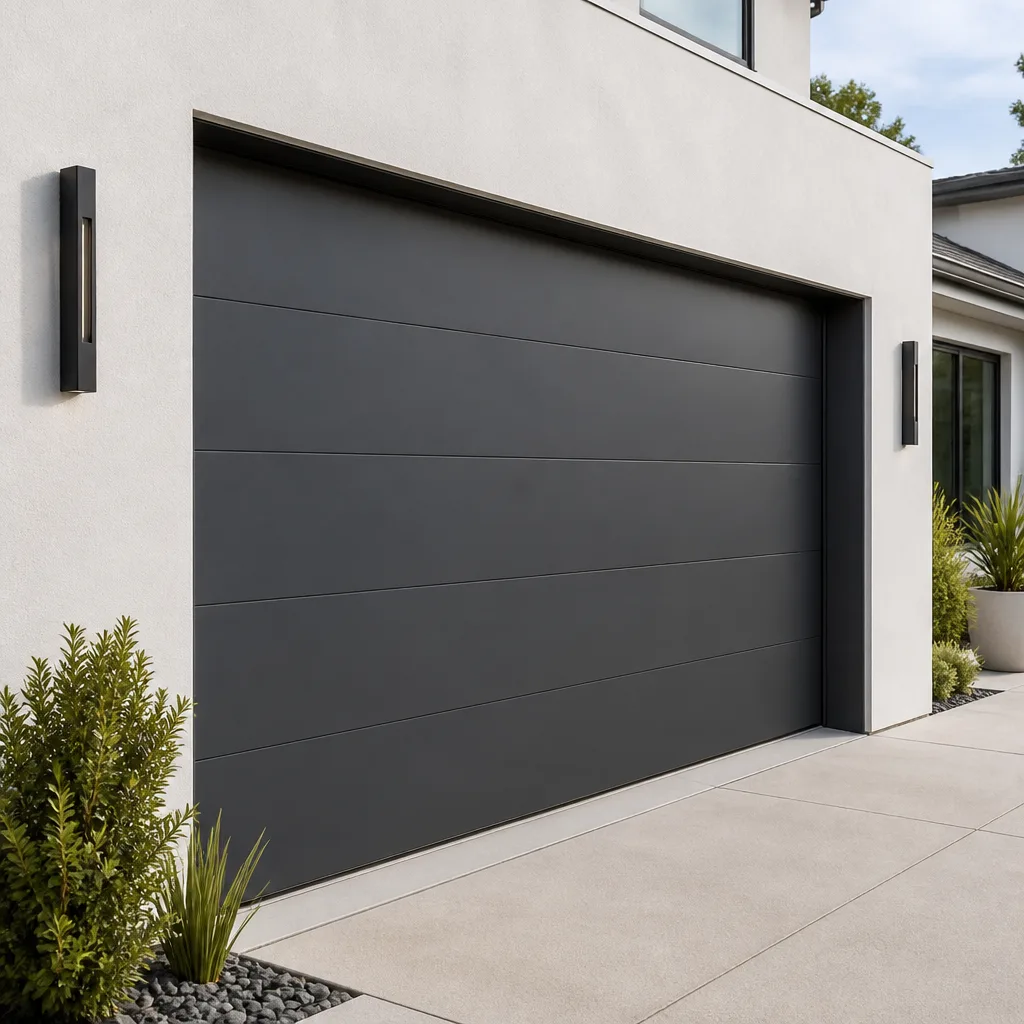 Modern flush
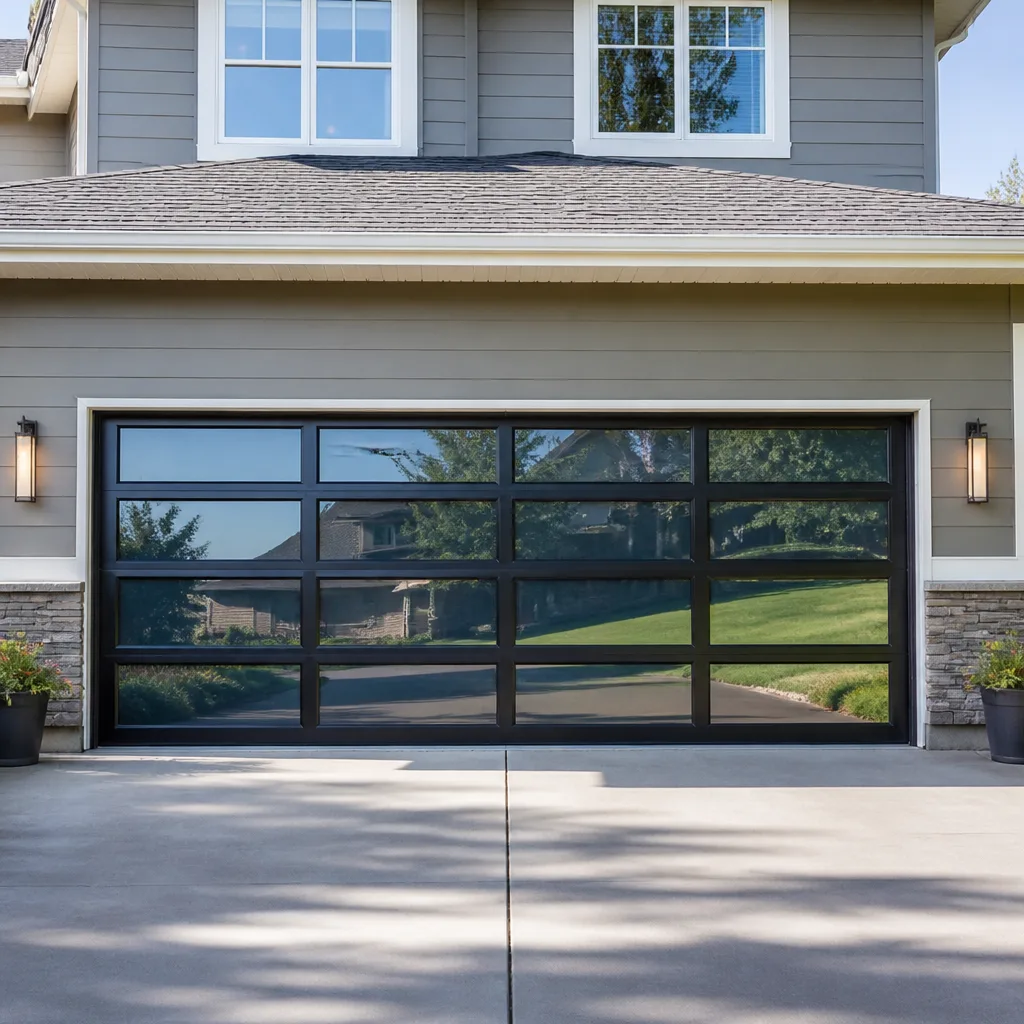 Full-view glass
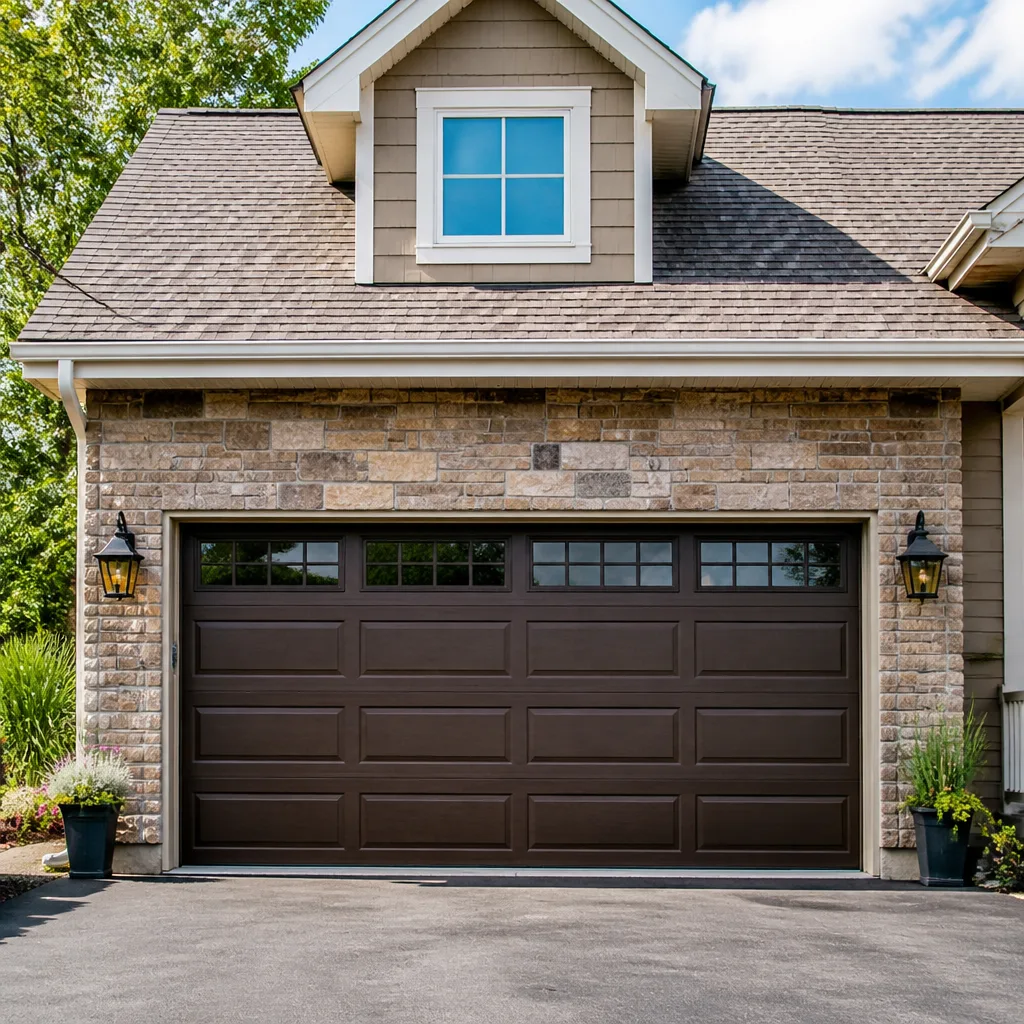 LiftMaster openers
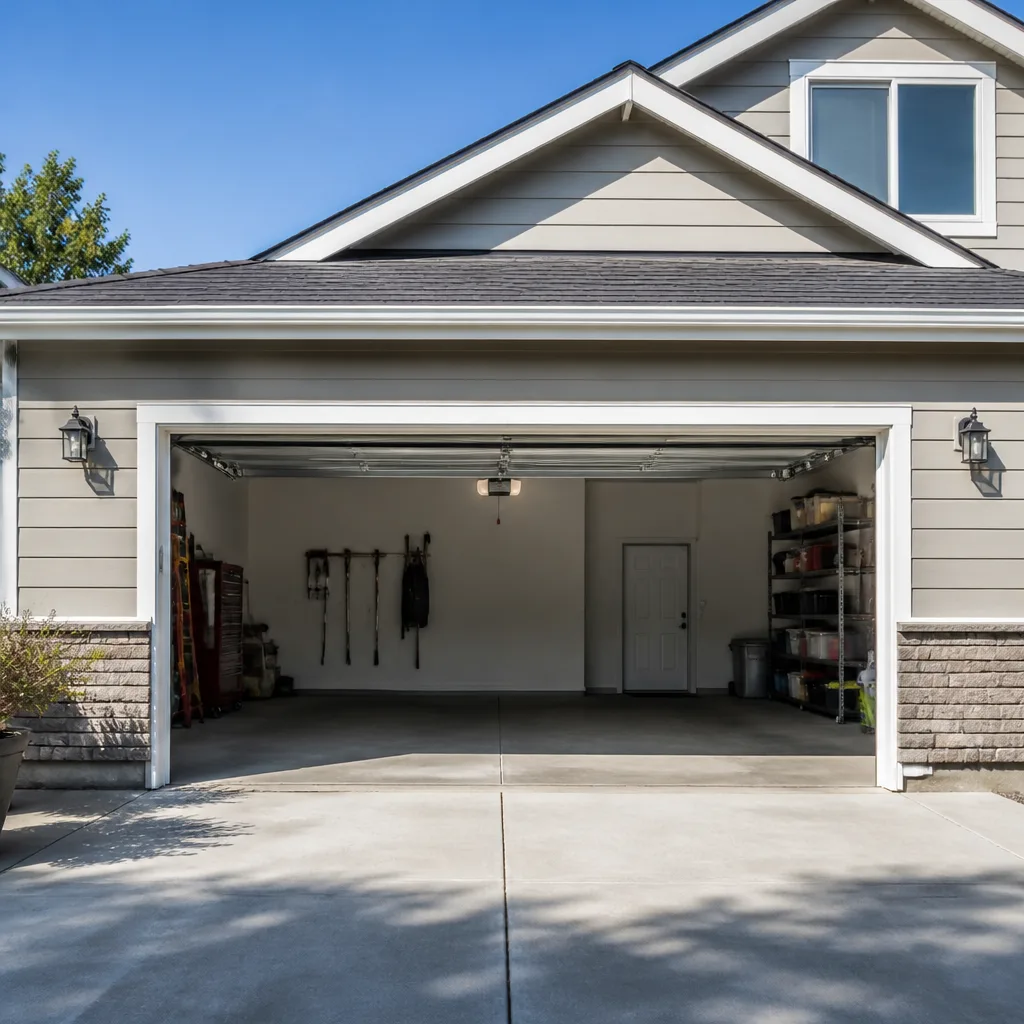 Chamberlain openers
Full 25-point door and opener safety check with every visit - springs, cables, rollers, tracks, and your LiftMaster or Chamberlain opener included
You get a price before we start. It does not change when the pro arrives.
Get your free estimateGarage Door Repair Troubleshooting in Bethesda: Common Problems and How to Fix Them
A garage door that “just stopped working” is almost never one problem. It’s usually a symptom pointing to one of four distinct mechanical systems: the motor and opener, the springs and cables, the track and rollers, or the safety sensors. Diagnosing the wrong system wastes money and, in the case of springs, can be genuinely dangerous. Most patients of the garage door world arrive as a noise, a blink, a beep, or a half-open door, and the trick is reading that clue correctly before touching anything. In this guide you’ll learn how to map symptoms to root causes, which checks are safe for a homeowner in Bethesda, and which ones need a technician.
Quick Answer
Garage door problems in Bethesda usually trace back to one of four systems: opener/motor faults, spring or cable failure, track misalignment, or safety sensor disruption. Safe homeowner checks are limited to sensor alignment, remote batteries, and limit-switch adjustment; anything involving spring tension, cables, or the trolley carriage needs a trained technician. If the door won’t open, can’t stay balanced on manual release, or makes a bang followed by silence, call a professional.
Styles & brands we work with
- Raised-panel steel
- Carriage house
- Modern flush
- Full-view glass
- LiftMaster openers
- Chamberlain openers
Table of Contents
- The Symptom-to-System Diagnostic Matrix
- Safe Homeowner Checks vs. Technician-Only Territory
- The Manual Release Balance Test: Opener or Door?
- Why Bethesda Temperature Swings Look Like Electrical Problems
- Brand-Specific Quirks: LiftMaster, Chamberlain, Genie, Craftsman, Raynor
- Reading the Sounds: Grinding, Squealing, Banging, Popping
- What Garage Door Repair Typically Costs in Bethesda
- Common Mistakes to Avoid
The Symptom-to-System Diagnostic Matrix
Start here. Match what you see and hear to the system it points to. Nine times out of ten, this puts you in the right ballpark before anyone picks up a wrench. We’ve walked Bethesda homeowners through this over the phone on hundreds of calls, and the pattern holds: the symptom is rarely subtle once you know what you’re listening for.
- Motor fault: Door moves a few inches and stops. Opener hums but the door doesn’t move (or moves in reverse). Remote works but wall button doesn’t, or vice versa. Lights blink on the opener in a repeating pattern. On a LiftMaster or Chamberlain, an error code shows on the panel or a set number of LED blinks.
- Spring or cable failure: A loud bang from the garage. Door suddenly very heavy to lift manually or won’t lift at all. Door hangs crooked (one side higher). Spring visibly broken (gap in a torsion spring, or extension springs stretched and dangling). Cable hanging loose from a drum.
- Track misalignment: Door binds or pops as it rises. Visible bend or gap in a vertical track. Rollers jump out of the track. Door squeals or grinds at one specific point in travel. Panel edges scuffed from where the door rubs.
- Sensor disruption: Door starts down, then stops and reverses immediately. Opener blinks the sensor LEDs (typically one solid, one blinking on most brands). Nothing appears blocked. Happens in the morning or late afternoon when the sun hits the safety eyes straight on.
One category overlaps another more than you’d expect. A failing spring makes the opener strain, which then shows up as an “opener problem.” A bent track stresses a roller, which then sounds like a motor issue. And in Bethesda, a seasonal shift in the wood frame or a stiffened hinge can mimic a sensor fault. The matrix narrows the field, but the balance test below confirms it.
Safe Homeowner Checks vs. Technician-Only Territory
Some troubleshooting is entirely within reach for a careful homeowner. Some is not. The line is not about intelligence or confidence: it’s about stored energy. A garage door balances hundreds of pounds on springs under enormous tension, and touching those springs, or the cables that carry that load, is where serious injuries happen.
Safe to check yourself
- Safety sensor alignment. Look at the two small lenses near the floor on either side of the door. Each should have a steady LED. If one is dark or flashing, wipe the lens, nudge the bracket until both are steady, and try again. A loose bracket from a bumped trash can is the single most common cause of a door that reverses on the way down.
- Remote and keypad batteries. If the wall button works but the remote doesn’t, replace the battery before assuming anything else. Test the remote from directly in front of the door, then from the end of the driveway, to see whether range is the issue.
- Limit switch adjustment. If the door stops an inch short of the floor, or reverses right after touching, the travel limits may need a small adjustment. Most openers have up/down adjustment screws or a digital menu for this. Move in small increments and re-test.
- Visual track inspection. Look down each track from the floor. A visible kink or out-of-line section is worth a call. Don’t try to bend a steel track back into shape yourself; it usually makes the misalignment worse.
- Obstruction check. Make sure nothing is under the door’s path, and check the photo-eye path for cobwebs, leaves, or a broom leaning in the way.
Technician-only territory
- Spring tension and replacement. Torsion springs are wound under extreme load. A slipping winding bar can break a wrist or worse. This is the number one job we tell homeowners never to attempt. For that kind of work, see our garage door spring repair specialists.
- Cable tension and drum work. The cables hold the door’s weight against the springs. If a cable is slack or off its drum, stop and call.
- Trolley carriage and opener gear replacement. Getting the carriage back on the rail or replacing stripped gears is fiddly work with a heavy door overhead.
- Panel and section replacement. A dented bottom section sounds cosmetic until the door no longer seats properly and the opener can’t close it. Panel work often touches spring tension, which lands it in the same category.
The safest rule: if the fix involves the door’s weight or the hardware holding that weight, it’s a professional job. If it involves a battery, an LED, or a menu setting, it’s usually fair game.
The Manual Release Balance Test: Opener or Door?
This is the single most useful test in garage door troubleshooting, and it takes about a minute. It tells you whether the problem is the opener or the door itself. If you can rule out the opener, you may have just saved yourself the cost of an unnecessary opener repair.
- Close the door fully and disconnect the opener using the manual release cord (usually the red T-handle). The door should now move freely by hand.
- Lift the door slowly to about waist height, then let go.
- Watch what happens. A properly balanced door stays put, or drifts very slightly. A door that drops to the ground has a spring problem forming. A door that won’t lift at all, or needs two hands to raise, has a broken spring or a cable issue.
- Reconnect the carriage by pulling the release cord back and running the opener until the carriage clicks back onto the trolley.
If the door balances perfectly and moves easily by hand, the door is fine and the problem is the opener, the sensors, or the wiring. That points you toward our garage door opener repair work rather than a spring call. If the door is heavy, drops, or hangs crooked, the trouble is in the door hardware and the opener is likely a secondary victim, not the cause.
A caution: if the door won’t stay up and drops when you let go, do not stand under it. Step to the side and let it fall. The test is diagnostic, not an invitation to catch a falling door.
Why Bethesda Temperature Swings Look Like Electrical Problems
Bethesda sees genuine seasonal swings: humid, 90-degree August afternoons and freezing January mornings, sometimes with 40-degree shifts inside a single week. That kind of range moves metal and wood, and the shifts can show up as garage door symptoms that look electrical but aren’t.
Here’s what happens. Wood framing in older garages swells in summer humidity and contracts in winter dry air. The mount for the track or the torsion bar can shift by fractions of an inch, which is enough to bind a roller or tilt a photo-eye out of alignment. In winter, cold stiffens the grease in hinges and rollers, and the opener has to work harder to start the door moving. On a borderline battery in the remote or keypad, cold is often the difference between working and not.
The classic misdiagnosis: “My door reverses on its own in December, so the opener is broken.” It might just be a photo eye nudged a few millimeters out of line by a shrinking frame, or a cold-slowed motor straining on stiff hardware. Bethesda’s summer sun also matters: a low-angle morning or afternoon sun directly on the sensors can cause intermittent reversal that disappears by mid-morning. That’s a sensor alignment and sun-shade problem, not a motor failure.
If a problem is consistent year-round, it’s mechanical. If it comes and goes with the season, it’s usually a hardware adjustment, not an electronics failure. We see both in Bethesda regularly, and the seasonal pattern is a useful diagnostic on its own.
Brand-Specific Quirks: LiftMaster, Chamberlain, Genie, Craftsman, Raynor
Every major brand signals its faults a little differently. If you know the language your opener speaks, you can often skip the guessing. Our technicians have up to 12 years of experience across the eight major brands, so we work on what’s already in the garage rather than steering you toward something new.
LiftMaster and Chamberlain
These two brands share a lot of engineering (both are under the same corporate family, and both are extremely common in Bethesda homes). LiftMaster units often display a diagnostic error code on a digital panel or an LED that blinks a set number of times before pausing. Count the blinks: five is typically a sensor issue, six relates to the motor control, and so on. Chamberlain units frequently show their symptoms the same way, plus a pair of LEDs at the safety eyes where one solid plus one blinking means the beam isn’t getting through. If your Chamberlain remote works but the wall button doesn’t, suspect the wall wiring or the logic board.
Genie
Genie openers often beep as well as blink. A series of beeps when you try to close the door is usually a safety sensor complaint. Genie chain drives also get noisy as the chain loosens or the sprocket wears, which sounds like a failing motor but isn’t. On Genie units, a door that travels part-way and stops often points to a limit switch setting that’s drifted, which is one of the safe adjustments above.
Craftsman
Craftsman openers (many of which are close cousins of Chamberlain) use LED blink codes as their primary language. A wall control that’s gone unresponsive with the remote still working usually means a wiring or control-panel issue rather than a motor problem. Craftsman units also tend to get fussy with the safety sensor wiring after a hard bump.
Raynor
Raynor builds both doors and openers, and their doors are widely installed on Bethesda homes. Raynor springs and hardware still follow the same high-tension rules as any other brand: do not touch the springs yourself. On Raynor doors, a door that hangs crooked after a hard close typically means the cable slipped or a spring broke on one side.
The pattern across every brand is that a blinking light or beep is signaling a specific fault, and knowing which code goes with which problem saves a service call or shortens one. When the code points to something beyond the safe checks above, that’s the moment to call.
Reading the Sounds: Grinding, Squealing, Banging, Popping
Sounds are diagnostic. Here’s the translation table we use:
- A single loud bang, then silence: Spring failure, nearly always a torsion spring. The door will be heavy and won’t open fully. Stop using the opener immediately to avoid burning out the motor on top of the spring cost.
- Grinding, ongoing: Worn rollers, a dry chain drive, or a bent track rubbing. Not urgent but getting worse. On a chain-drive opener, a stretched or dry chain is the usual culprit.
- Squealing at one point in travel: A dry hinge, a roller bearing, or a section of track binding. Lubrication of hinges and rollers is safe; the opener’s internal bearings are not a homeowner job.
- Popping or snapping while moving: Roller jumping out of or back into a track, or a panel catching on a misaligned track edge. A popped roller is a technician call because dropping the door to reseat it can bend a section.
- Clicking but no movement, on a belt drive: Trolley carriage issue or stripped opener gear. The door itself may still be fine; test with the manual release.
- Rattling from the opener head: Loose mounting bolts, or a failing gear case. A rattle that builds to a grind is often the gear worn down to a nub.
Sounds change with temperature too. A door that squeals in January and runs smooth in July is a lubrication and stiffness issue in Bethesda’s cold months, not a motor problem. Sounds that persist year-round are mechanical and worth addressing.
What Garage Door Repair Typically Costs in Bethesda
Nobody likes a surprise invoice, and we get that. Pricing on garage door work depends on the system, the part, and how much of the door the fault has stressed. The ranges below are typical for the Bethesda market. Your written estimate sets the final price, agreed before any work starts, so what you’re quoted is what you pay.
| Repair type | Typical estimated range |
|---|---|
| Safety sensor realignment or replacement | $95 – $180 |
| Remote or keypad reprogramming | $75 – $150 |
| Roller or hinge replacement (per unit, several may apply) | $40 – $80 |
| Track realignment | $125 – $250 |
| Opener motor or gear replacement | $180 – $400 |
| Torsion spring replacement (one spring) | $180 – $340 |
| Extension spring replacement (one spring) | $150 – $300 |
| Cable replacement | $150 – $350 |
| Full door installation (single car) | $1,200 – $2,500 |
One note on springs: prices above are per spring. Matched pairs are usually replaced together because they wear at the same rate, so a pair typically costs about twice the single-spring range. We always tell you up front whether a single or pair makes sense for your door.
The number to focus on is the written estimate, provided before we start. If we open the door and find something else wrong, we stop, tell you, and re-price before doing anything else. The price is agreed before work begins, on every job.
Common Mistakes to Avoid
- Trying to wind or unwind a torsion spring yourself. Even seasoned handymen decline this because the stored energy can break a wrist or worse. Call a trained technician for spring work. Period.
- Deleting the “small” problem because it’s the weekend. A cable starting to slip or a roller starting to pop can leave you with a door stuck open or fully down by Monday, which turns a minor repair into an emergency call. In Bethesda, a stuck-open door on a residential street is a security exposure as much as an inconvenience.
- Adjusting the travel limits far past factory settings. A door that reverses too easily is safer than a door that pushes a car or a person. If you adjust and can’t get it to close cleanly, stop and call rather than force it.
- Applying household oil or WD-40 to springs and hinges. It attracts dust and gunk and dries out. A proper garage door lubricant goes on the hinges, rollers, and springs, sparingly.
- Assuming a reversing door needs a new opener. The vast majority of reverse-on-close complaints are sensor alignment or sun glare, both cheap fixes. Don’t buy a motor before the balance test and a sensor check.
- Ignoring a single bang as “just the door.” That bang was very likely a spring. Keeping the opener running on a broken spring strains the motor and can bend the door’s top section.
- Calling a general handyman for high-tension work. Garage door springs are a specialty. A general contractor who declines the job is being honest, not lazy. That’s why we treat spring repair as its own dedicated service.
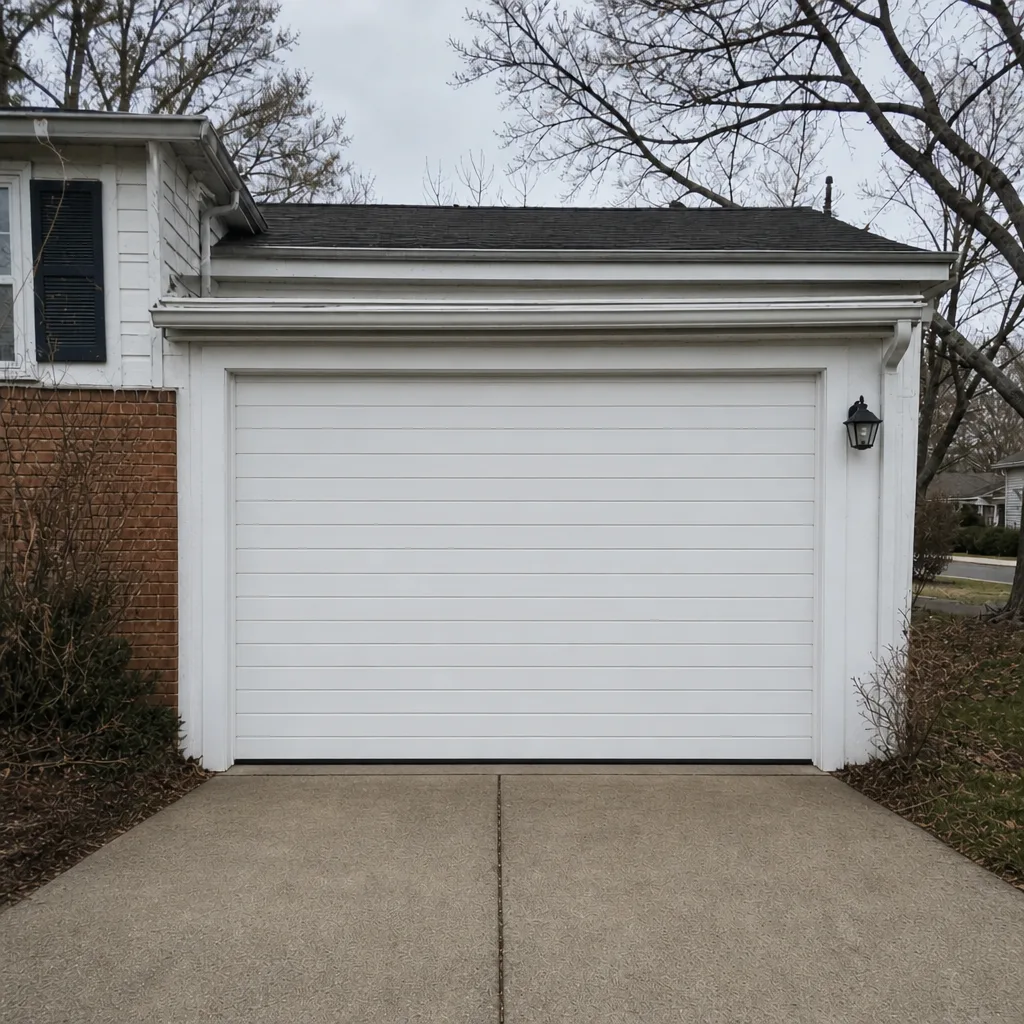
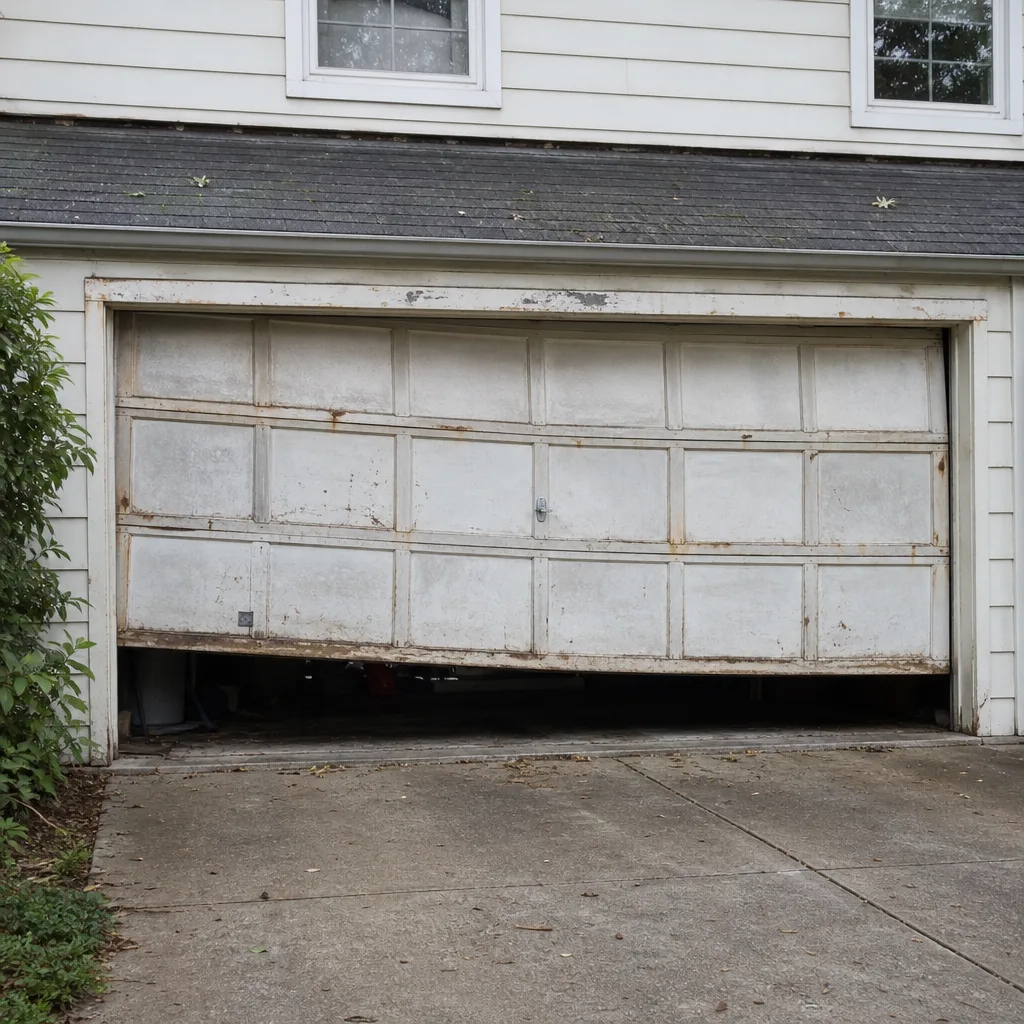
See the difference
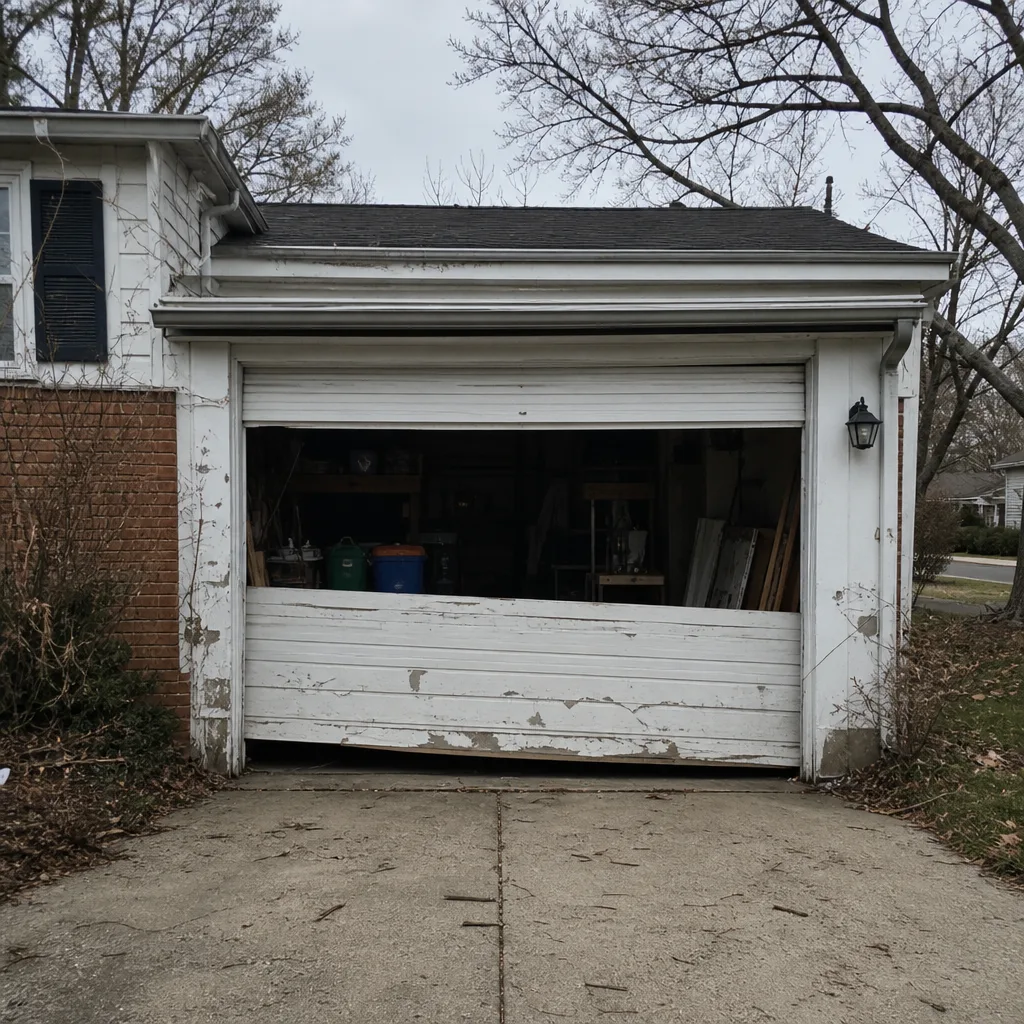 Before
 After
 Before
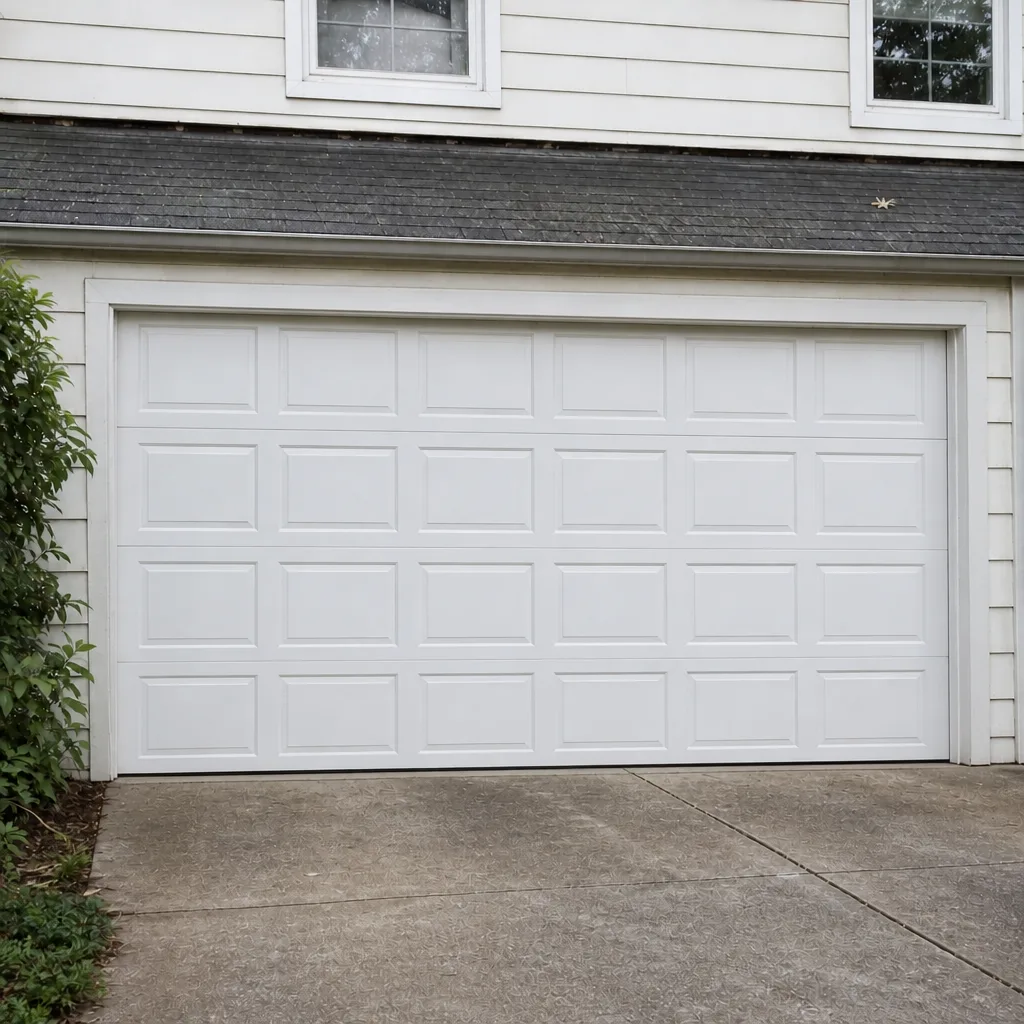 After
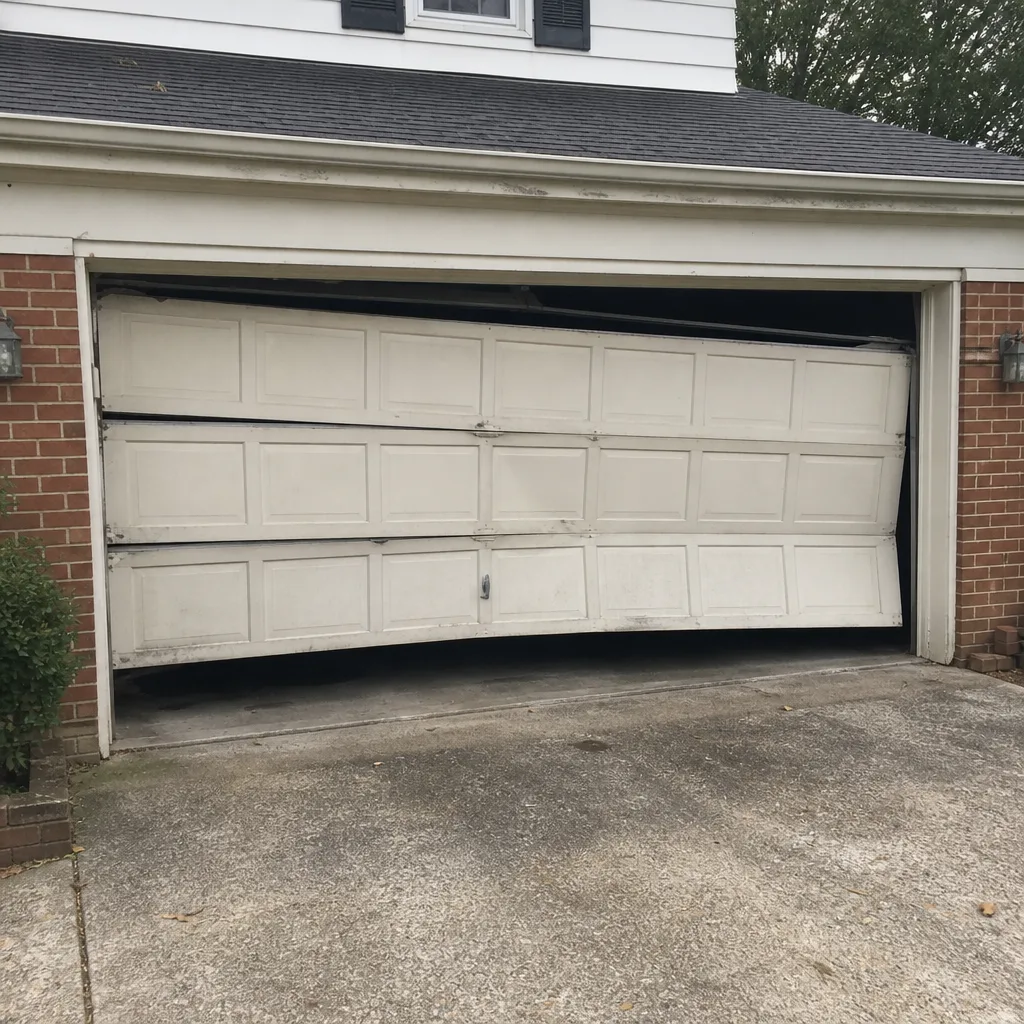 Before
 After
When to Call a Professional
Call a technician if the door’s weight is involved, if a spring has broken, or if the door hangs crooked. Call if a cable is loose, a roller has popped out of the track, or a gear is grinding inside the opener. Call if the balance test fails: a door that drops or won’t lift by hand means a spring or cable problem. Call if the safe checks above didn’t solve the issue. And call if you simply want a second opinion before you replace an opener, which is often cheaper to fix than to swap.
Bethesda Garage Door Repair Co offers free estimates in Bethesda. Call (855) 550-7581 to talk through what you’re seeing, and we’ll tell you what it likely is and what a repair typically runs. Estimates are free, and the price is agreed before any work starts.
Frequently Asked Questions
Yes, in most cases. A door that reverses immediately on closing is almost always a safety sensor or sun-glare issue. Check that both LEDs at the safety eyes are steady, wipe the lenses, and make sure nothing is in the beam path. If a bracket looks nudged, straighten it. If the problem persists after that, call for an opener reset or sensor replacement.
Torsion spring replacement typically runs $180 to $340 for one spring, and extension spring replacement runs about $150 to $300 for one spring. Matched pairs usually get replaced together, which typically costs about twice the single-spring range. Your written estimate sets the final price, and we confirm single versus pair before starting. Call (855) 550-7581 for an exact quote – estimates are free.
A door that travels partway and stops usually points to a limit-switch setting that’s drifted, a sensor that’s fully blocked, or a binding track or roller. The manual release test will tell you whether the door moves freely by hand. If it does, the issue is the opener or its settings. If it doesn’t, the door hardware is binding.
The local pros we connect you with are licensed and insured as their state requires. Our technicians have up to 12 years of experience, and we work on the eight major garage door brands, including LiftMaster, Chamberlain, Genie, Craftsman, and Raynor, so we’re familiar with your specific opener.
We offer emergency garage door service for failures that can’t wait, including doors stuck open or stuck closed. Call (855) 550-7581 and we’ll tell you what’s available. A door stuck open overnight is a security concern, and a door stuck closed traps your car, so both qualify for emergency service.
No. We provide a written estimate before any work begins, and the price is agreed at that moment. If we discover something additional that changes the scope, we stop and tell you before proceeding. You’re never invoiced more than the estimate you approved.
The Bottom Line
Most garage door problems trace back to one of four systems, and reading the symptom correctly is half the diagnosis. Safe homeowner checks are limited to sensors, batteries, and limit switches. Anything involving spring tension, cables, or the trolley carriage belongs with a trained technician. In Bethesda, seasonal temperature swings can make hardware problems look electrical, so pay attention to whether a fault comes and goes with the weather. The manual release balance test is the single most useful test you can run. When in doubt, our garage door repair service is a call away, and so is our team at Bethesda Garage Door Repair Co.
Ready to stop guessing? Call (855) 550-7581 for a free estimate. We’ll walk through the symptom, tell you which system it points to, and give you a written price before any work begins. Whether it’s a LiftMaster blinking code, a Chamberlain sensor going dark, a Genie beep sequence, or a door that just won’t stay up, we know the language and we work on what’s already in your garage.
Written by the team at Bethesda Garage Door Repair Co.