Last updated November 23, 2026
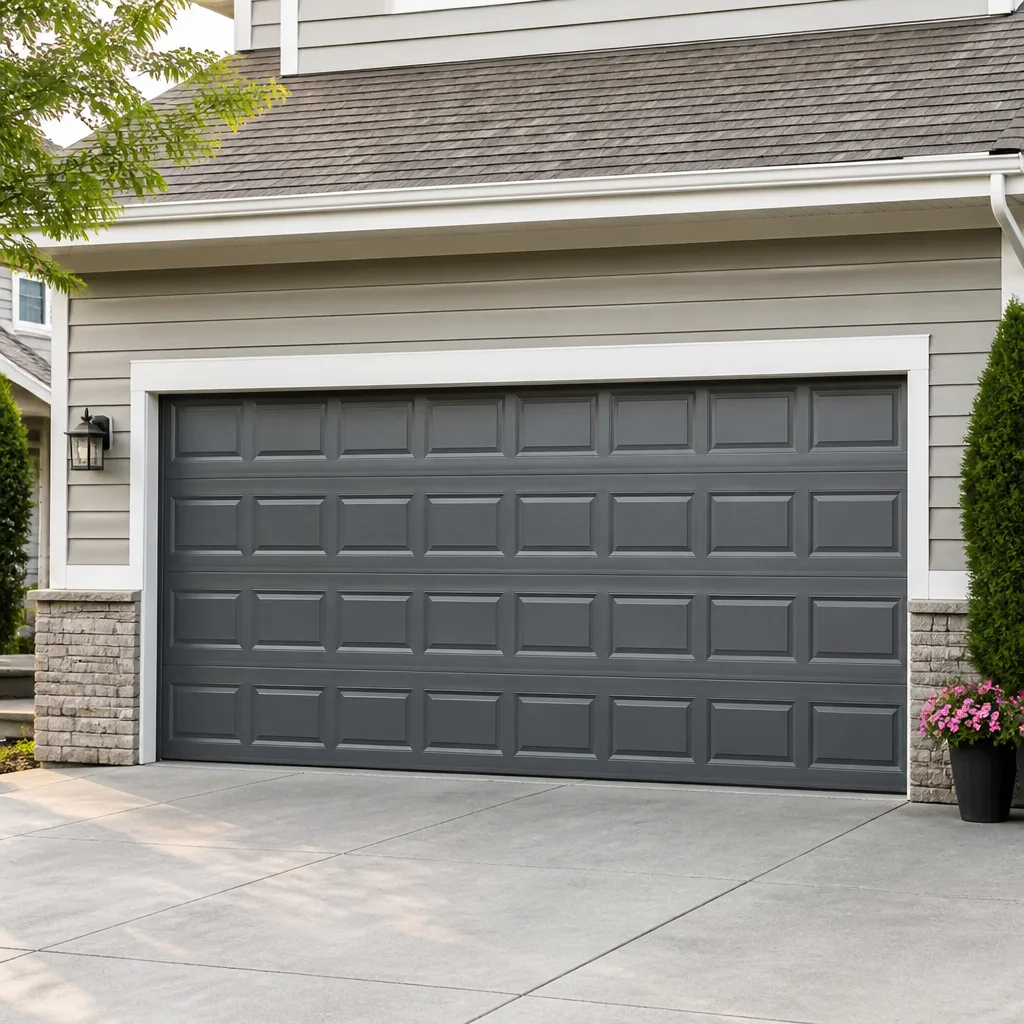 Raised-panel steel
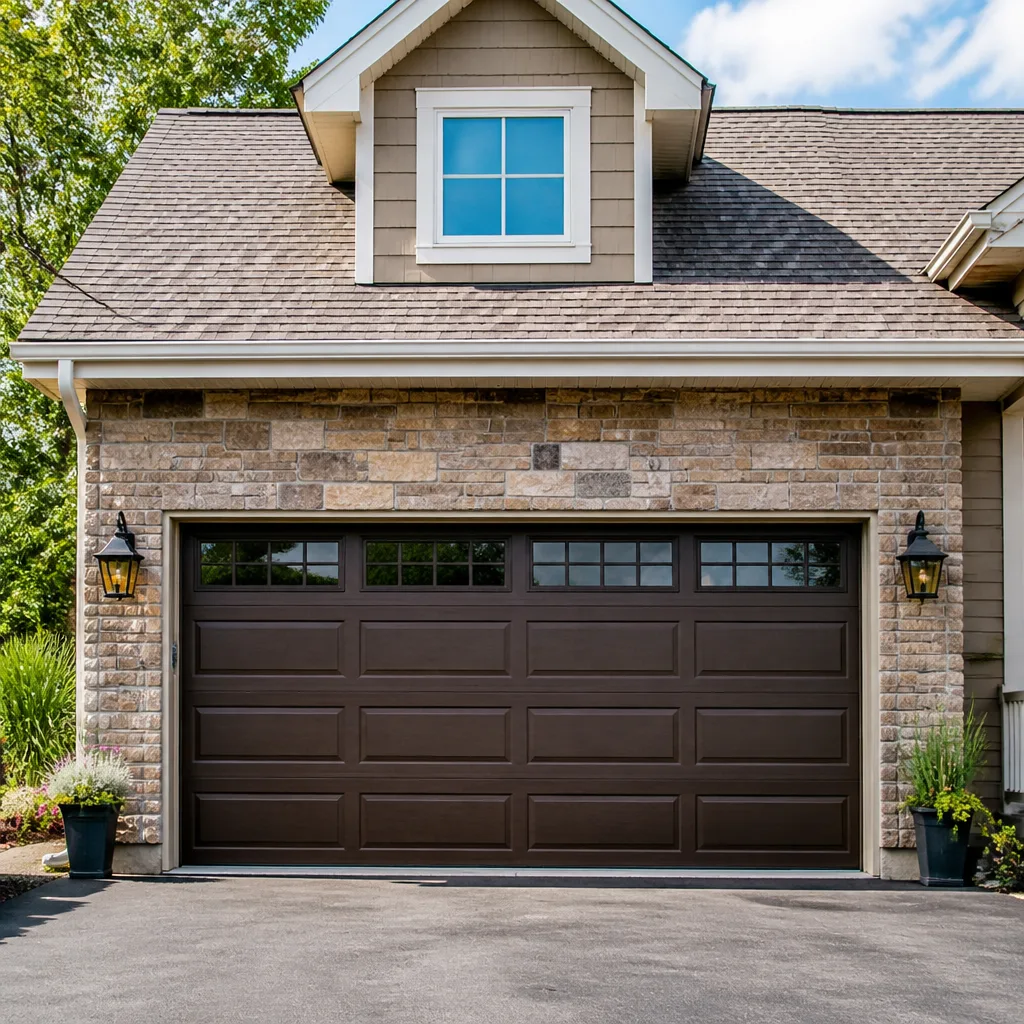
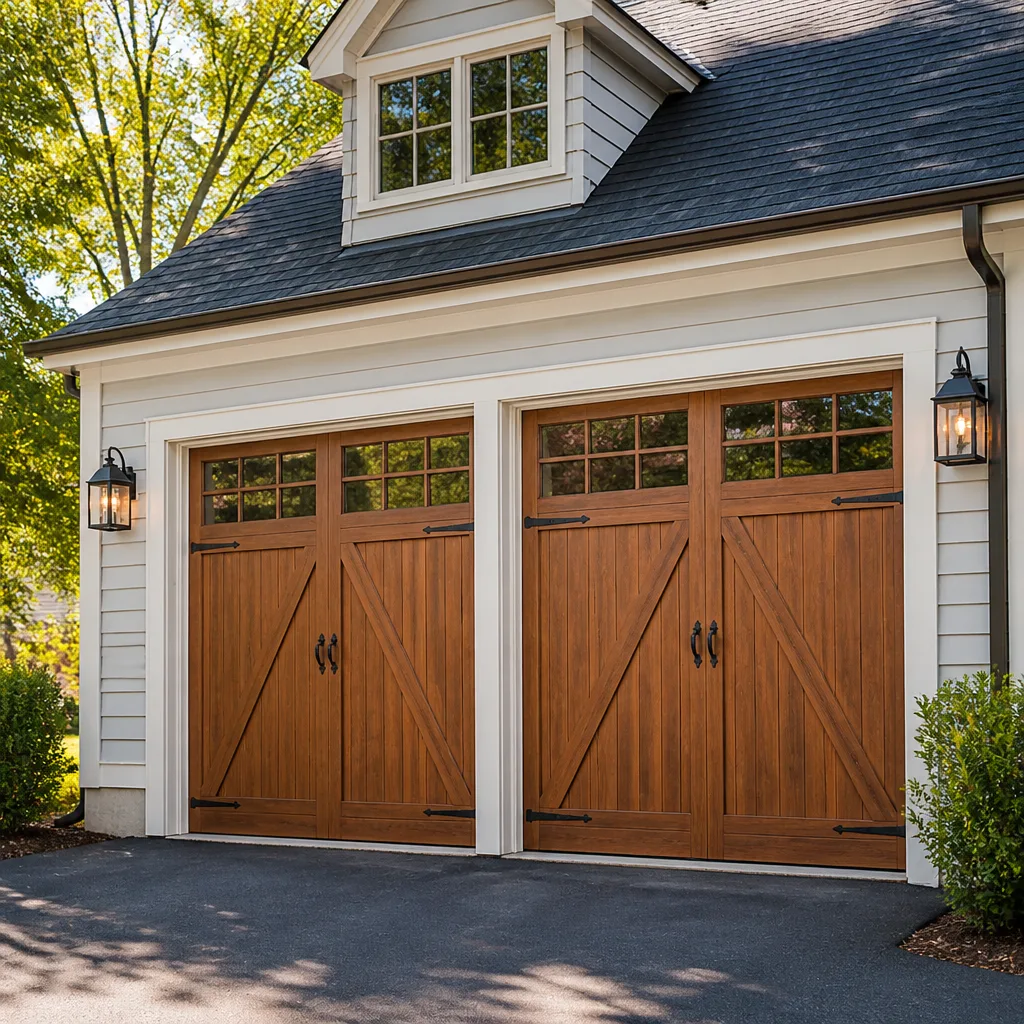 Carriage house
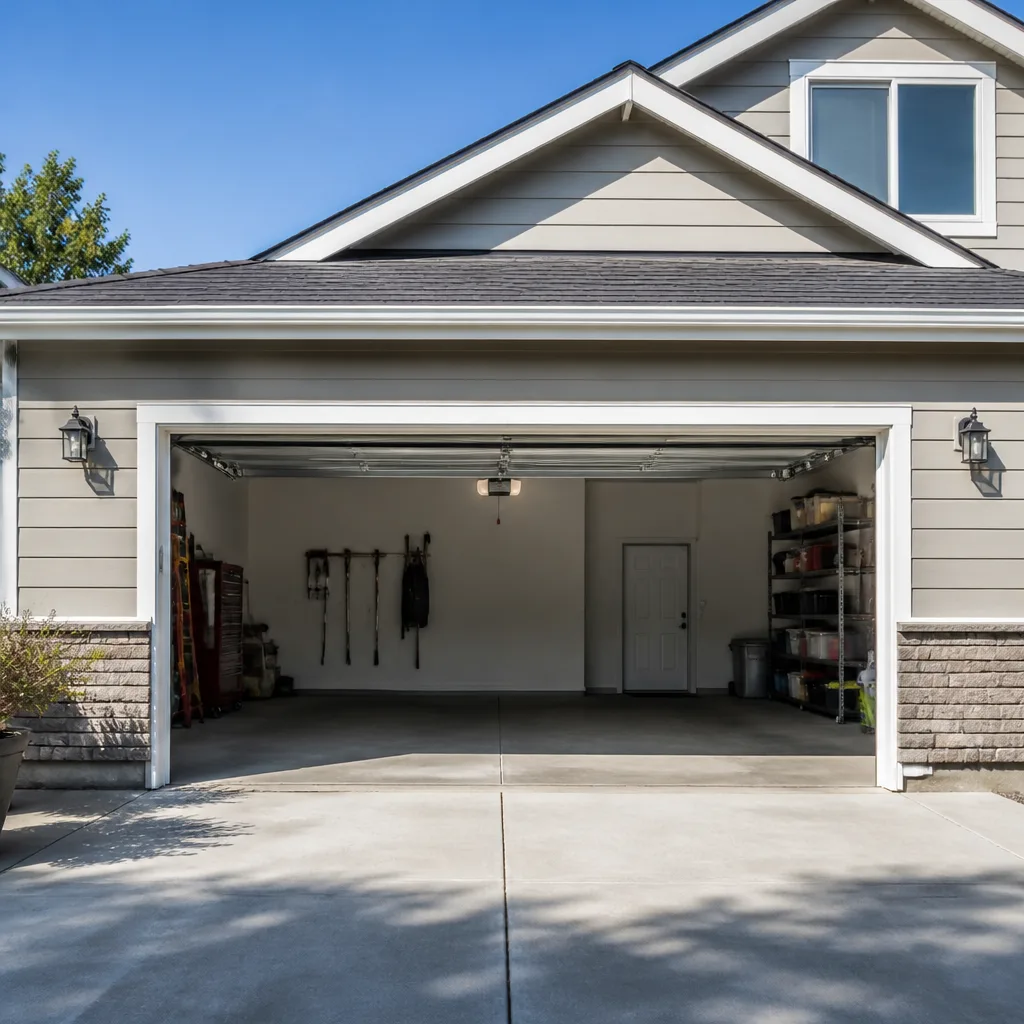
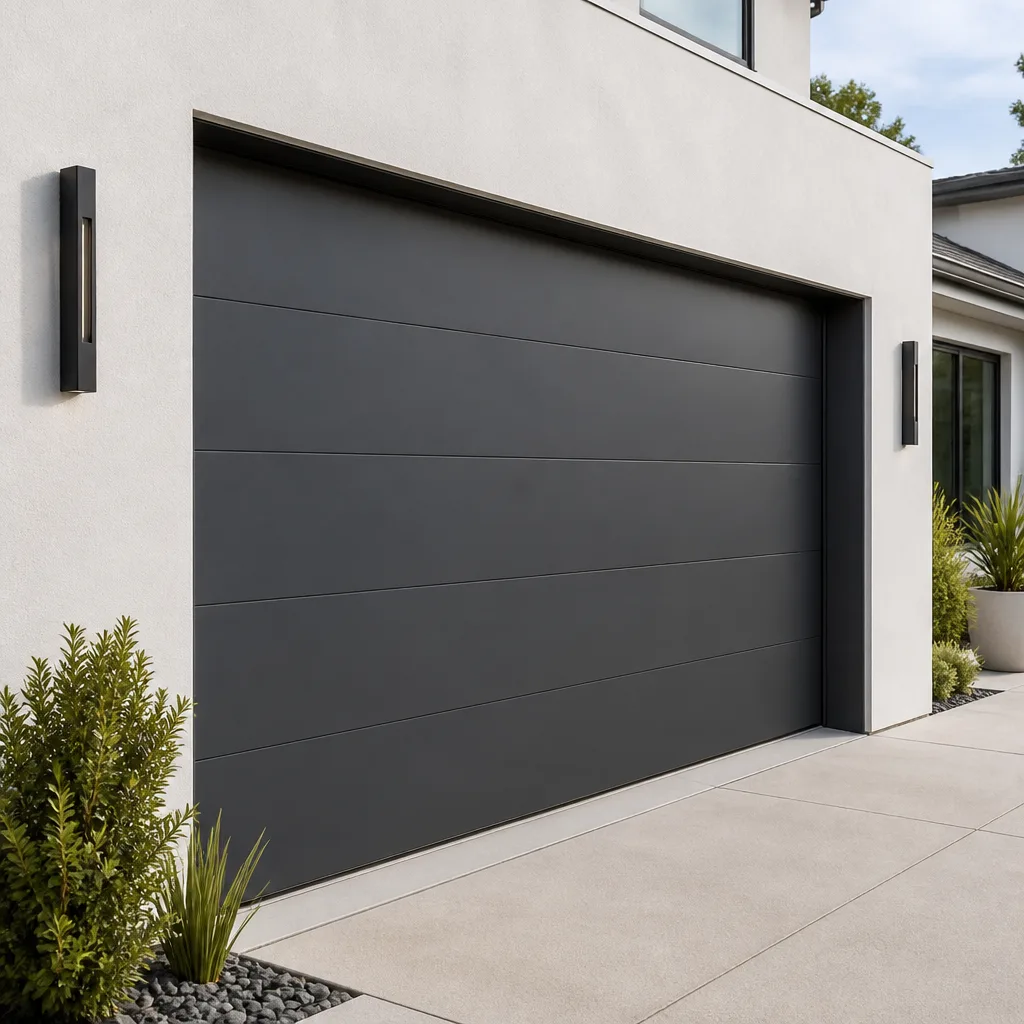 Modern flush
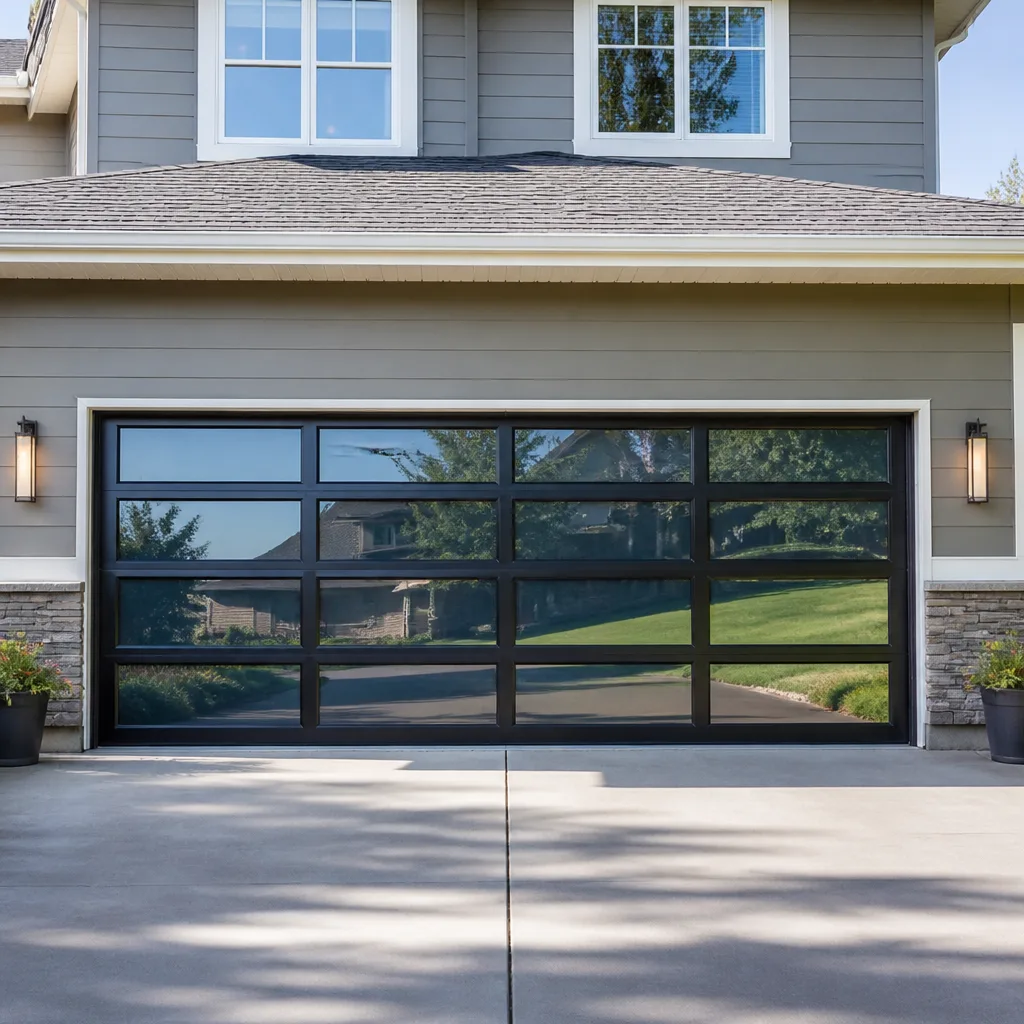 Full-view glass
 LiftMaster openers
 Chamberlain openers
Full 25-point door and opener safety check with every visit - springs, cables, rollers, tracks, and your LiftMaster or Chamberlain opener included
You get a price before we start. It does not change when the pro arrives.
Get your free estimateChoosing the Right Garage Door Brand: A Buyer’s Guide for Bethesda
Clopay and Wayne Dalton are both sold as premium brands, but their dealer networks around Bethesda are different sizes, and that difference shows up in the real world when a warranty panel is on order. One homeowner waits a few days; another waits a couple of weeks. No showroom volunteer that comparison, and no brochure prints it. Most brand guides rank doors by prestige or by the look of a display model under perfect lighting. That tells you almost nothing about how the door will hold up on your particular lot in Bethesda, or how quickly a replacement section arrives when something fails. This guide takes a different approach: brand-by-brand verdicts grounded in material performance, local parts availability, and how each door works with the opener already on your ceiling. You’ll learn which brands dominate Montgomery County, how orientation and shade change the right material, and what questions actually matter before you sign.
Quick Answer
There’s no single best garage door brand for every Bethesda home. The right choice depends on three things: how your garage is oriented to the sun and weather, how quickly your chosen brand’s parts can reach the DC/Maryland metro, and whether your installer actually stocks that manufacturer’s components. For most attached garages in Bethesda, a steel Clopay or Amarr door with a solid insulation rating is the practical pick. Detached garages and shade-facing openings can often use a lighter, less expensive door. The brand matters less than whether the specific model fits your exposure and whether the local supply chain can support it.
Styles & brands we work with
- Raised-panel steel
- Carriage house
- Modern flush
- Full-view glass
- LiftMaster openers
- Chamberlain openers
Table of Contents
- The Four Brands Most Commonly Installed in Montgomery County
- Matching Door Material to Your Garage’s Exposure
- Why Opener Brand Compatibility Matters
- Parts Availability: The Reality Check No One Mentions
- What Wind Load Rating Means and Whether You Need to Care
- Insulation, Panel Gauge, and Warranty: Reading the Spec Sheet
- A Step-by-Step Way to Choose Your Brand
- Common Mistakes to Avoid
The Four Brands Most Commonly Installed in Montgomery County
Clopay, Wayne Dalton, Amarr, and CHI account for most of the residential garage doors you’ll see on homes around Bethesda. Each has a distinct strength, and each has a weakness that shows up in specific situations. Here’s how they compare on the points that matter for a homeowner choosing a brand.
- Clopay – The widest model range of the four, with strong steel and composite options and broad dealer coverage in the region. Best for homeowners who want choice in style and insulation level. Warranty terms vary by model line, so read the specific sheet rather than the brand headline.
- Wayne Dalton – Known for insulated steel doors and a distinctive panel construction. Dealer coverage around Bethesda is narrower than Clopay’s, which can affect how quickly a warranty part arrives. Worth it if you like a specific model, less so if speed of parts matters most.
- Amarr – Strong value on insulated steel, solid panel gauge, and a straightforward warranty structure. A frequent pick for attached garages in Bethesda where insulation and durability outrank styling.
- CHI – Heavier-gauge steel and a reputation for sturdier construction, often chosen for wider openings and detached garages that see more direct weather. Pricing tends to run higher, and dealer networks are smaller than Clopay’s.
What separates these four isn’t prestige. It’s the combination of insulation options, panel gauge, and how easy it is to source a replacement section or hardware kit near Bethesda. A brand with excellent doors but no local stock can leave you waiting longer than one with a modest door and a stocked distributor down the road. In our experience, the homeowners who end up happiest are the ones who picked a brand their installer could actually support, not the one that looked best in the showroom.
Matching Door Material to Your Garage’s Exposure
Bethesda’s climate does specific things to garage doors. Summers run hot and humid, winters bring freeze-thaw cycles, and the sun hits south- and west-facing openings hard for much of the year. That exposure, far more than brand name, should drive your material choice. A door that’s ideal on a shaded, attached garage can be the wrong call on a sun-blasted detached one.
Steel
The default for good reason: durable, low-maintenance, available with insulation, and priced reasonably. Steel handles Bethesda’s humidity and temperature swings well as long as the finish stays intact. A south- or west-facing steel door will fade faster than a shaded one, so choose a lighter color and consider a factory finish rated for sun exposure. Insulated steel is the practical pick for attached garages, where the door is part of the thermal envelope between the garage and living space.
Aluminum
Lighter and rust-resistant, aluminum suits oversized openings and homes where weight is a concern. It dents more easily than steel and insulates less well unless it’s built with a thermal break and insulation core. For a detached garage in Bethesda where climate control isn’t a goal, aluminum can be a sensible, low-maintenance choice.
Wood composite and fiberglass
Wood composite gives you the look of wood with better stability in humidity, which matters in Bethesda’s summers. Fiberglass resists dents and moisture and can mimic wood grain. Both cost more and need more attention than steel. They make most sense on the front-facing, visible side of a house where appearance is the priority, not on a detached utility garage.
Orientation and attached vs. detached
Match material to exposure with a simple rule: attached garages that share walls with living space get insulated steel, whatever the orientation, because heat transfer and sound matter. Detached garages can go lighter. Sun-facing doors need a durable factory finish and a lighter color; shade-facing doors can use almost any material and often save money doing it. The same logic applies whether the door is Clopay, Amarr, or anything else.
Why Opener Brand Compatibility Matters
Your garage door and your opener are a system, and mismatching them creates small problems that add up: a door that’s heavier than the opener expects, safety sensors that won’t align, or a smart-home feature that never quite works the way the box promised. Before you pick a door brand, know what’s hanging from your ceiling.
LiftMaster’s myQ ecosystem is the most common smart-home platform in the area, and it’s dominated the market so thoroughly that many door manufacturers design around it. Chamberlain shares myQ, since the two are part of the same family, so a Chamberlain opener behaves very like a LiftMaster on the app side. Genie’s Aladdin Connect is a capable alternative with a different feature set and app experience. Craftsman openers, common on older homes around Bethesda, use legacy technology that still works fine but may not support modern smart features without an add-on.
Does your door brand have a preferred opener partner?
Some door manufacturers recommend specific openers to match their doors’ weight and balance characteristics. It’s worth asking. A heavier insulated steel door from CHI or Amarr may call for a stronger opener than a lightweight aluminum door, and the door maker’s recommendation is a good starting point. When we handle garage door opener repair, the first thing we check is whether the opener is sized correctly for the door it’s lifting.
The practical takeaway
If you already have a LiftMaster or Chamberlain opener and use myQ, choosing a door brand that works comfortably with it saves you an opener replacement. If you’re starting fresh, pick the door first and let the opener follow, not the other way around. Smart-home integration is nice, but a properly sized opener that lifts your specific door reliably matters more than any app.
Parts Availability: The Reality Check No One Mentions
This is the section no showroom will volunteer, and it’s often the difference between a minor repair and a two-week wait. When a panel gets dented, a hinge fails, or a warranty claim needs a replacement section, how fast that part reaches your Bethesda garage depends on how close the brand’s distributor network runs.
Brands with broad dealer coverage in the DC/Maryland metro – Clopay most of all – tend to have parts closer at hand. A distributor that stocks a brand’s components within 20 miles can often get a replacement section to a Bethesda home quickly. Brands with narrower coverage, like Wayne Dalton and CHI, may require a factory order for less common parts, and factory lead times are measured in days to weeks, not hours. None of this shows up on the spec sheet. All of it shows up when you’re waiting.
What to ask your installer
- Do you stock this manufacturer’s replacement panels and hardware, or order them per job?
- How far is the nearest distributor that carries this brand, and do they hold common parts in stock?
- For a warranty claim, does the part come from local stock or the factory?
- What’s the typical wait for a replacement section on this specific model line?
- Are the door’s springs and hinges standard sizes, or proprietary to this brand?
These questions separate a brand that will support you from a brand that will leave you calling around. It’s also why we recommend confirming parts availability before you commit, not after something breaks. Repair work, whether it’s a panel or a spring, goes faster when the parts are already in the region. That’s as true for garage door repair as it is for a new install.
What Wind Load Rating Means and Whether You Need to Care
A wind load rating describes how much wind pressure a door is engineered to withstand, and whether it matters for your Bethesda home depends on two things: whether the garage is attached to the house, and how the home sits on its lot.
For an attached garage, the door is part of the structure that shields the living space, so a door rated for higher wind pressure is a reasonable safety consideration. For a fully detached garage, the stakes are lower; a failure damages the garage, not the house. How the home sits matters too. A Bethesda lot that exposes the garage face to open, unobstructed wind gets more pressure than one tucked behind trees or a neighboring structure. Orientation to prevailing weather, not just compass direction, changes the picture.
How to think about it
- Attached garage, exposed lot: Worth asking your installer about a door with a higher wind load rating, and worth confirming the door’s reinforcement matches the opening.
- Attached garage, sheltered lot: A standard-rated door is usually adequate, but confirm the reinforcement is installed correctly.
- Detached garage: The rating matters less; durability and panel gauge matter more.
The rating itself is printed on the door’s spec sheet, alongside its design pressure. Ask your installer to show it to you and explain what it means for your specific opening. If local code requires a particular rating for your situation, your city’s building department is the authority to confirm with, since requirements can vary by structure type. Don’t assume the display model’s spec applies to your install.
Insulation, Panel Gauge, and Warranty: Reading the Spec Sheet
Three numbers on a garage door spec sheet do most of the work in telling you whether a door is worth its price: insulation R-value, panel gauge, and warranty terms. Here’s how to read each without getting lost in marketing language.
Insulation R-value
R-value measures resistance to heat flow. The higher the number, the better the door insulates. For an attached garage in Bethesda, where the door separates a conditioned house from an unconditioned or semi-conditioned garage, a higher R-value helps keep the garage cooler in summer and warmer in winter and reduces noise transfer into the house. For a detached garage that isn’t climate-controlled, insulation does less work and you can save money by choosing a lower rating. Match the R-value to what the garage is used for, not to the highest number on the brochure.
Panel gauge
Panel gauge describes the thickness of the steel: a lower gauge number means thicker, heavier steel. Thicker gauge resists dents and holds its shape better over years of use, which matters on doors that see more sun or more traffic. Wider openings and detached garages benefit from heavier gauge. Standard residential doors use thinner steel that’s fine for typical attached-garage use. Ask what gauge the specific model uses rather than assuming it from the brand name.
Warranty terms
Warranty coverage varies more by model line than by brand, so read the specific terms. Look at what’s covered (panels, hardware, finish, springs), for how long, and whether the warranty is prorated. A finish warranty that fades out quickly matters on a sun-facing door. A hardware warranty that excludes the parts that actually fail is worth less than it looks. Compare the model sheets side by side, not the brand logos.
Putting it together
A door with a solid insulation rating, appropriate panel gauge for its exposure, and a warranty that covers the parts that wear is a better buy than a fancier door with a thin gauge and a short warranty. Read the three numbers, match them to your garage, and the brand almost picks itself.
A Step-by-Step Way to Choose Your Brand
Choosing a brand is easier when you work through it in order. Here’s the sequence we’d walk a Bethesda homeowner through.
- Assess your garage. Is it attached or detached? Which direction does the door face? How much sun and wind does it get? Write it down before you look at any door.
- Choose your material family. Insulated steel for attached garages; lighter materials for sheltered or detached ones. Wood composite or fiberglass only where appearance is the priority and the budget allows.
- Set your insulation and gauge targets. Decide the R-value and panel gauge your garage actually needs, not the highest available.
- Check your opener. Note the brand and age of the opener. If it’s aging, factor in whether it’ll handle a heavier door or need replacing.
- Compare brands against your targets. Clopay and Amarr cover most attached-garage needs well; Wayne Dalton and CHI win on specific models or heavier steel. Match the brand to your requirements, not the other way around.
- Ask about parts and warranty. Confirm local parts availability and read the model’s warranty terms before signing.
- Get a written measure and estimate. Door replacement is measured and scheduled work. Get a free measure and a written price before anything is ordered.
Done in this order, the process keeps you from picking a door by its look and then discovering the opener can’t lift it or the parts come from far away. From a grinding opener to a full new door, we work on what you already have, and that includes the door your new brand choice replaces.
Common Mistakes to Avoid
- Choosing by showroom lighting. A door that looks premium under display lights may not suit a sun-facing Bethesda opening. Match finish and color to the door’s actual exposure.
- Ignoring parts availability. A brand with great doors and no local stock can leave you waiting weeks for a replacement panel. Ask where the parts live before you buy.
- Buying a heavier door without checking the opener. Insulated steel doors weigh more, and an older opener sized for a lighter door may struggle or fail. Confirm the opener can handle the new door.
- Assuming warranty length means warranty value. A long warranty that excludes finish and hardware covers less than a shorter one that includes them. Read what’s covered, not just how many years.
- Over-insulating a detached garage. High R-value is worth it on an attached garage; on an unconditioned detached garage, it often adds cost without benefit.
- Skipping the wind load question. For an attached garage on an exposed Bethesda lot, the door’s wind rating is a safety consideration worth asking about, not a spec to ignore.
- Treating brand and installer as separate decisions. The best brand with an installer who doesn’t support it is a worse choice than a good brand with a local pro who does. Vet both together.
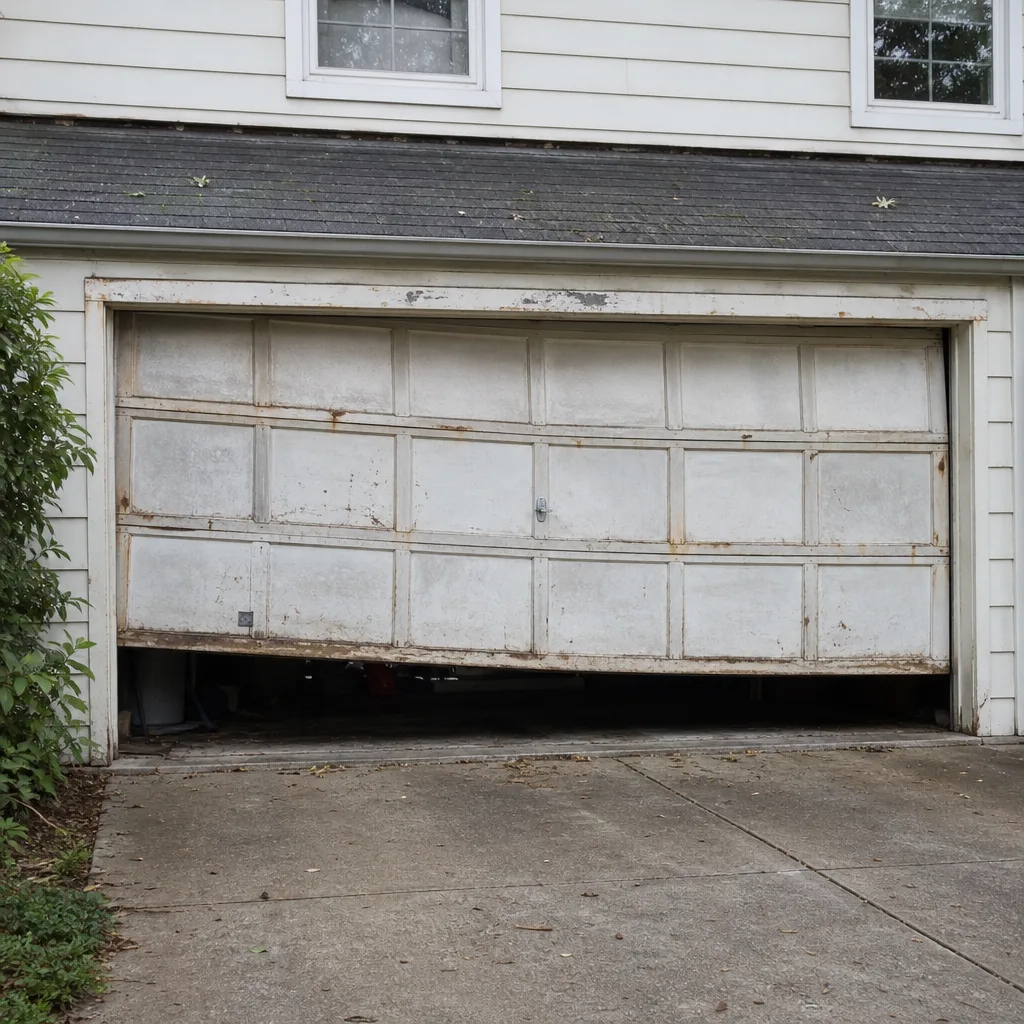
See the difference
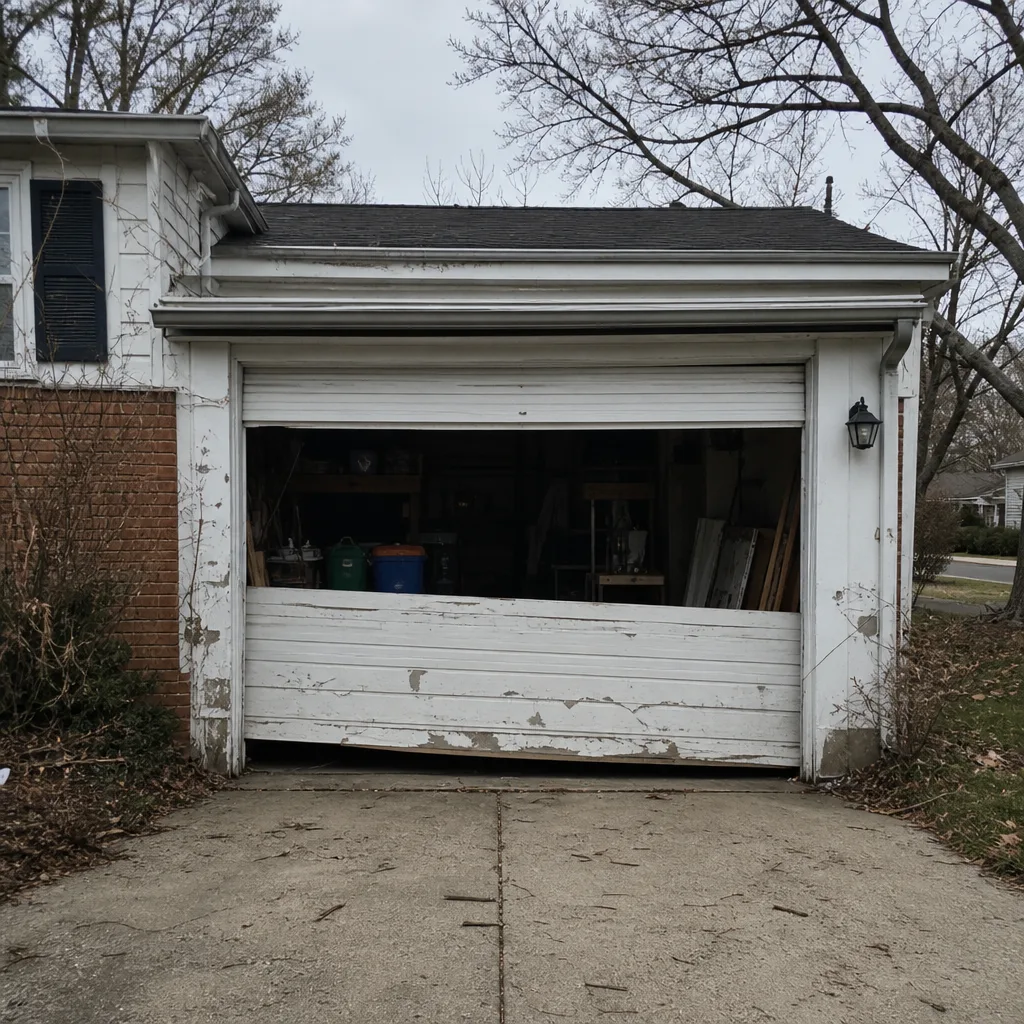 Before
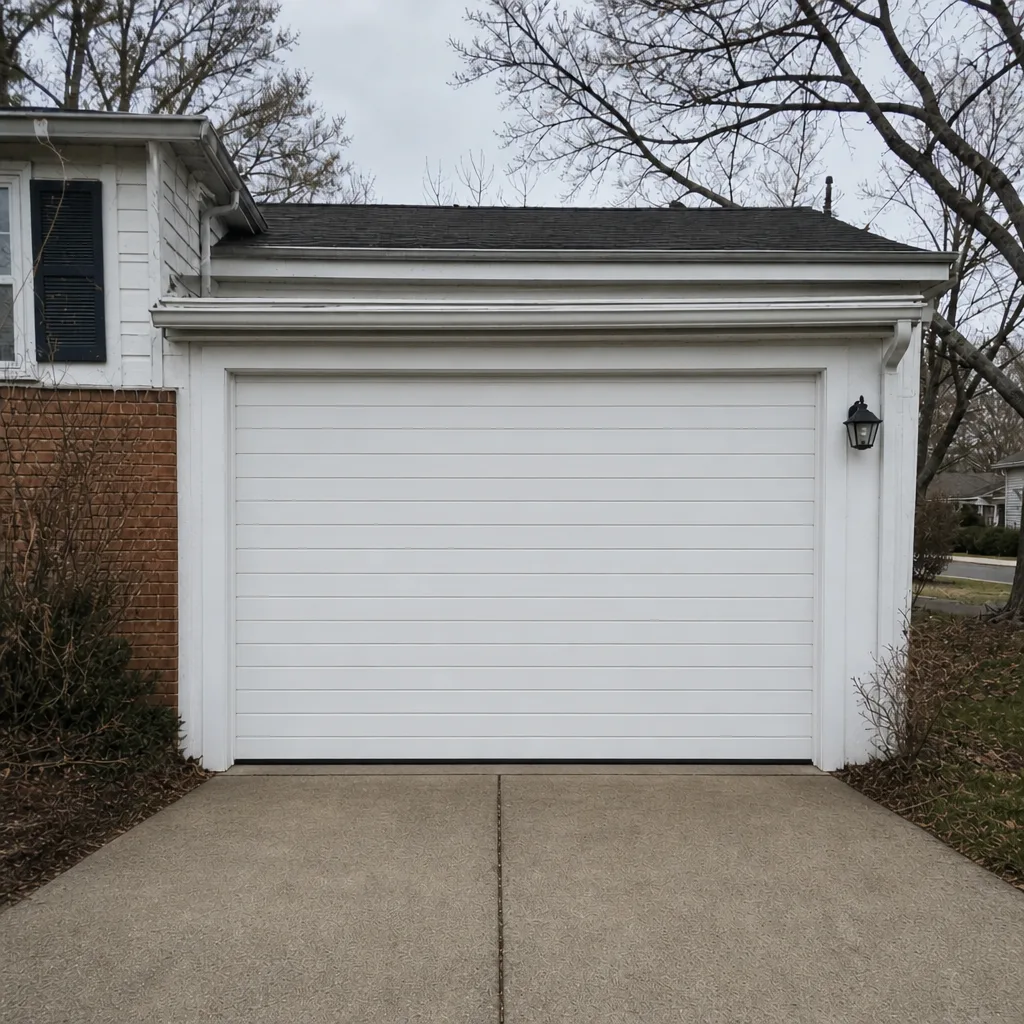 After
 Before
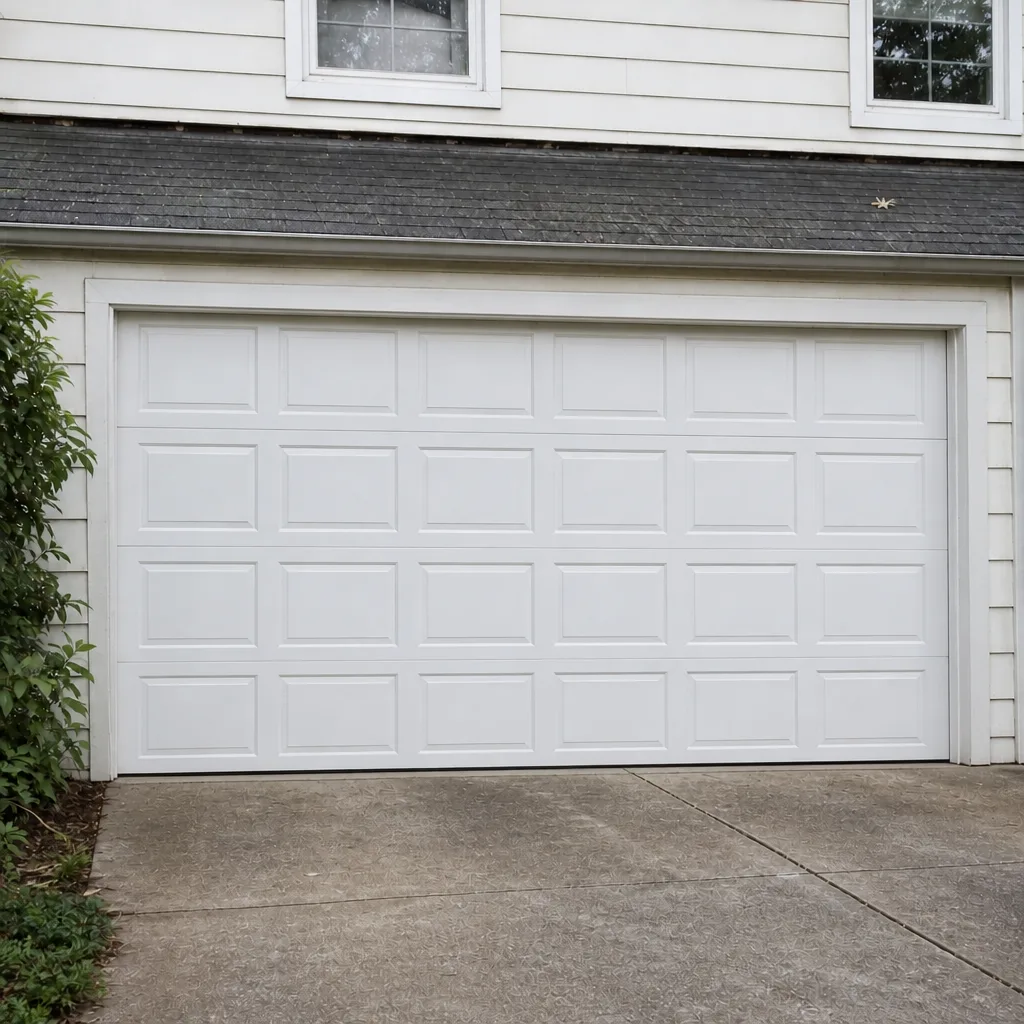 After
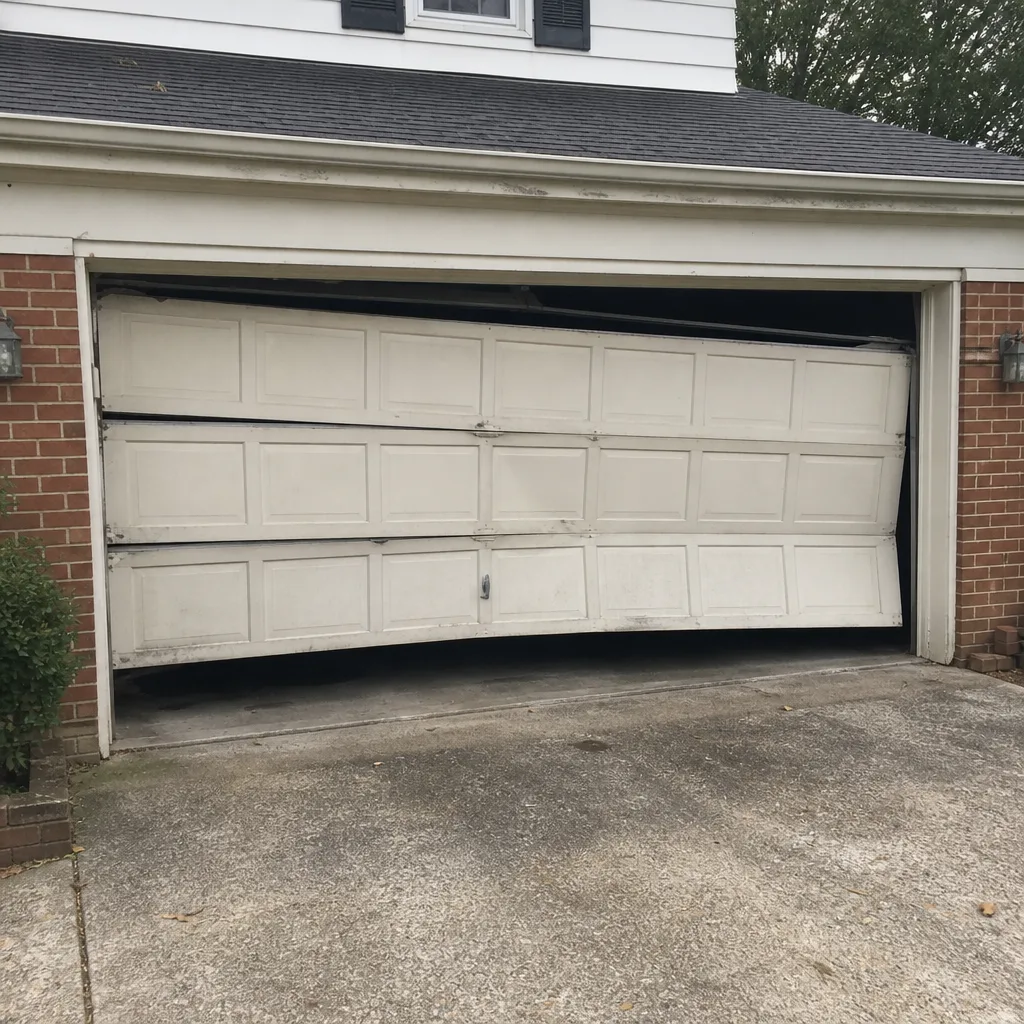 Before
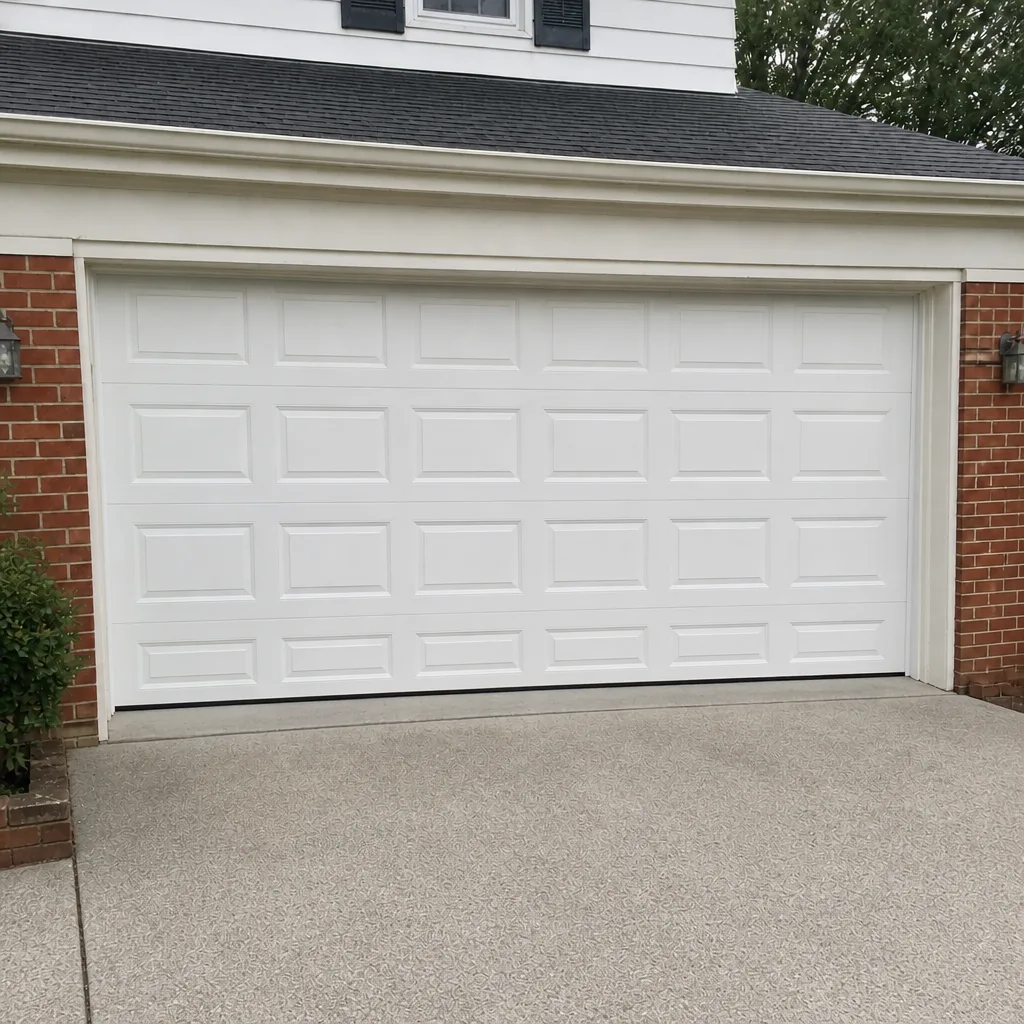 After
When to Call a Professional
Some garage door work is safe to handle yourself and some isn’t. Replacing a battery in a remote, aligning a safety sensor, or lubricating hinges and rollers are reasonable DIY jobs. Spring work is not one of them. Torsion and extension springs hold tremendous tension, and a spring that slips during a DIY repair can cause serious injury. That’s why garage door spring repair should always go to a trained technician, and why general handymen often decline it. The same goes for a door that’s come off its track, a panel that’s badly damaged, or an opener that’s stopped responding altogether. If your car is trapped inside or the door is stuck open overnight, that’s a security and safety problem you don’t want to sit on.
Bethesda Garage Door Repair Co offers free estimates in Bethesda – call (855) 550-7581. We handle repairs, opener service, spring replacement, and new installation, and the price is quoted and agreed before any work starts. Our technicians have up to 12 years of experience and work on the major brands: LiftMaster, Chamberlain, Genie, Clopay, Amarr, Wayne Dalton, Craftsman, and Raynor.
Frequently Asked Questions
For most attached garages in Bethesda, a steel Clopay or Amarr door with a solid insulation rating is the practical pick, because both have strong local parts support and broad model ranges. Wayne Dalton and CHI are worth considering for specific models or heavier steel. The right brand depends more on your garage’s exposure and parts availability than on prestige. Call (855) 550-7581 for an exact quote – estimates are free.
Not a different brand necessarily, but often a different material and insulation level. Detached garages that aren’t climate-controlled can use lighter, less insulated doors, which usually means a lower-cost model from any of the major brands. Attached garages that share walls with living space benefit from insulated steel regardless of brand. The garage’s exposure to sun and weather should guide the choice.
Usually yes, but it depends on the door’s weight and the opener’s capacity. An aging opener sized for a light door may struggle with a heavier insulated steel door. If you have a LiftMaster or Chamberlain opener, models that support myQ generally work well with a range of doors. For Genie’s Aladdin Connect or older Craftsman units, confirm compatibility before you buy. If you’re unsure, we can check during garage door opener repair or a new-door measure.
For an attached garage on an exposed lot, yes – the door is part of the structure shielding the living space, so a higher wind load rating is a reasonable safety consideration. For detached garages or sheltered lots, it matters less. Your city’s building department is the authority on what, if anything, your situation requires. Ask your installer to show you the door’s design pressure on the spec sheet.
Ask your installer directly whether they stock the brand’s panels and hardware or order per job, and how far the nearest distributor is. Brands with broad dealer coverage in the DC/Maryland metro, like Clopay, tend to have parts closer at hand. Brands with narrower coverage may require factory orders for less common parts. You can also call us at (855) 550-7581 and we’ll tell you what we see on parts for a specific brand.
High-quality insulated steel doors typically run in the low thousands, but the exact figure depends on size, material, insulation level, and installation requirements, so a written estimate is the reliable number. The price is quoted and agreed before any work starts, and the written estimate sets the final price. Removal and disposal of an old door add to the total. Call (855) 550-7581 for a free measure and a written price.
The Bottom Line
The right garage door brand for your Bethesda home comes down to fit, not fame. Match your material to your garage’s exposure – insulated steel for attached spaces, lighter options for detached or shaded ones. Choose a brand whose parts can actually reach the DC/Maryland metro when something breaks. Read the spec sheet for insulation, gauge, and warranty instead of trusting the brochure. Confirm your opener can handle the new door. And remember that the installer who supports your brand matters as much as the brand itself. If your current door or opener has started to fail, or you’re ready to plan a replacement and want honest guidance on which brand fits your garage, call Bethesda Garage Door Repair Co at (855) 550-7581 for a free estimate. The price is quoted and agreed before any work starts, and we work on the eight major brands already in garages around Bethesda. For a broader look at everything we handle, start at Bethesda Garage Door Repair Co.
Written by the team at Bethesda Garage Door Repair Co.