Last updated November 23, 2026
 Raised-panel steel
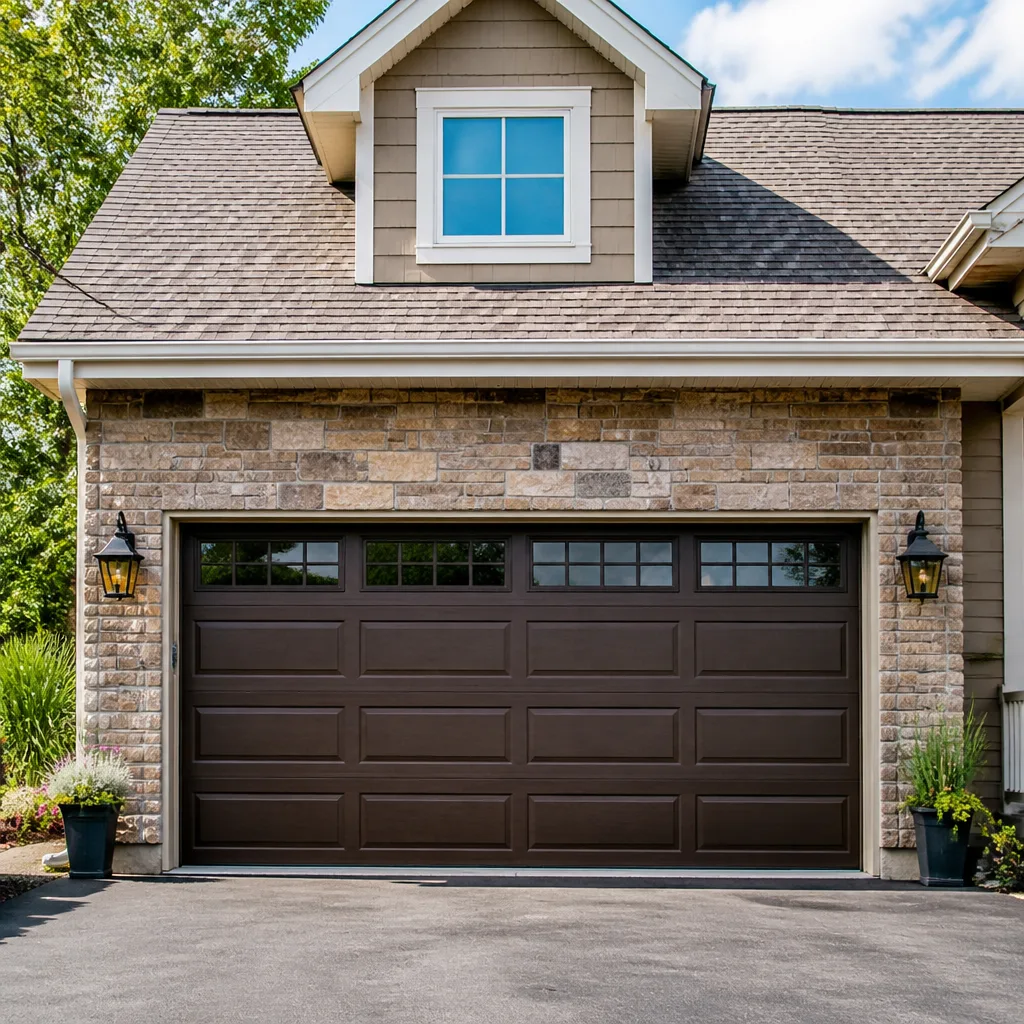
 Carriage house
 Modern flush
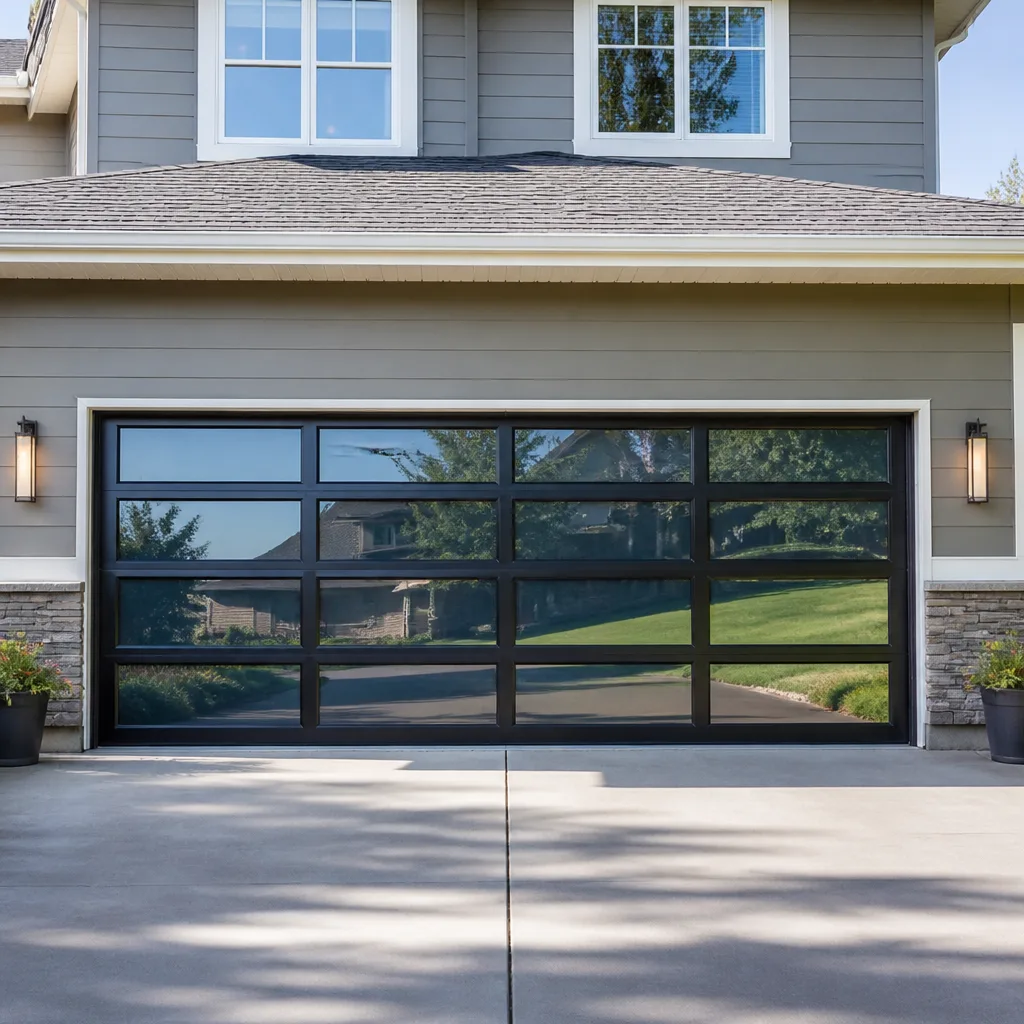 Full-view glass
 LiftMaster openers
 Chamberlain openers
Full 25-point door and opener safety check with every visit - springs, cables, rollers, tracks, and your LiftMaster or Chamberlain opener included
You get a price before we start. It does not change when the pro arrives.
Get your free estimateGarage Door Warning Signs: A Bethesda Homeowner’s Reference Guide
A garage door that hesitates for half a second before it moves isn’t “getting old.” It’s telling you the spring tension is off-balance, and within weeks that asymmetry will start stripping the opener gear set. Most of the expensive failures we get called out for in Bethesda were audible and visible long before the door stopped working. The spring didn’t snap out of nowhere. The cable didn’t derail on its own. The opener didn’t burn out overnight. What happened is that nobody read the warning signs in time. This guide teaches you to read them: the sounds, the movements, and the visual cues that precede the three most expensive garage door failures. Read it once, keep it handy, and you’ll know when to watch and when to call.
Quick Answer
The three most expensive garage door failures (snapped springs, burned-out opener motors, and derailed cables) each announce themselves first through specific sounds, uneven movement, or visible wear. A grinding noise usually means worn nylon rollers, a popping noise points to spring coil fatigue, and a door that rises unevenly is a balance problem that will damage the opener if ignored. Two signs warrant a same-day call regardless of cost: a visible gap in a torsion spring, and a cable hanging slack on one side.
Styles & brands we work with
- Raised-panel steel
- Carriage house
- Modern flush
- Full-view glass
- LiftMaster openers
- Chamberlain openers
Table of Contents
- Sound-Based Diagnosis: What Your Door Is Telling You
- Visual Diagnosis: Spotting Wear Before It Fails
- Movement Diagnosis: Reading Uneven Door Travel
- Opener Behavior as a Proxy for Mechanical Trouble
- The Two Same-Day Warning Signs
- Bethesda Conditions That Speed Up Wear
- How to Build a Simple Inspection Routine
Sound-Based Diagnosis: What Your Door Is Telling You
Sound is the earliest diagnostic tool you have, and most homeowners ignore it for months because the door still opens. A healthy garage door makes a low, steady hum from the opener and a soft roll from the tracks. Anything else is information. The trick is learning to separate the three most common noises, because they point to three very different repairs. In our experience, the noise is usually the cheapest clue you’ll ever get.
Grinding: Nylon Roller Wear
A grinding or gritty sound, especially as the door travels up or down, usually means the nylon rollers have worn through and the metal stem is riding against the track. Left alone, that metal-on-metal contact gouges the track and adds load to the opener. Rollers are one of the least expensive parts on the door, which is exactly why grinding is worth catching early. If the grinding is accompanied by a slight wobble, check the roller brackets too.
Popping: Spring Coil Fatigue
A single sharp pop when the door starts to move, repeated each cycle, points to spring coil fatigue. On a torsion system, the pop is often a coil binding and releasing as it winds. On an extension system, it can be a stretched spring catching on its track. Either way, popping springs are a signal to stop cycling the door and have it looked at. This is one place where the cheap fix and the safe fix are the same fix.
Scraping: Track Misalignment
A scraping or dragging sound, often at one specific point in the door’s travel, usually means the track has shifted out of alignment. It might be a bent section, a loose bracket, or a track that has pulled away from the jamb. Scraping tends to get worse fast because the door is now wearing the track with every cycle. If you hear scraping plus see a gap between the roller and the track, that’s a call.
Visual Diagnosis: Spotting Wear Before It Fails
You don’t need to touch anything to do a useful visual inspection. Stand back, look at the door from the inside with the door closed, then again with it open. What you’re looking for are cables, springs, and hardware that look different from the way they looked last season. A visual check takes about two minutes and doesn’t require any tools.
Frayed Cables: Look at the Bottom Drum Wrap
Cables almost always start to fail at the bottom drum wrap, the point where the cable coils around the drum near the bottom corner of the door. That’s where the cable bends tightest and takes the most stress. Fraying shows up as broken strands sticking out like a brush, a flattened or kinked section, or rust bleeding through the cable jacket. A cable with even one broken strand should be treated as a cable that’s about to fail. Never touch a cable under tension to test it; that’s a job for a technician.
Spring Appearance: Rust, Gaps, and Stretch
Torsion springs should look even along their length, with no visible gaps between coils and no heavy rust. A visible gap in a torsion spring means the spring has lost tension or cracked, and the door is now being held by the opener and cables alone. Extension springs should be checked for stretch and for the safety cables that run through them. If those safety cables are missing or loose, that’s a code-adjacent problem worth fixing regardless of spring condition.
Hardware and Hinges
Loose hinges, worn bearing plates, and missing bolts are quieter warning signs but they compound. A hinge that’s lost a screw transfers load to its neighbors. A worn bearing plate adds friction to the torsion shaft. Neither is urgent on its own, but together they accelerate wear on the springs and opener. If your door has never had its hardware tightened, it’s probably overdue.
Movement Diagnosis: Reading Uneven Door Travel
Watch the door travel from fully closed to fully open without interruption. The top panel should rise at the same rate as the bottom panel. If one side gets ahead of the other, you’re seeing a balance problem, and balance problems are what kill openers. This is the single most useful thing a homeowner can observe, and it requires no tools at all.
What Uneven Rise Indicates
One side rising higher than the other during travel points to a spring or cable balance issue. On a torsion system, it often means one spring on a pair has lost more tension than its partner. On an extension system, it usually means one spring has stretched further than the other. Cables can also cause this if one is riding the drum differently from the other. Left alone, the opener compensates by working harder on one side, which is where motor and gear wear starts.
What a Door That Won’t Stay Up Means
If you can lift the door halfway by hand (with the opener disconnected) and it doesn’t stay put, the spring tension is wrong. A properly balanced door should hold roughly where you leave it. A door that drops on its own is undertensioned, and one that flies up is overtensioned. Both stress the opener and both are spring adjustments, not do-it-yourself jobs. On torsion springs especially, the tension is stored energy that can cause serious injury if handled without the right tools and training.
Jerky or Interrupted Travel
A door that moves in small jerks instead of a smooth glide is usually fighting a misaligned track, a worn roller, or a binding hinge. It’s less dangerous than a spring issue, but it’s a reliable predictor of opener failure if it goes unaddressed. Watch the door’s path along the tracks and note where the interruption happens; that location is the clue the technician needs.
Opener Behavior as a Proxy for Mechanical Trouble
Openers are often blamed for problems the door itself is causing. A straining opener is usually a symptom, not the disease. When the door’s mechanical load increases because of spring wear, roller drag, or track misalignment, the opener’s behavior changes before it fails. Learning to read those changes can save you the cost of a motor replacement that never needed to happen. Our garage door opener repair work starts by ruling out the door before we touch the motor.
Increasing Travel Time
If the door takes noticeably longer to open or close than it used to, the opener is working against more resistance. That resistance is almost always mechanical: springs, rollers, or tracks. LiftMaster and Chamberlain units in particular will start to slow before they trip a safety sensor or stop entirely. Treat a slow door as a door that needs mechanical service, not a motor that needs replacing.
Reversing Mid-Cycle
An opener that reverses partway through travel is usually responding to a safety sensor trigger, but it can also be a sign of motor overload protection kicking in. If the door reverses at the same spot every time regardless of obstructions, the opener is stalling on mechanical resistance at that point in the travel. Genie and Craftsman units often show this pattern when a hinge or track has shifted. Either way, it’s a signal to stop using the door until it’s inspected.
Lights Flickering or Dimming
Opener lights that flicker or dim during travel can be a wiring issue, but on older Raynor and Wayne Dalton systems they often signal the capacitor is weakening under load. The capacitor has to work harder as mechanical resistance increases. Before assuming the opener is done, have the door’s balance and roller condition checked. If the door is dragging, fixing that can extend the opener’s life considerably.
The Two Same-Day Warning Signs
Most of what you’ll find during an inspection can be scheduled. Two things cannot. These are the signs that mean you should stop using the door and call the same day, regardless of what the repair costs. The risk of waiting is disproportionate to the repair itself, and we’ve seen both of these turn into much bigger jobs when they were ignored overnight.
1. A Visible Gap in a Torsion Spring
A gap between the coils of a torsion spring means the spring has cracked or the winding has shifted. The door is now being held by cables and the opener alone, and the spring is storing energy that can release suddenly. Do not cycle the door, do not try to open it by hand, and do not attempt any adjustment. Call for service and keep people and vehicles clear of the door until a technician has evaluated it. This is the single most important warning sign in this entire guide. Our garage door spring repair team handles torsion and extension springs specifically because of the tension risk general contractors routinely decline.
2. A Cable Hanging Slack on One Side
A cable that has visibly come off its drum or hangs slack on one side means the door is no longer evenly supported. If the cable has fully derailed, the door may drop or twist. Even if it’s still hanging on, the door’s weight is now on the remaining cable and the opener. That’s an emergency, and the same-day response isn’t about speed for its own sake; it’s about not letting the remaining cable become the next failure. Our emergency garage door service exists for exactly these situations: a door stuck open leaves the house exposed, and a door stuck closed traps your vehicle inside.
Bethesda Conditions That Speed Up Wear
Garage doors live in the local climate whether we think about it or not, and Bethesda’s weather does specific things to the hardware. Winters here swing repeatedly between freezing nights and mild days, which cycles the metal components through expansion and contraction. That cycling loosens hardware, works hinges, and gradually shifts tracks. Summer humidity adds surface rust to cables and springs that weren’t well lubricated going into the season. Bethesda homes also tend to run garages under living space or attached to older construction, which means the doors get used heavily year-round rather than seasonally.
How Local Homes Age Differently
Older Bethesda neighborhoods near downtown and along the Wisconsin Avenue corridor often have original or single-upgrade hardware that’s now into its second spring cycle. Newer construction in the outlying areas tends to have modern openers and insulated doors, but those systems also have wear patterns: Wi-Fi-enabled LiftMaster and Chamberlain units, in particular, get cycled more because they’re convenient. In our experience, the most common Bethesda spring failure pattern is the original equipment on a home that’s had the door for a decade or more. If your door has never had a spring replacement, it’s on borrowed time, and the popping sound is the warning.
How to Build a Simple Inspection Routine
You don’t need to become a technician to catch most of what this guide describes. You need a two-minute routine once a season and a willingness to call when something is out of spec. Here’s how we’d suggest a Bethesda homeowner approach it. Remember that any time the door is under spring tension, the rule is: look, don’t touch.
- Listen first. With the door closed, run it once and stand still. Note any grinding, popping, or scraping. Write down where in the travel it happens.
- Watch the travel. Run the door fully open and fully closed. Watch whether both sides rise together. Note hesitation, jerks, and reverse points.
- Inspect cables at the bottom drum wrap. Look for fraying, kinks, and rust without touching the cable.
- Look at the springs. Note gaps between coils, heavy rust, and stretched extension springs. Check that safety cables are present on extension systems.
- Check hardware. Look for loose hinges, missing bolts, and bearing plates with visible play. Don’t tighten anything that’s under tension.
- Exercise the opener. Note any slowing, light flicker, or mid-cycle reversal. Clean the safety sensor lenses.
- Write it down. A dated note of what you saw and heard this season is the most valuable diagnostic tool a technician can walk in with.
If any of the same-day signs from the previous section show up during this routine, skip the remaining steps and call. Otherwise, a seasonally maintained door with a written record of its behavior is a door that will last much longer and cost much less to keep running. Our technicians have up to 12 years of experience with the major brands, including Amarr, Wayne Dalton, Craftsman, and Raynor, so whatever system is in your Bethesda garage, we’ve likely worked on it before. If you’re not sure whether something you’re seeing is normal, our garage door repair service handles inspections and can walk you through what to look at over the phone.
Common Mistakes to Avoid
- Ignoring the first pop. A popping spring is telling you it’s fatigued. Waiting for it to snap turns a spring replacement into a spring-plus-cable-plus-track job.
- Touching a torsion spring without the right tools. This is the most dangerous DIY mistake in the trade. The tension stored in a wound spring can cause serious injury in an instant.
- Blaming the opener for a door problem. Most “my opener is broken” calls turn out to be spring, roller, or track issues. Replacing the motor without fixing the door leaves the new unit straining on the same worn hardware.
- Skipping the safety cables on extension springs. If your extension springs don’t have safety cables running through them, that’s a missing safeguard worth correcting regardless of spring condition.
- Assuming the sensors are the problem every time the door reverses. Mid-cycle reversal at the same spot can mean motor overload, not a sensor. Test by watching where the door reverses.
- Treating a slack cable as a wait-and-see item. A cable that’s lost its drum wrap is a same-day call, not a weekend project. The remaining cable carries twice the load.
- Never lubricating any moving parts. Rollers, hinges, and bearing plates need periodic lubrication. Dry hardware wears faster and adds load the opener has to overcome.
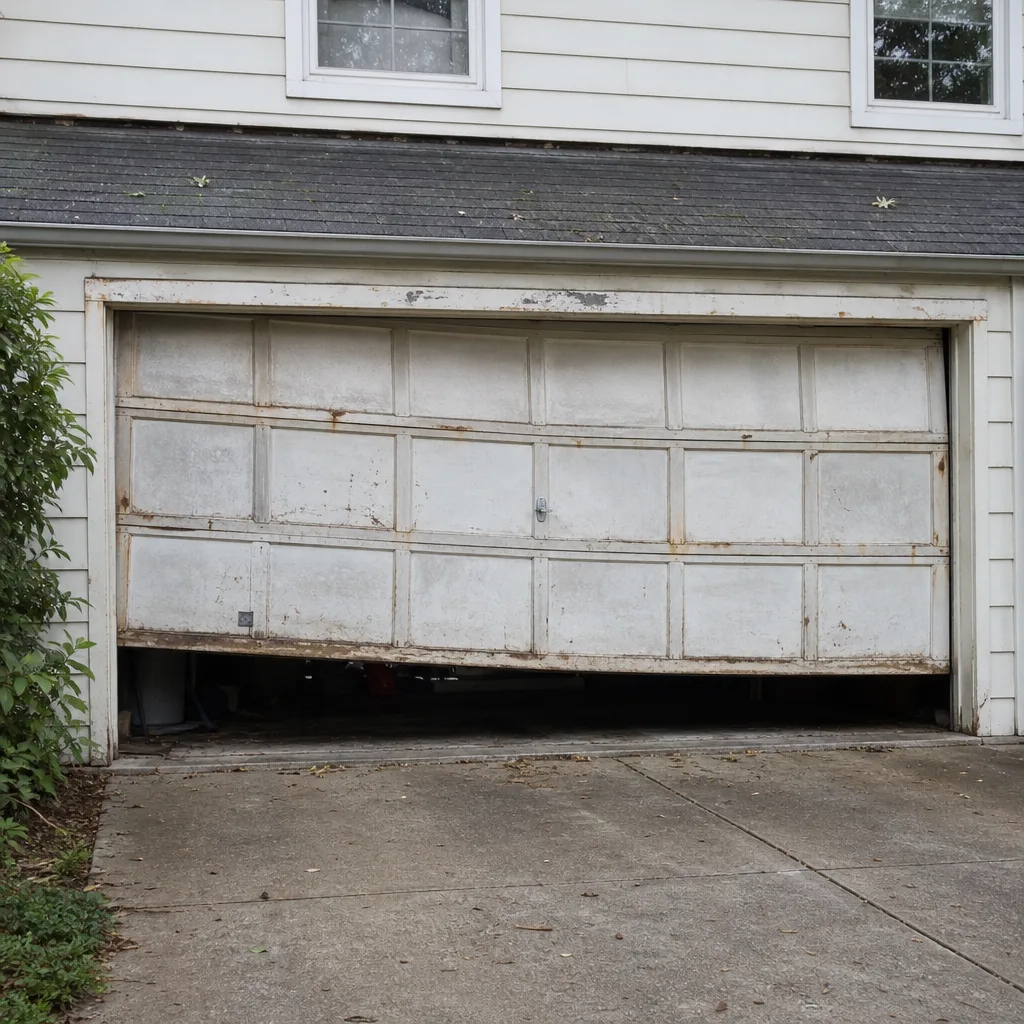
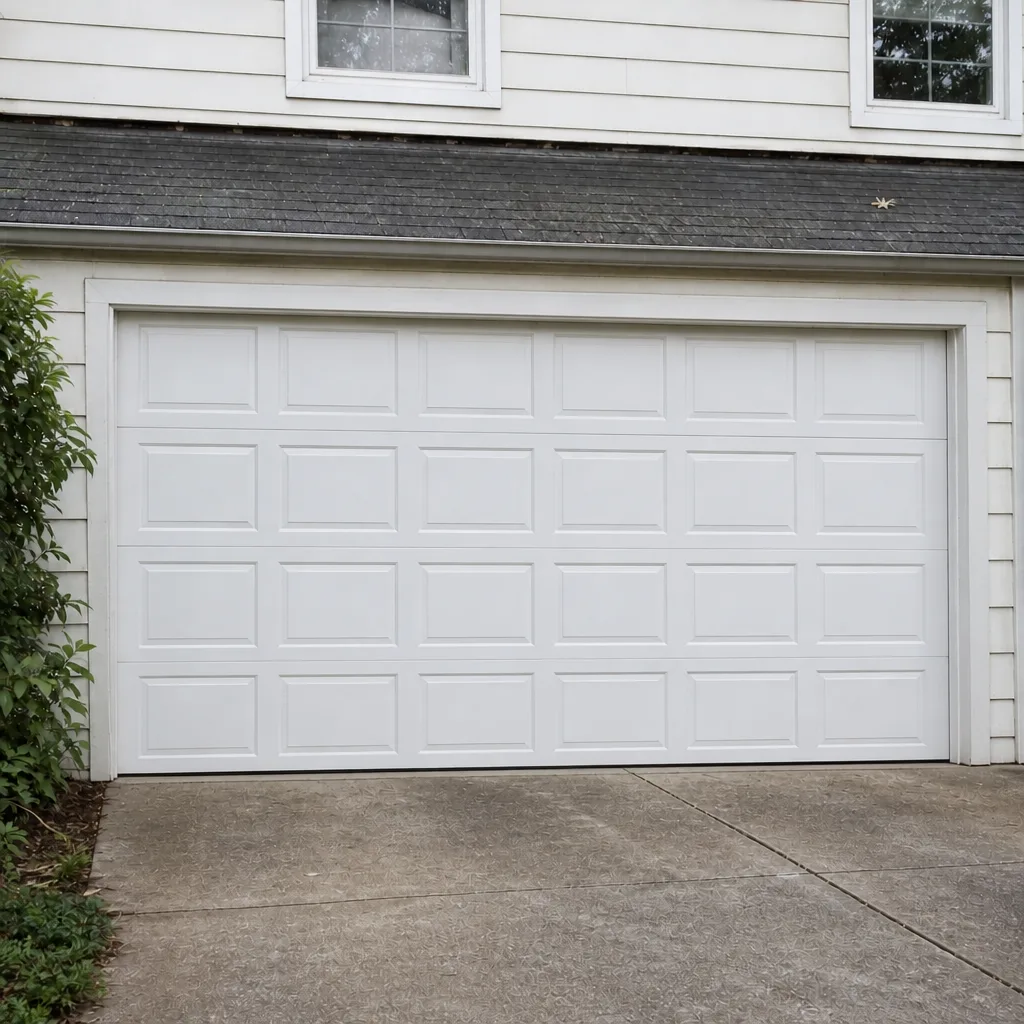
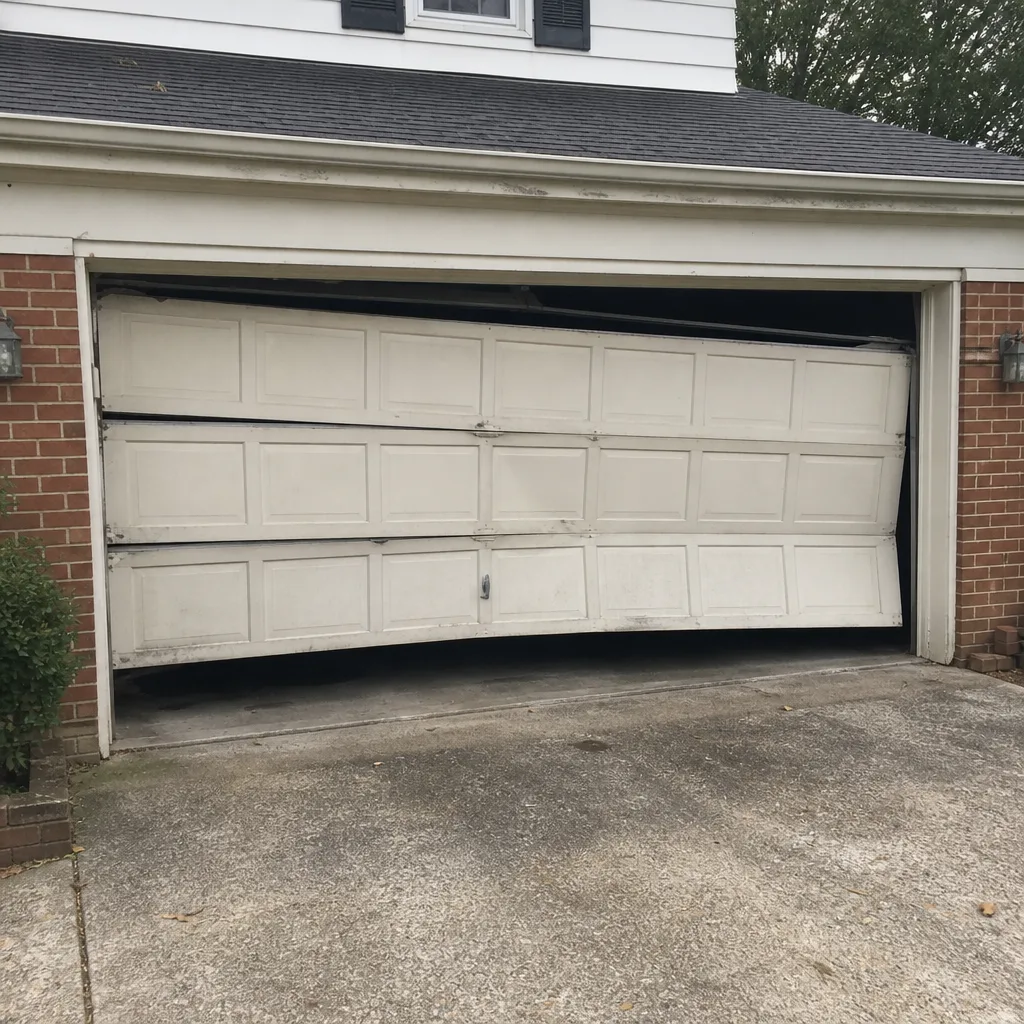
See the difference
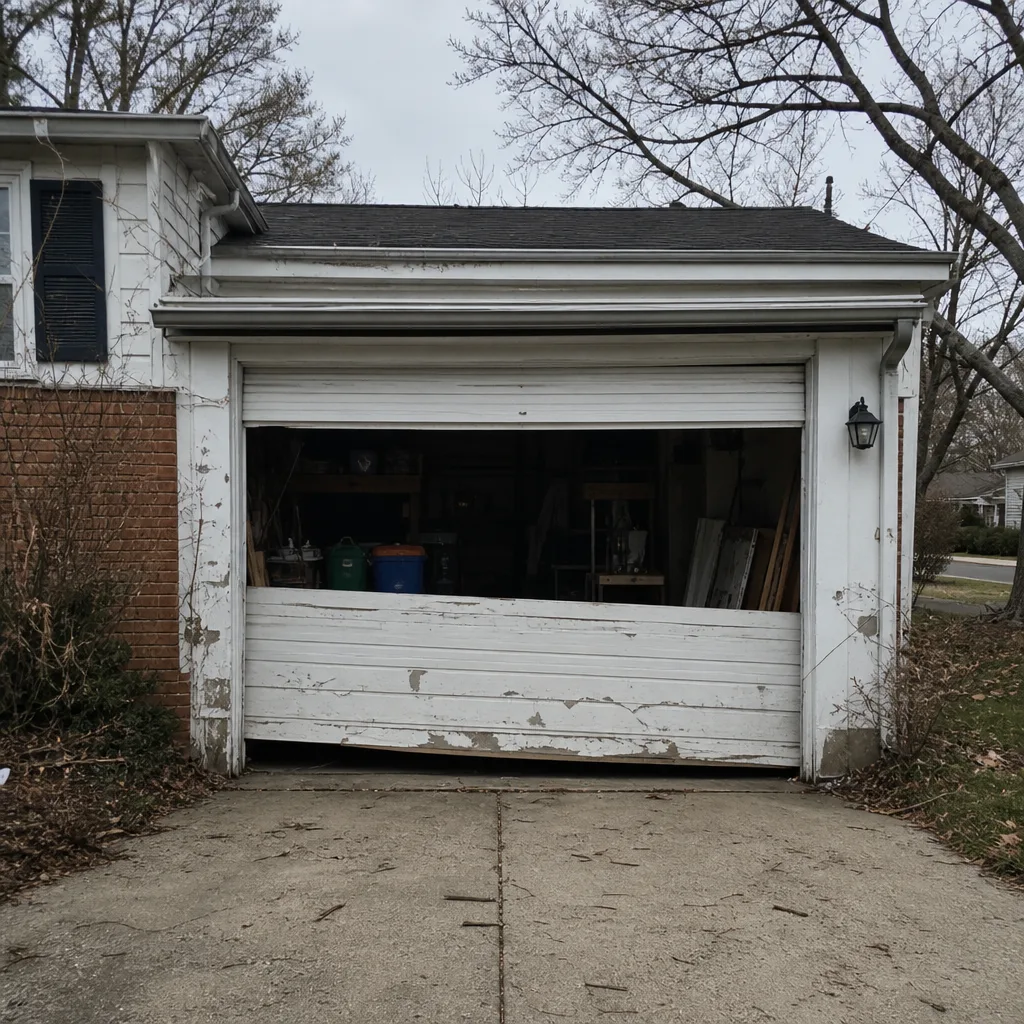 Before
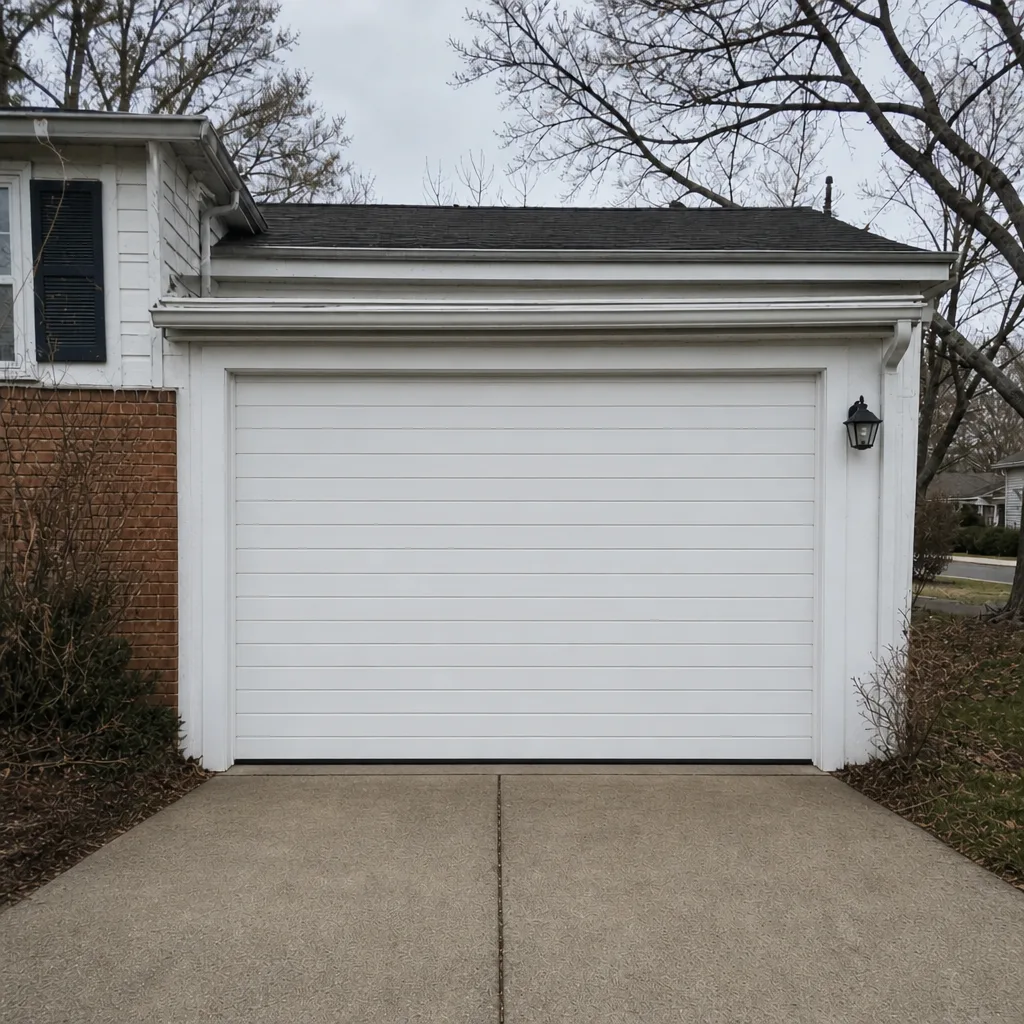 After
 Before
 After
 Before
 After
When to Call a Professional
Call a professional the moment you see a gap in a torsion spring, a cable that’s come off its drum or hangs slack on one side, or a door that reverses mid-cycle at the same spot every time. Call the same day if the door is stuck open or closed and you can’t leave it that way overnight. Call within the week for persistent grinding, a door that rises unevenly, an opener that’s slowing down, or any noise that’s new since last season. For a tune-up or a full inspection before something fails, we handle those as scheduled work. Bethesda Garage Door Repair Co offers free estimates in Bethesda. Call (855) 550-7581 and we’ll get you a written price before any work starts. For spring-specific concerns, that’s a dedicated part of our service, and it’s one we take seriously.
Frequently Asked Questions
A single popping sound when the door starts to move is usually the first sign of spring fatigue, followed by slow opening or uneven travel. Once you hear the pop, stop cycling the door and have it inspected. If you also see a visible gap between coils on a torsion spring, treat it as a same-day call. Call (855) 550-7581 for a free estimate.
No. Torsion springs in particular store enormous energy under tension, and adjusting them without specialized tools and training can cause serious injury. This is why spring replacement is a specialized service and why general contractors decline the work. Leave torsion and extension spring work to a technician. Call (855) 550-7581 if your spring is showing warning signs.
It can be either. Uneven rise usually means one spring has lost more tension than its partner on a pair, or one cable is riding the drum differently from the other. Either condition adds load to the opener and accelerates wear on both. Have it diagnosed before the opener is damaged. Call (855) 550-7581 for a free estimate.
If the reversal happens at the same spot every time regardless of obstruction, the opener is likely tripping on mechanical resistance somewhere in the door’s path. That’s usually a misaligned track, a worn roller, or a hinge that’s binding. If it’s intermittent, it may be the safety sensor. Have both checked. Call (855) 550-7581 to book an inspection.
In most cases, the opener is fine and the door is the problem. Slow travel, light flicker, and mid-cycle reversal are almost always symptoms of increased mechanical load from springs, rollers, or tracks. Replacing the opener without fixing the door leaves the new unit working just as hard. Diagnose the door first. Our garage door opener repair service starts there.
Yes, if it’s one of the eight major brands we work on daily, which includes LiftMaster, Chamberlain, Genie, Clopay, Amarr, Wayne Dalton, Craftsman, and Raynor. Our technicians have up to 12 years of experience across these systems, and we work on what’s already in your garage rather than steering you toward a replacement for inventory reasons. If your system is unknown, we can still diagnose it. Visit Bethesda Garage Door Repair Co for our full scope, or garage door repair if you want to book an inspection. Call (855) 550-7581.
The Bottom Line
Garage doors don’t fail without warning; they fail without noticed warning. The sounds you hear (grinding, popping, scraping), the way the door travels, and the behavior of your opener are all early diagnostics if you know what to look for. Two signs need a same-day call every time: a visible gap in a torsion spring, and a slack cable on one side. Everything else on this list can be scheduled, and catching it early is what keeps a small repair from becoming an expensive one. Read the signs, do the seasonal inspection, and call when something is out of spec.
Contact
If you’re a homeowner in Bethesda and something on your door is telling you it needs attention, call us at (855) 550-7581 for a free estimate. We’ll send a technician familiar with your brand, diagnose the issue in plain language, and give you a written price before any work begins. From a grinding opener to a full new door, we handle the whole scope, all under one call. If you’re not sure whether it’s urgent, call anyway and we’ll help you decide.
Written by the team at Bethesda Garage Door Repair Co.