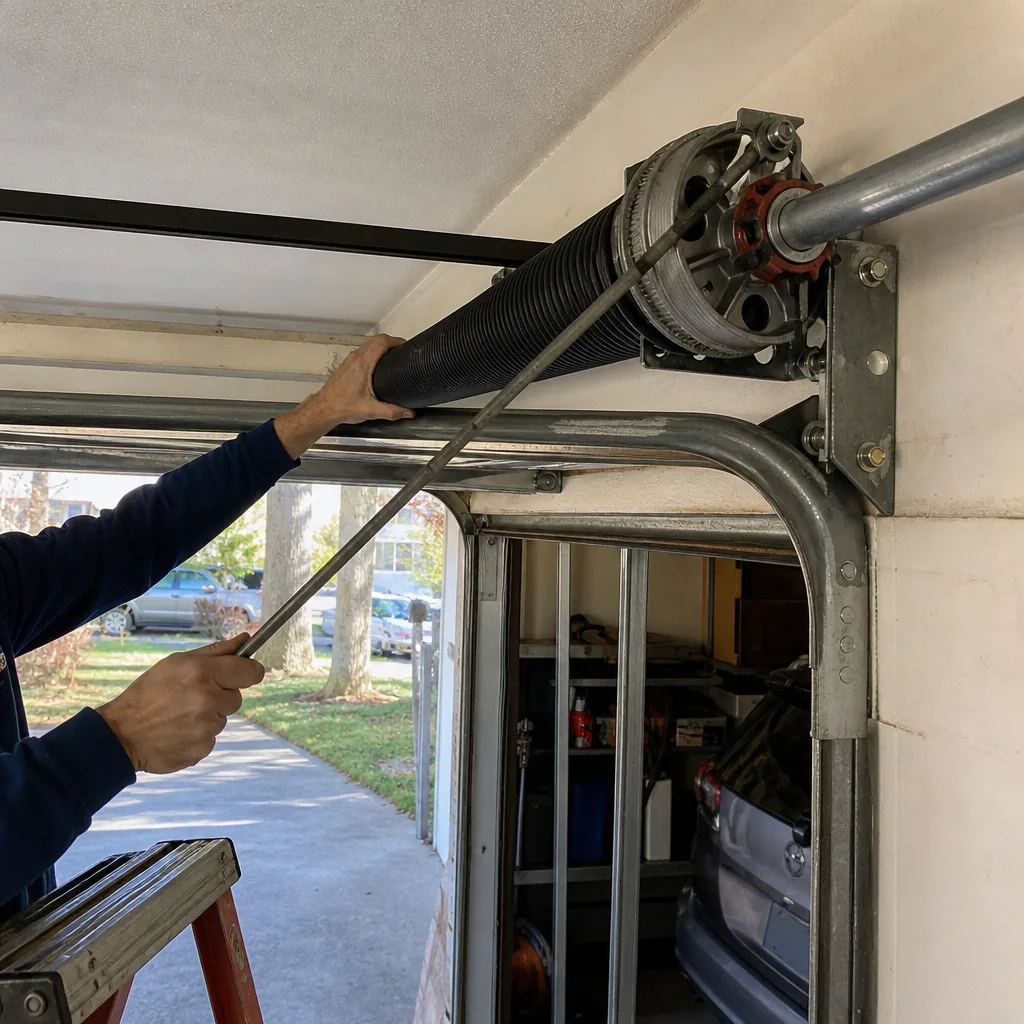
Last updated November 23, 2026
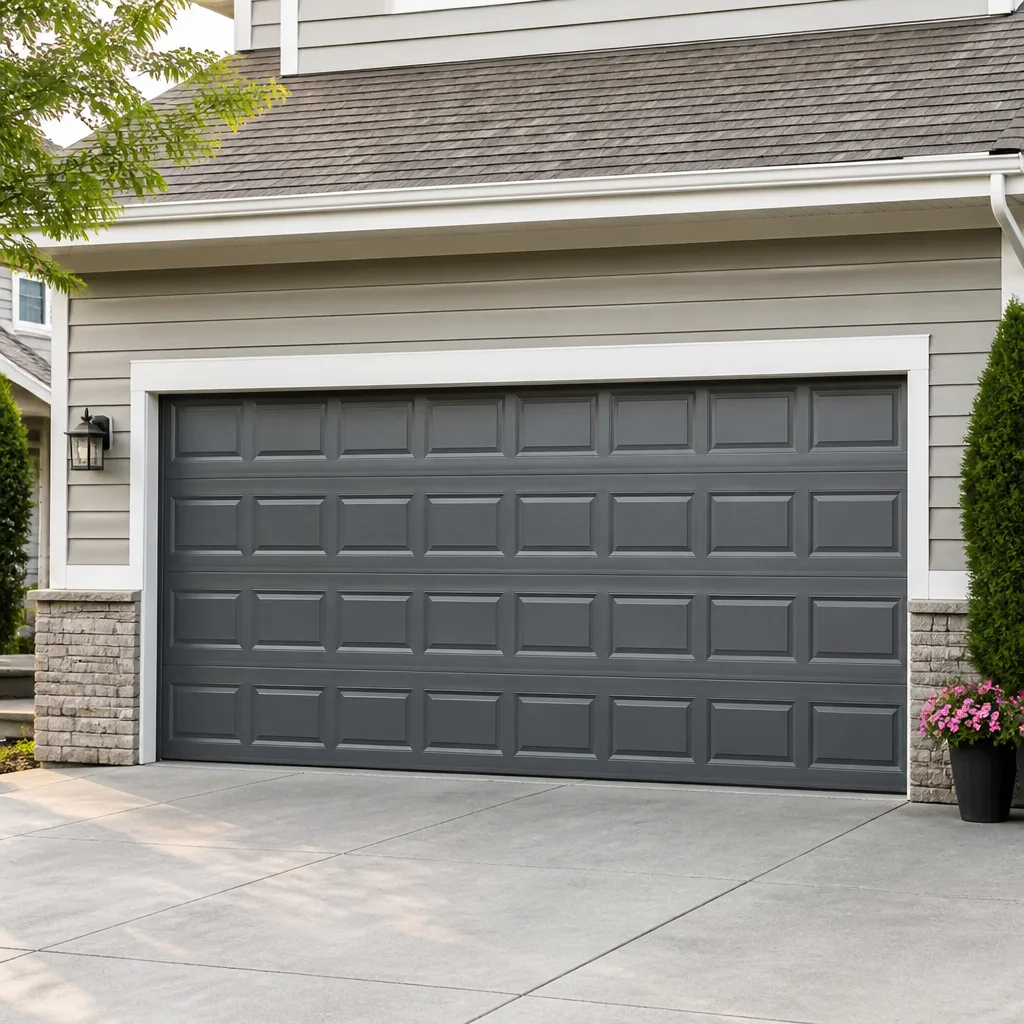 Raised-panel steel
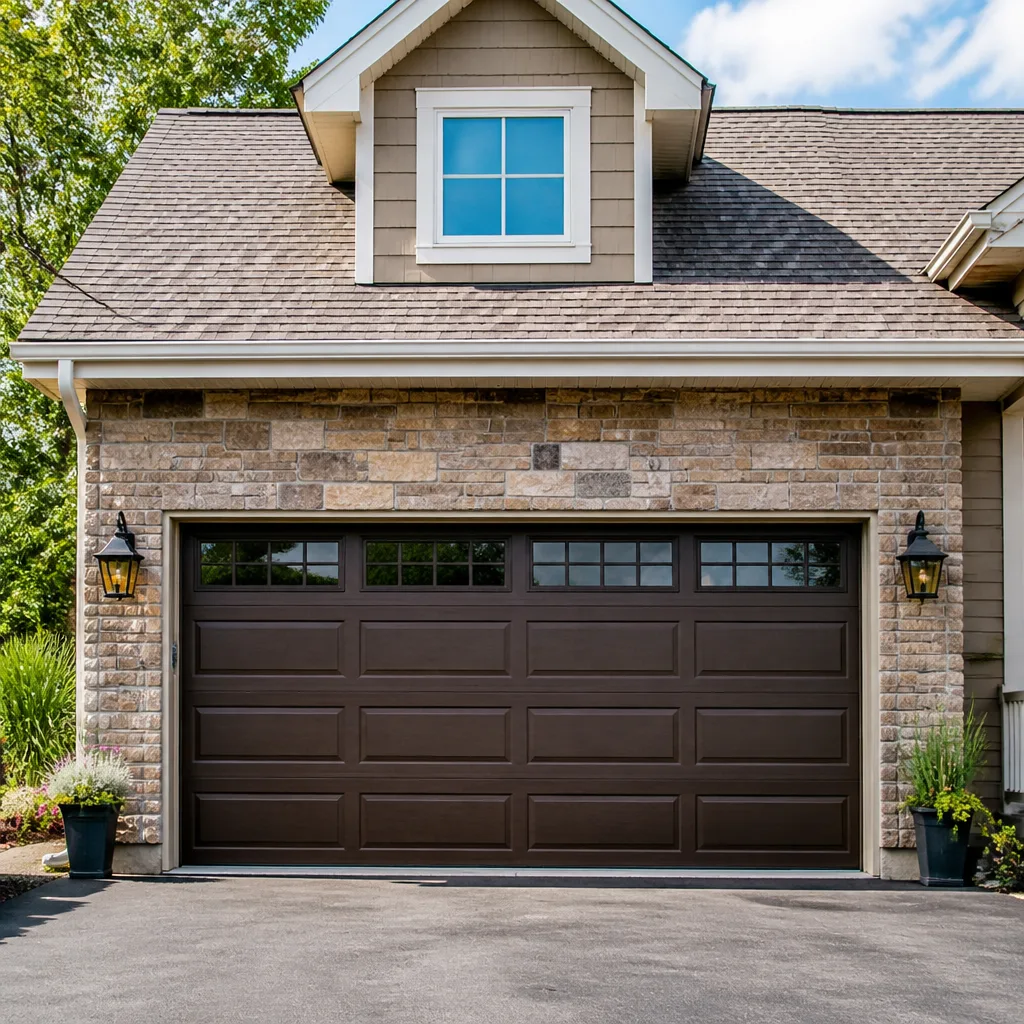
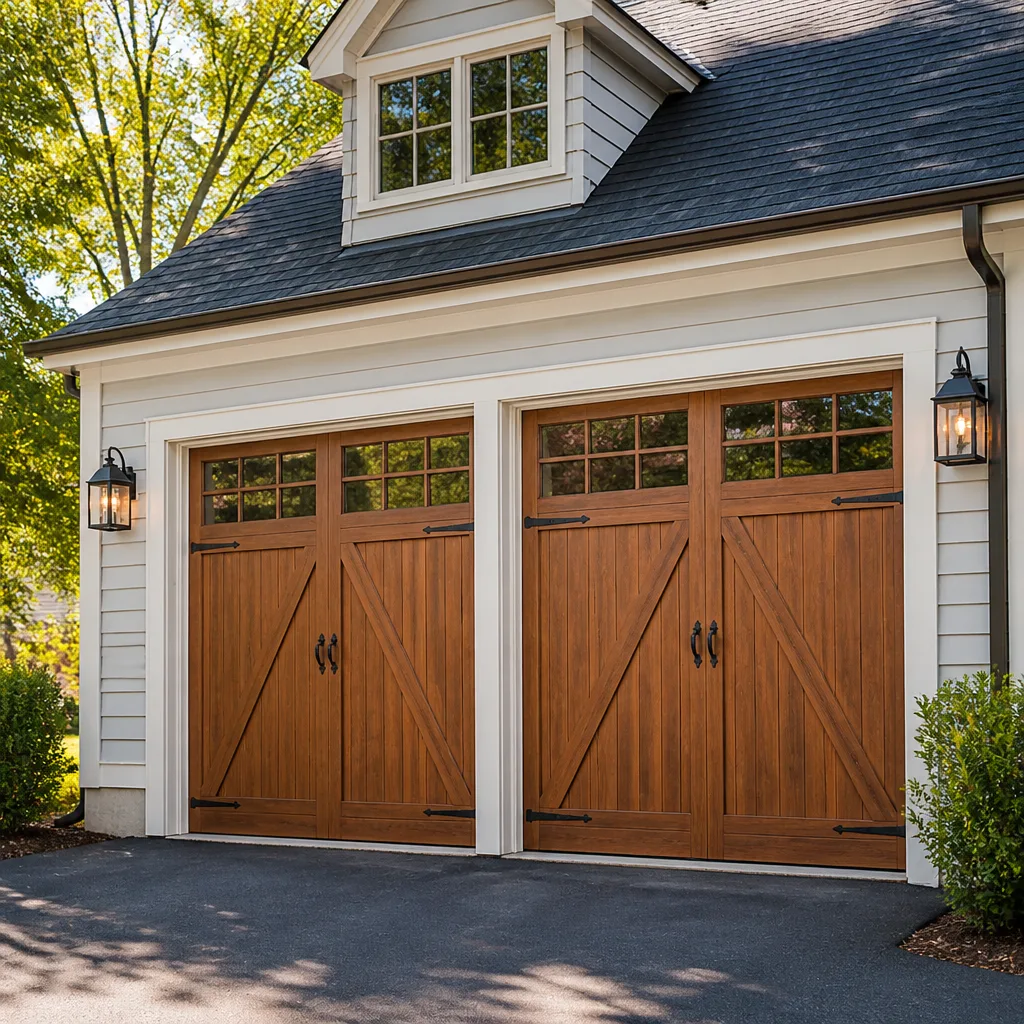 Carriage house
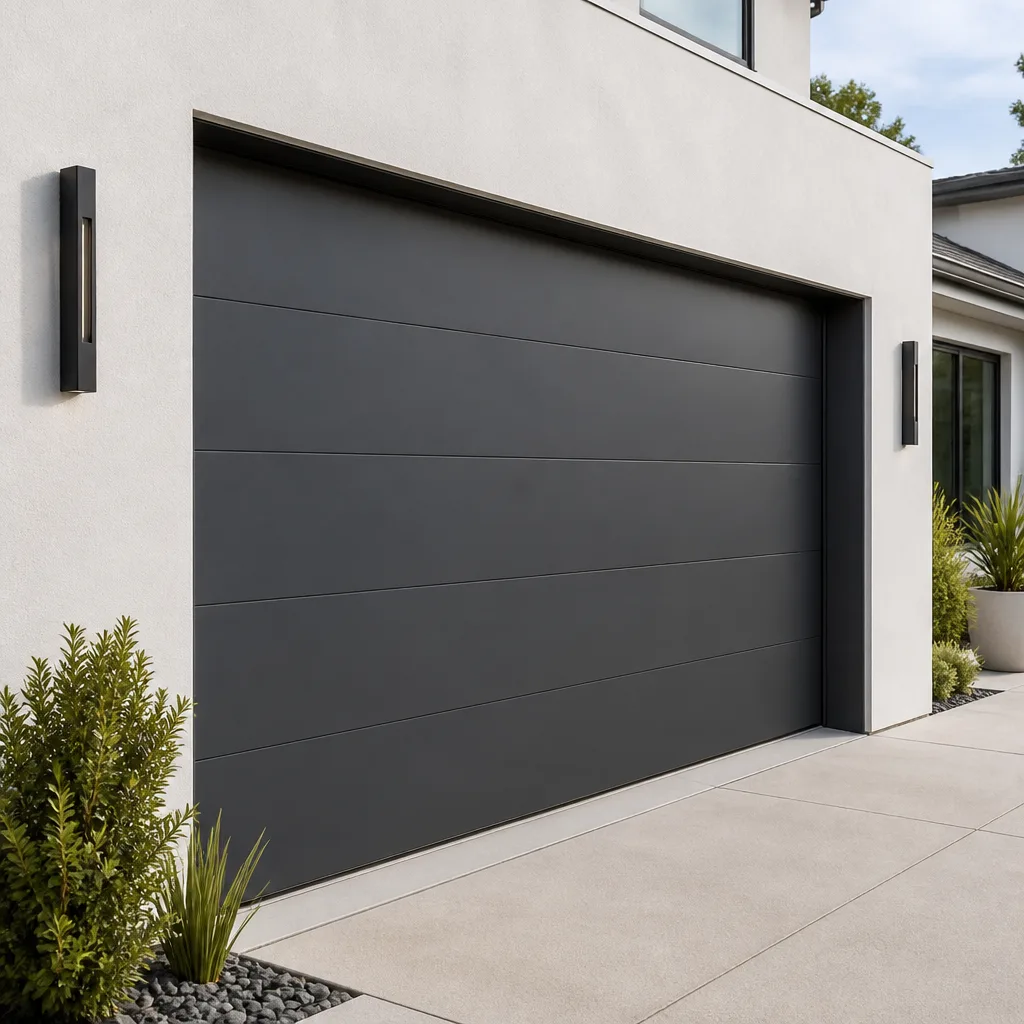 Modern flush
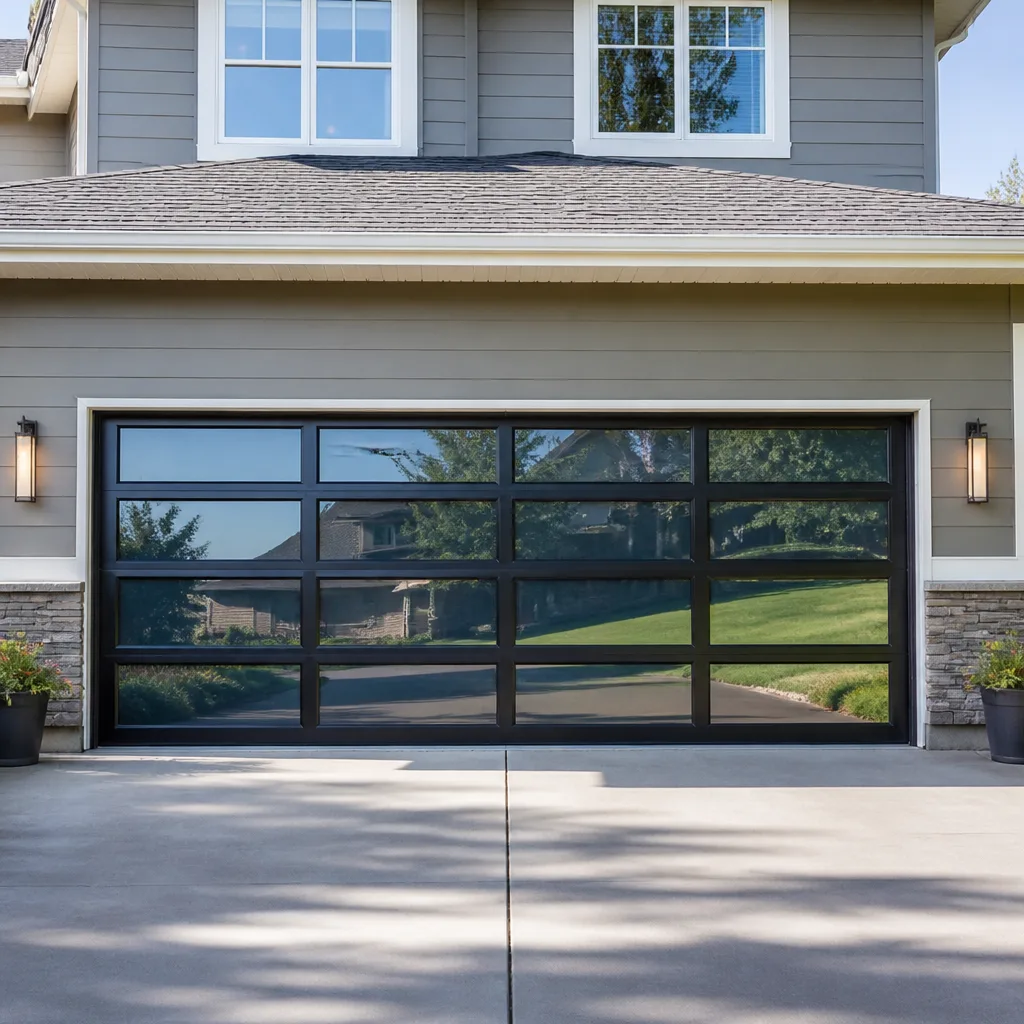 Full-view glass
 LiftMaster openers
 Chamberlain openers
Full 25-point door and opener safety check with every visit - springs, cables, rollers, tracks, and your LiftMaster or Chamberlain opener included
You get a price before we start. It does not change when the pro arrives.
Get your free estimateGarage Door Permits, Codes & Inspections in Bethesda, MD: What You Need to Know
Most Bethesda homeowners assume a garage door is like a dishwasher: you replace it, it’s your property, and nobody else needs to weigh in. That assumption is where trouble starts. In Montgomery County, a garage door replacement isn’t always a straight cosmetic swap, and the line between “swap” and “structural alteration” is exactly where permit requirements kick in. If you replace your garage door and opener without a permit when one was required, that unpermitted work can surface as a defect in a title search, and in Bethesda’s real estate market, buyers’ agents know to look. This guide explains when a permit is triggered, what a county inspection actually checks, how fire-rated requirements apply to garages sharing a wall with living space, and how to clean up work a previous owner left behind.
Quick Answer
In Montgomery County, replacing a garage door in kind on the same opening is usually treated as ordinary repair and does not require a permit, but any work that alters the structure of the opening, changes the header, adds or removes framing, or touches a fire-rated assembly typically does require one. Inspections, when they apply, focus on safe spring anchoring, track attachment, and header and clearance dimensions rather than on the finish of the door itself. When in doubt, call the county’s building department directly before you buy the door.
Styles & brands we work with
- Raised-panel steel
- Carriage house
- Modern flush
- Full-view glass
- LiftMaster openers
- Chamberlain openers
Table of Contents
- When Does a Garage Door Replacement Need a Permit in Montgomery County?
- Cosmetic Swap vs. Structural Alteration: Where the Line Sits
- Fire-Rated Requirements for Garages That Share a Wall With Living Space
- WSSC and HOA Rules That Layer on Top of County Code
- What a County Inspection Actually Checks
- How to Permit Work a Previous Owner Did Without One
- Choosing a Garage Door Contractor Who Knows the Code
- What This Means When You Sell Your Bethesda Home
When Does a Garage Door Replacement Need a Permit in Montgomery County?
A garage door replacement needs a permit in Montgomery County when the work changes the structure of the opening, and generally does not when you’re replacing a door of like size and type on an existing, unmodified opening. The deciding factor is not the price of the door or how large it is. It’s whether the work is a swap of a component or a change to the building’s structure. A door of the same width and height going onto the same track anchors, with the same header above it, is typically repair. A wider opening, a raised header, new framing, or a conversion from one door type to another is typically construction, and construction gets reviewed.
We’ve seen this confusion play out in Bethesda neighborhoods where homes were built in the middle of the last century and then added onto. A 1950s ranch in Glen Echo or a Cape Cod off Old Georgetown Road might have a garage opening that was modified at some point, and the homeowner buying the replacement door has no idea the opening was never quite what the original plans showed. That’s why we always look at the framing before we look at the catalog. It’s also one of the reasons we recommend a free on-site measure rather than a phone estimate on any door replacement: the number on the page and the number that comes out of a tape measure are often different, and the difference determines whether you’re filing for a permit.
Here’s the practical split, stated plainly:
- Usually no permit: replacing a door panel, one spring, an opener, rollers, hinges, or tracks in the existing position on an unmodified opening.
- Usually requires a permit: widening or raising the opening, altering the header, adding framing for a larger door, changing the door type in a way that changes the opening, or any work on a fire-rated wall assembly.
- Always worth a phone call: any structural change to the wall around the opening, or a door replacement in a converted space.
Because county rules can shift and individual situations vary, we never tell a homeowner “you definitely don’t need a permit.” We tell them to confirm with the county’s building department, and we tell them what the work will involve so that phone call is easy. The written estimate you get from us should always set the final price, and that estimate is based on what we see on-site, not on what a form asked.
Cosmetic Swap vs. Structural Alteration: Where the Line Sits
The phrase “structural alteration” sounds intimidating, but it means something specific: work that changes the load path, the framing, or the overall dimensions of an existing opening. A cosmetic swap does none of those. The confusion comes because a new door often looks bigger and better than the old one, and homeowners expect the paperwork to match the perceived significance of the work. It doesn’t work that way. The county reviews structure, not aesthetics.
In our experience across Bethesda, here’s how the distinction plays out when we’re standing in a driveway:
- The opening stays the same and the door type stays the same. This is a swap. No permit is typically required.
- The opening stays the same but the door type changes. For example, a solid door being replaced with a door that requires different track and spring geometry. This is often still treated as a swap, but it’s a gray area and worth confirming with the county before ordering.
- The opening gets taller or wider. That is structural. A permit is typically required because the header and framing change.
- The header is modified for any reason. That is structural. A permit is typically required.
- The garage is being converted to habitable space, or the wall between the garage and the house is opened up. That almost always triggers a permit and a review of the fire separation.
Bethesda has a lot of homes where the garage was once detached and later attached, or where a small garage was bumped out to fit a modern vehicle. Those are exactly the scenarios where the opening has already been altered, and where replacing the door is the moment it becomes obvious. If you suspect that history applies to your home in the Battery Park or Whitehall areas, mention it when you call. We can measure and let you know what we see, and you can decide whether to get the county involved before the door is ordered.
One more thing: the door itself has a label. If a door was manufactured with a label that states its fire rating, that label tells you whether it was built for a fire-rated opening. Walking out to look at that label takes thirty seconds and tells you which conversation you’re having. If it’s unclear, our technicians – who work on Raynor and LiftMaster doors regularly – can tell you what the hardware indicates.
Fire-Rated Requirements for Garages That Share a Wall With Living Space
If the wall between your garage and your living space is a fire-rated assembly, then any work that alters that wall – including a door replacement that changes it – needs to be handled with that rating in mind. Bethesda has a large number of townhomes and modified single-family homes where the garage shares a wall with the house, and in some cases the garage was added onto a structure that was originally built without one. In those homes, the wall between the two is not a decorative partition. It’s there to slow a fire long enough for people to get out.
This is where homeowners get caught off guard. They replace a garage door with a new one and don’t think about the wall the door is set into, or they finish a garage interior with drywall and change the wall assembly without realizing it was rated. When a permit inspection looks at fire separation, it’s checking that the layer between the garage and the occupied space still does its job. That can include the door’s own rating if the door sits in a rated wall. It can include any penetrations for wiring or plumbing. It can include the wall finish itself.
If your garage shares a wall with living space and you’re considering anything beyond a same-size door swap, the right move is to ask the county’s building department how the rating applies to your specific assembly. That’s not a question we can answer with certainty from the driveway, because we can’t see the wall construction behind the drywall. What we can do is tell you when the question applies, and that’s most of the value: it’s the question a lot of homeowners never think to ask until a buyer’s inspector asks it for them.
WSSC and HOA Rules That Layer on Top of County Code
Montgomery County isn’t the only authority looking at your garage, and that surprises people. Two other layers show up regularly in Bethesda, and both of them are worth checking before you start.
WSSC Water is the regional utility that handles water and sewer for Montgomery County and Prince George’s County. WSSC is not a building department and does not approve garage door installations, but WSSC has easements, meter locations, and infrastructure that run behind, under, and sometimes alongside driveways and garage structures in older Bethesda neighborhoods. If a project involves any ground disturbance near a WSSC easement, that’s a separate conversation. For a straight door replacement it usually doesn’t apply, but if your garage was built into a slope or abuts a utility trench, mention it to whoever you hire. It’s a five-second question that saves a long afternoon if the answer matters.
Homeowners associations are the second layer. Bethesda has a number of communities with architectural review requirements, and those requirements don’t care whether the county considers your project cosmetic. A classic example: the county might not require a permit for a same-size door replacement, but your HOA might require architectural committee approval for the door’s style, color, or window pattern. Those are two separate approvals. Passing one doesn’t get you the other.
Here’s a simple checklist for the HOA layer:
- Check your HOA’s architectural review rules before you order the door, not after.
- Ask what documentation the committee wants – typically a specification sheet and a color sample.
- Get the approval in writing and keep it with your home records.
- If the door’s style is changing at all, expect more scrutiny than a like-for-like swap.
Because we handle garage door repair and installation across Bethesda and meet a range of doors from Clopay and Amarr to Wayne Dalton and Raynor, we can usually tell you what documentation a homeowner will likely need for a given door. We can’t speak for your HOA, and we don’t – but we can get you the spec sheet.
What a County Inspection Actually Checks
A county garage door inspection, when one is required, is not looking at the paint or how quiet the door is. It’s checking that the structural and safety elements are correct. If you’re the homeowner and you’ve never been through one, here’s what you can expect the inspector to look at.
- Spring anchoring. The springs on a sectional door are under enormous tension, and the anchoring hardware at the ends of the torsion bar is what keeps them from becoming a hazard. An inspector looks at the mounting, the plate or bracket, and whether it’s attached through solid framing rather than just drywall or a thin layer of wood.
- Track gauge and attachment. The vertical and horizontal tracks need to be of appropriate gauge and securely attached at the right intervals. Thinner tracks, or tracks attached with too few anchors, can fail over time.
- Header clearance. The amount of space between the top of the door and the header above it matters for the hardware. An inspector will confirm the door fits and travels through the opening without interference.
- Track alignment and level. Tracks that are out of level or out of parallel will produce a door that binds. The inspector checks the geometry.
- Safety devices. If the door has an opener, the photo-eye sensors and the automatic reverse function are the standard safety checks, and their presence and condition are part of what the inspection will confirm.
- Fire separation, if the wall is rated. The inspector looks at the assembly between garage and living space when that assembly is part of the permitted scope.
In our experience, most failed inspections aren’t the result of bad equipment. They’re the result of anchoring and track attachment that wasn’t done to spec in the first place. That’s the technical reason we treat garage door spring repair as its own specialty rather than a task that gets handed to whoever’s on the job, and it’s why we always confirm that the anchoring on a repair will hold up to the same scrutiny as a new installation.
One safety note that bears repeating here: garage door springs are high-tension components, and the torsion or extension springs on a residential door can hold hundreds of pounds of force. That’s not a component to experiment with. A trained professional handles the springs, every time.
How to Permit Work a Previous Owner Did Without One
If you’ve bought a Bethesda home and discovered the garage system was modified by a previous owner without a permit, you can usually address it – the process starts with the county’s building department, not with the door. The first step is an honest inventory of what’s actually there. The second is to ask the county how they want to handle it. In many cases, unpermitted work that is safe and conforming can be brought into compliance through a permit application and inspection. In some cases it needs to be brought up to current standards first. The county decides, not the contractor.
We’ve watched this play out for buyers in Bethesda who only learned about the issue when their lender’s appraiser or the buyer’s inspector flagged it. The pattern is usually the same: a previous owner added a wider door, or replaced a door and opener at once with a different configuration, or finished a garage interior, and nobody pulled a permit. The current owner inherits the problem. That’s an uncomfortable spot to be in, and the strongest thing you can do is get ahead of it.
If you suspect unpermitted garage work, here’s a reasonable sequence:
- Read the disclosure and title documents from when you purchased the home. They sometimes mention unpermitted additions or give you a starting point.
- Look at the door, the opener, and the opening itself. New hardware on an old opening, or a wider opening than the original structure suggests, are clues.
- Call the county’s building department and ask what their process is for existing unpermitted work. Bring the details you have.
- Have the system inspected by a technician who can report on the current state of the springs, tracks, opener, and anchoring. This report gives you something concrete to work from.
- Do the work the county says is needed, get the permit, and get the inspection. Then keep the paperwork.
The biggest mistake in this scenario is waiting until you’re listing the house. Title searches are what bring unpermitted work to the top of the conversation, and discovering it during a pending sale means fixing it under time pressure, which is never the cheap way. Getting the paperwork straight now, while you have time, is the better trade.
Choosing a Garage Door Contractor Who Knows the Code
A garage door contractor who understands permitting is different from a contractor who happens to install doors. The difference is what they ask you on the first call. A brand-specialist company knows that the permit question isn’t just about the door, it’s about the opening, and they’ll ask about the framing and the wall assembly before they quote a price. That’s the standard to hold any contractor to.
Here’s what to look for:
- They ask about the opening, not just the door. Measurements of the existing opening, the header height, and the track anchors are the first things they should ask about.
- They can tell you what kind of work they believe triggers a permit, and they’ll say so before the work starts.
- They can handle the whole system – the door, the springs, the tracks, and the opener – because a change in one affects the others. Our team handles garage door opener repair and full installation on the same visit where the scope makes sense, on the major brands from LiftMaster and Chamberlain to Genie and Craftsman.
- They’ll tell you what you need to confirm with the county, and they won’t pretend to know what only the building department can tell you.
- They put the price in writing before any work begins. The estimate sets the final price.
- They’re not tied to one brand. We’re trained on eight major brands including Raynor and Genie, so we can recommend a door that fits the opening instead of the door the installer happens to stock.
We’re the team at Bethesda Garage Door Repair Co, and we work on what’s already in your garage. If it’s a Raynor door from the 1990s or a LiftMaster opener with a smart-home module, we know the hardware. The permit conversation is part of the work, and we’re comfortable being the company that brings it up. Our technicians have up to 12 years of experience, and we see this issue often enough to spot it in a driveway walk-around.
What This Means When You Sell Your Bethesda Home
When you sell a Bethesda home with unpermitted garage work, the issue is more likely than not to come up in a title search or a buyer’s inspection, and buyers’ agents in this market know what to look for. That means an unpermitted garage door or opener replacement can turn into a renegotiation, an escrow holdback, or a buyer walking. It’s rarely a small inconvenience.
The fix is straightforward if you start early. Get the paperwork in order while you’re still living there, not while a buyer is waiting. Have the door and opener inspected, ask the county how they want to handle any unpermitted work, pull the permit if one is needed, and keep the inspection record with the rest of your home files. That’s it. It’s not a story about a disaster. It’s a story about a file folder.
One thing we see a lot in Bethesda is homeowners who assume the door replacement they did a few years ago must have been permitted because the installer was professional. Professional installation and permitting are two different things. A very good installer can do very good work without a permit, and the work can still be unpermitted. The name on the invoice isn’t the record. The record is the record.
If you’re not sure whether you have a permit for work that was done before you owned the home, call the county. If you want a technician to come out and tell you what the current door and opener situation looks like, we’re happy to do it. That report is useful either way, because it tells you what you actually own before you try to sell it.
Common Mistakes to Avoid
- Assuming a same-size door replacement is always exempt. It usually is, but not always, because the exemption depends on the opening, not the door. A 1950s Bethesda garage that was enlarged at some point has an opening that isn’t original, and that changes the analysis.
- Ordering the door before asking the county. Door orders are typically custom, and once the door is fabricated and delivered, you’ve spent the money. If the opening needs a permit or an adjustment, you want to know that before the door is manufactured, not after.
- Forgetting the HOA layer. Neighborhoods with architectural review requirements don’t care that the county considers the work cosmetic. Get the approval in writing, especially if the door style or color is changing.
- Replacing a door into a rated wall without addressing the rating. Bethesda townhomes and modified homes often have a fire-rated assembly between the garage and living space. If you touch that wall, the rating is part of the conversation.
- Skipping the inspection on a same-size swap because “it didn’t need a permit.” Even without a permit, a thorough check of spring anchoring and track attachment is worth the time. If it’s been years since the door was last looked at by a professional, this is a good moment.
- Handing spring work to whoever’s available. Torsion and extension springs are high-tension hardware, and working on them without the right tools and experience is a real hazard. Reach out to a specialist, not a generalist.
- Waiting until you’re listing the house. Title searches find unpermitted work. If you know or suspect there’s an issue, get it in front of the county while you still have time to deal with it without a buyer’s timeline over your head.
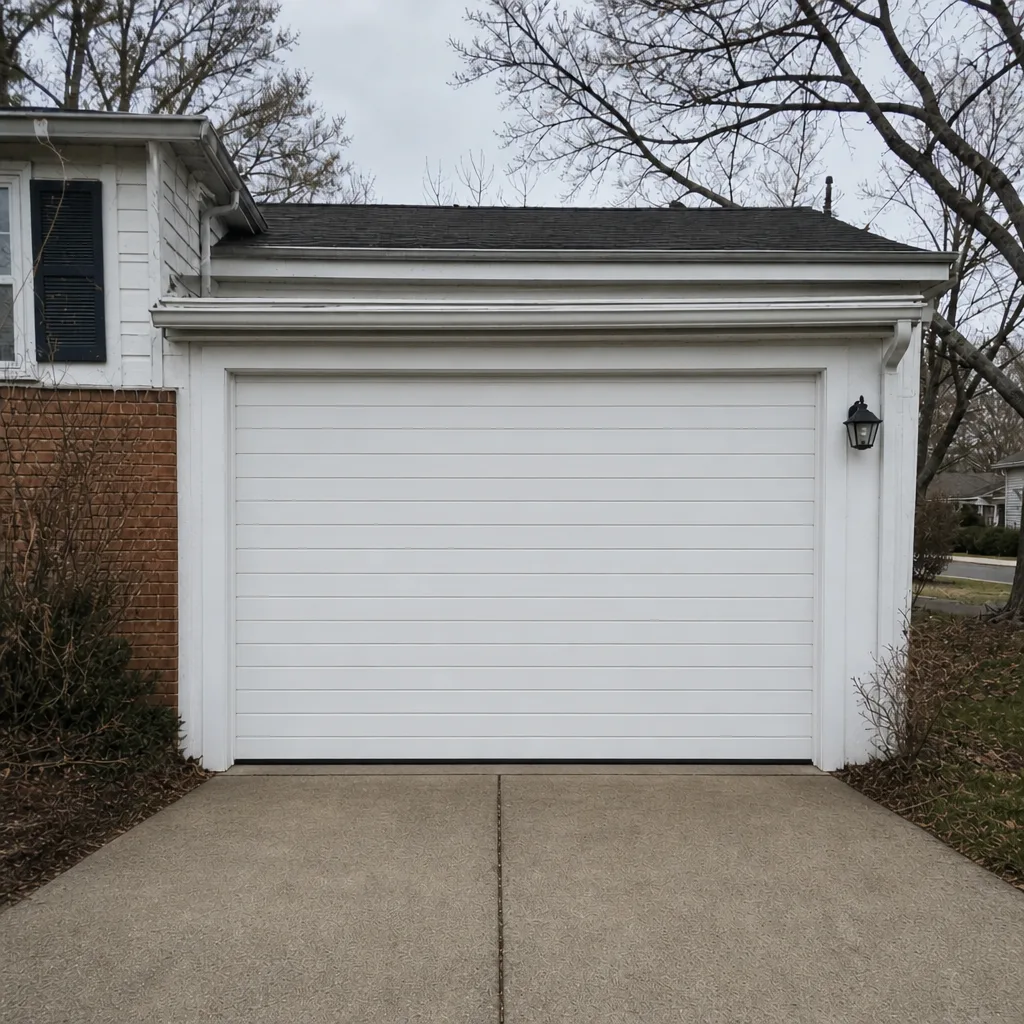
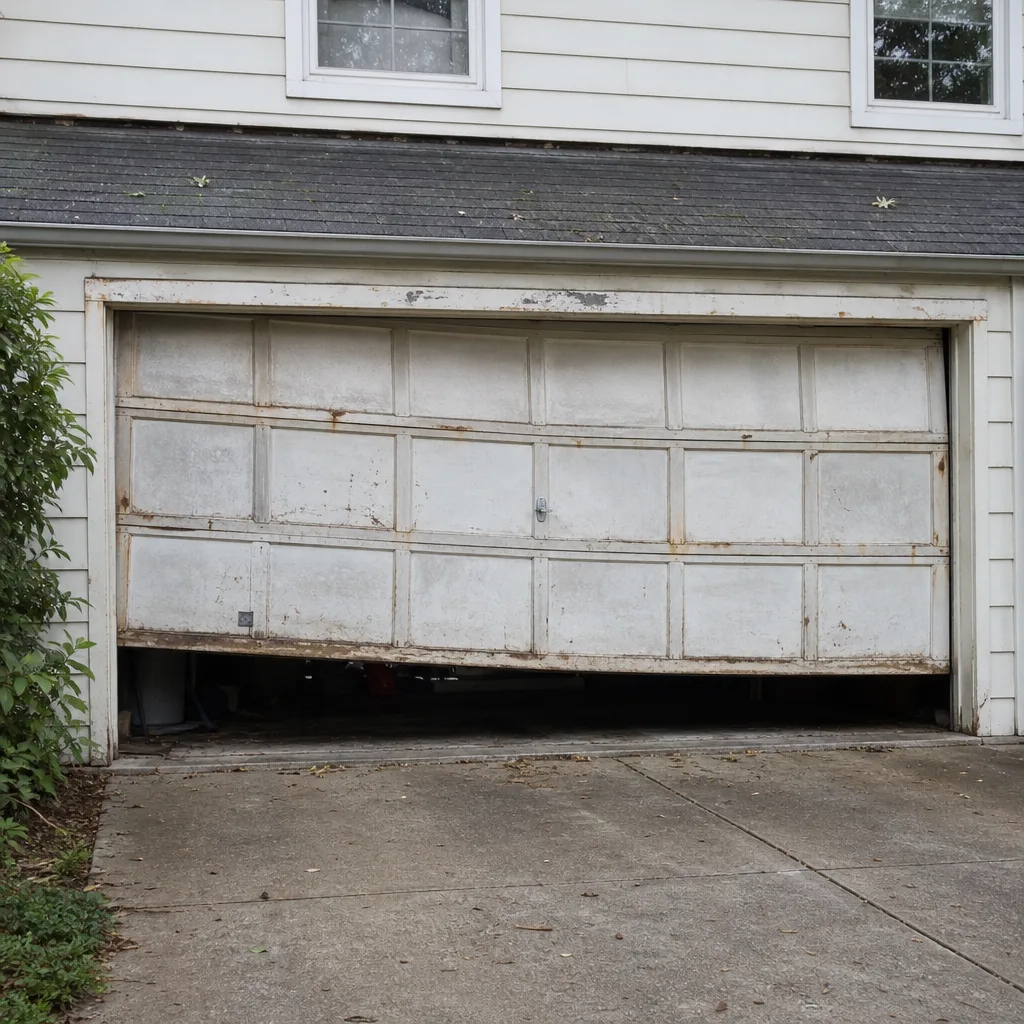
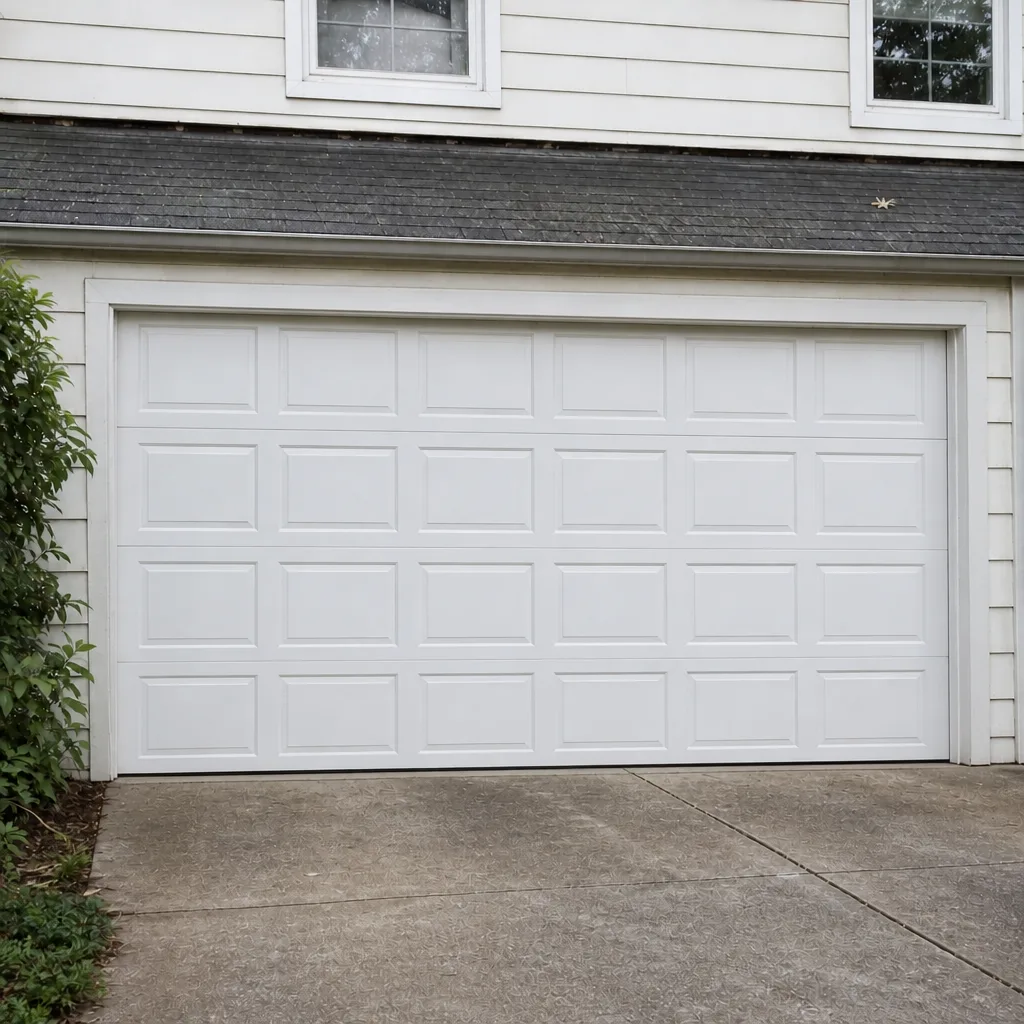
See the difference
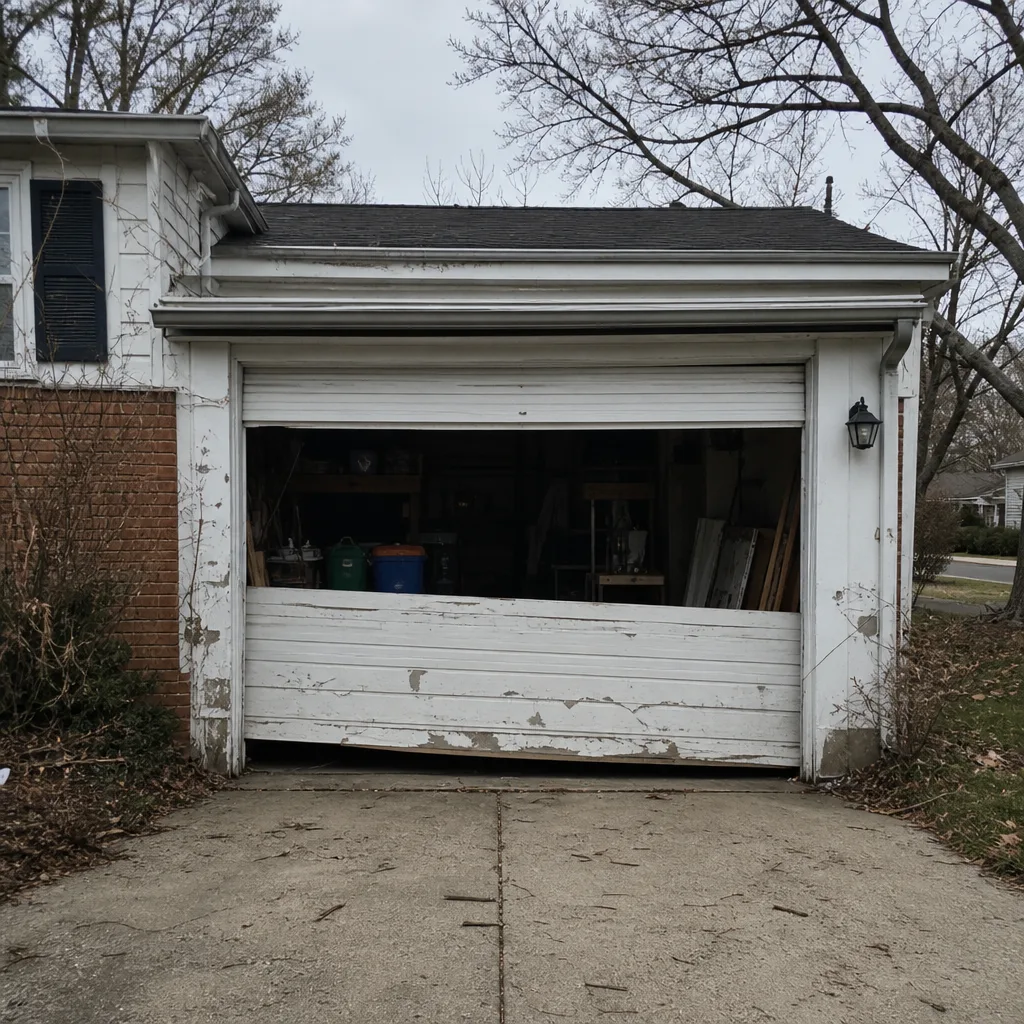 Before
 After
 Before
 After
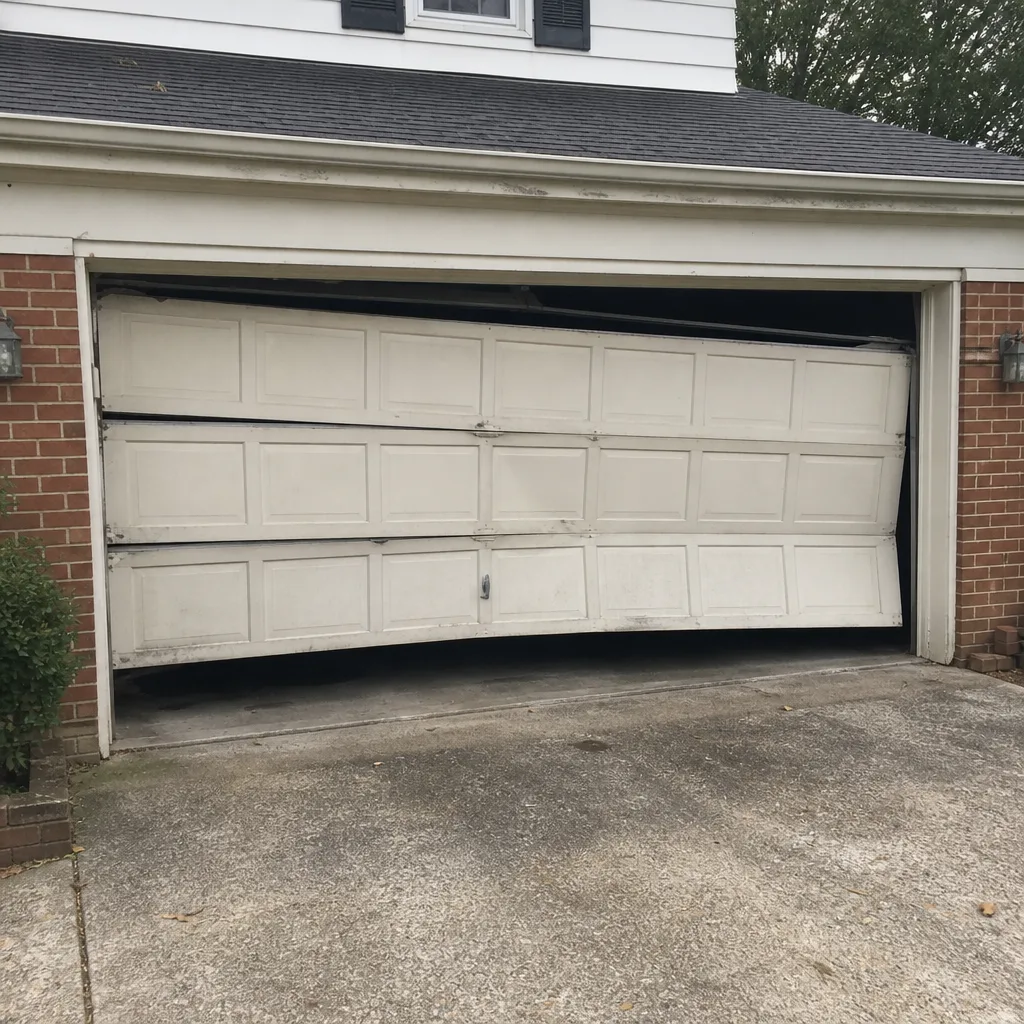 Before
 After
When to Call a Professional
Call a professional whenever a garage door system needs work beyond visual inspection. If the door is binding, the opener is grinding or reversing for no reason, the springs look stretched or broken, or the door is out of level, those are signs the hardware is under stress. Spring replacement always calls for a trained technician: high-tension springs are not a component to work on without proper tools and experience. The same is true of opening modifications, since those changes affect the load on the header and the anchoring. If you’re preparing to sell and want a professional report on the current state of the door and opener, that’s another reason to call.
Bethesda Garage Door Repair Co offers free estimates in Bethesda – call (855) 550-7581. We work on LiftMaster, Chamberlain, Genie, Raynor, Clopay, Amarr, Wayne Dalton, and Craftsman equipment, and we can measure the opening, report on the hardware, and let you know what the county conversation needs to look like before you buy anything. Emergency service is available for urgent failures like a door stuck open overnight or a door stuck closed with a car inside.
Frequently Asked Questions
Usually not, if the replacement is the same size and type on an unmodified opening – but any work that changes the opening’s structure, header, or framing typically does require one. Because the trigger is the opening and not the door, call the county’s building department with your specific measurements to be sure. A free on-site measure from our team will give you the numbers to work from – call (855) 550-7581.
A Montgomery County garage door inspection checks spring anchoring, track gauge and attachment, track alignment, header clearance, and the safety features of the opener, including the photo-eye sensors and auto-reverse. If the wall around the door is a fire-rated assembly, that assembly is part of the permitted scope as well. The inspection is not asking how the door looks; it’s asking whether the system is safe and structurally sound. If you want a report on your current setup before an inspection, call (855) 550-7581 for a free estimate.
Yes, if the wall between the garage and the living space is a fire-rated assembly, work on that assembly is treated differently than work on a non-rated partition. Bethesda has many townhomes and modified single-family homes where the garage shares a wall with living space, and the rating exists to slow a fire long enough for people to escape. Any change to the wall or to the door set into it should be confirmed with the county’s building department before work starts. Call (855) 550-7581 and we’ll tell you what we can see from the garage side.
Often yes, and the process starts with the county’s building department, not with the door. You’ll typically gather information about what was actually done, have the current system inspected, and then work with the county on the path to compliance. Bringing it up now, while you have time, is far easier than discovering it during a sale. Call (855) 550-7581 to schedule an inspection of the door and opener so you know the starting point.
They can. HOA architectural review requirements are common in some Bethesda communities, and they can be stricter than the county on door style, color, and window pattern. WSSC is the regional water and sewer utility and doesn’t approve garage door work, but its easements and infrastructure sometimes run alongside garages in older neighborhoods, and that’s worth mentioning to your contractor if the garage abuts a utility area. Confirm both before ordering a door – call (855) 550-7581 if you’d like help checking what applies to your home.
It can. A title search is one of the standard steps in a residential sale, and unpermitted work often shows up as a defect that a buyer’s agent is specifically looking for. The best defense is preventive: get the paperwork in order before you list, have the door and opener inspected, and pull any permit the county says is needed. If you’re not sure where to start, call (855) 550-7581 and we’ll get a technician out for a free estimate and a look at the system.
The Bottom Line
Garage door permitting in Bethesda comes down to one distinction: a swap of like-for-like hardware on an unmodified opening is usually ordinary repair, while any change to the structure, header, framing, or fire-rated assembly typically requires county review. HOA and WSSC layers can add their own requirements on top, so confirm both before you order a door. Inspections, when they apply, focus on spring anchoring, track attachment, header clearance, and the opener’s safety features, which is why professional handling of high-tension springs matters whether or not a permit is in play. And if you’ve inherited unpermitted work from a previous owner, the fix starts with the county and gets easier the earlier you start.
If you’re ready to look at your specific garage, call Bethesda Garage Door Repair Co at (855) 550-7581 for a free estimate. We work on the major brands already in Bethesda garages – LiftMaster, Chamberlain, Genie, Raynor, Clopay, Amarr, Wayne Dalton, and Craftsman – and we’ll measure, inspect, and tell you what you’re dealing with before you spend anything.
Written by the team at Bethesda Garage Door Repair Co.