Last updated November 23, 2026
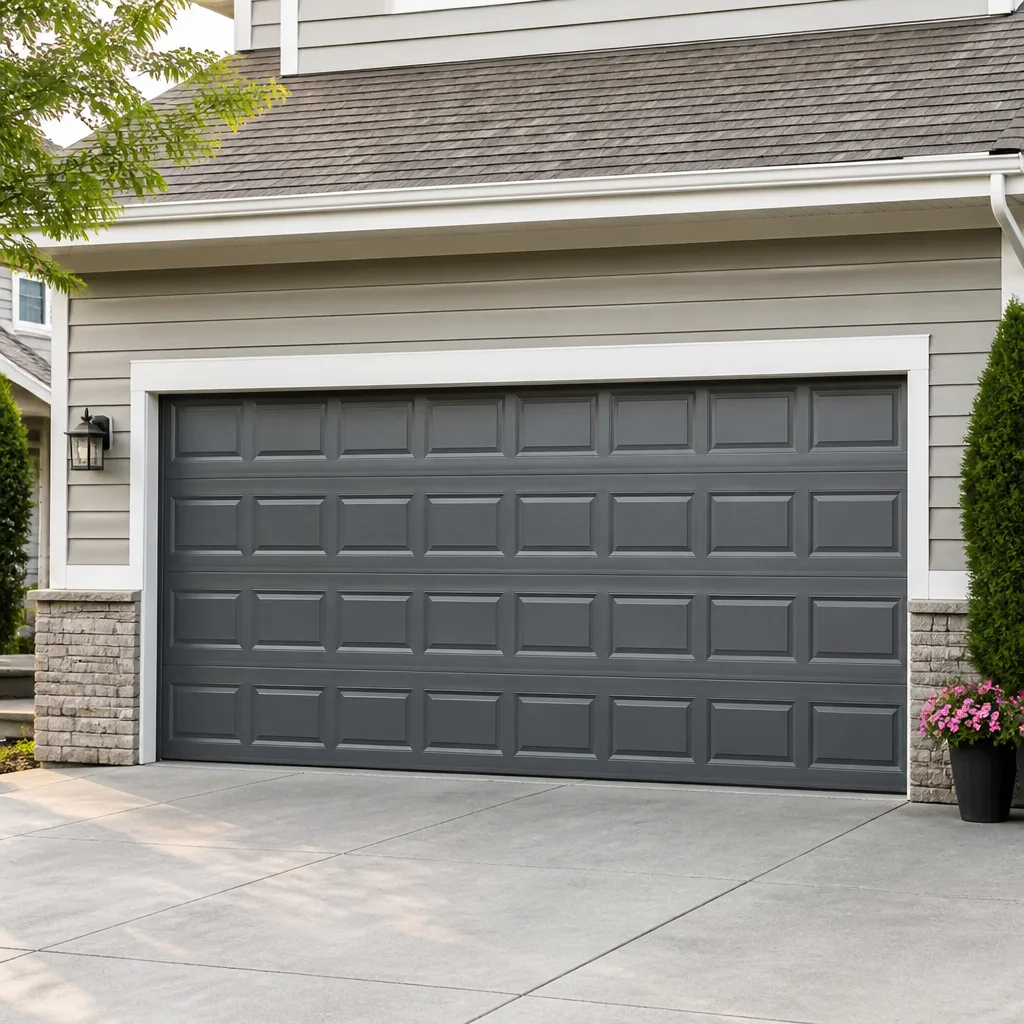 Raised-panel steel
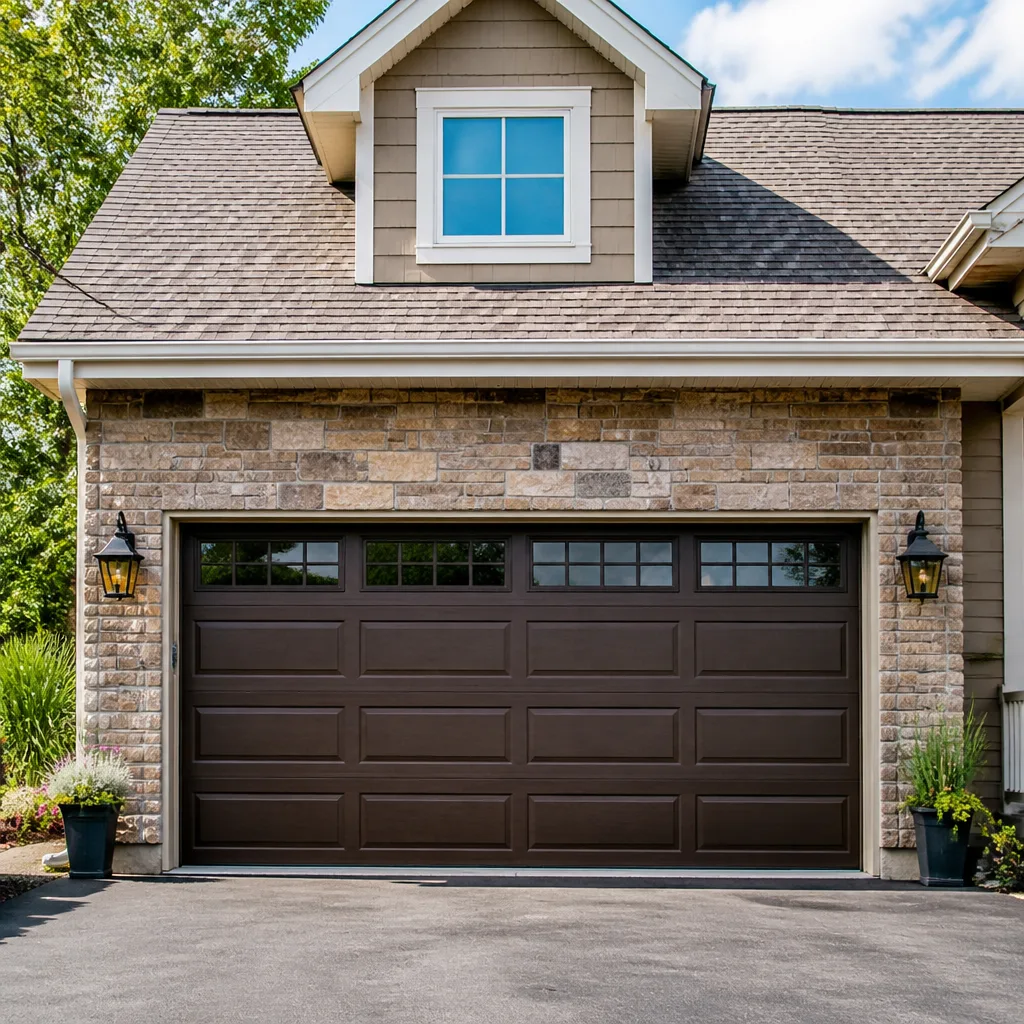
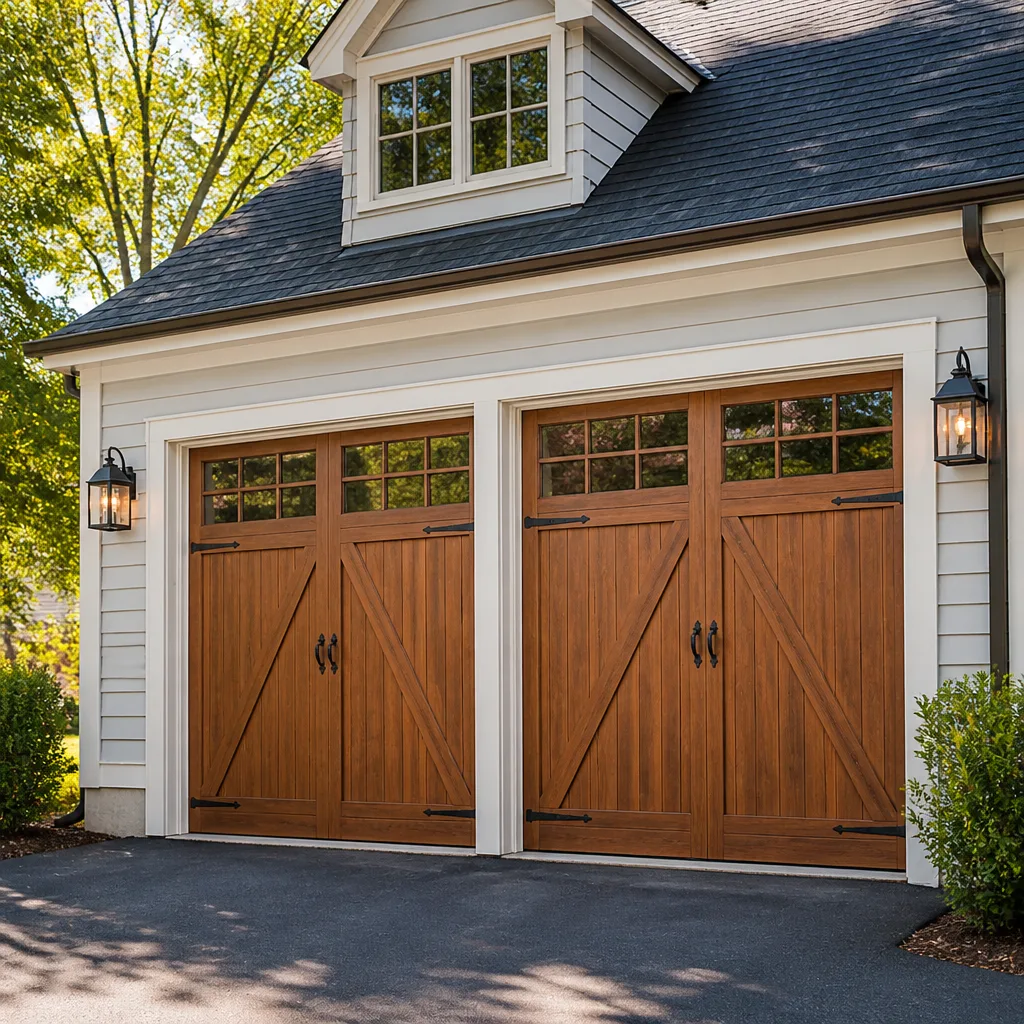 Carriage house
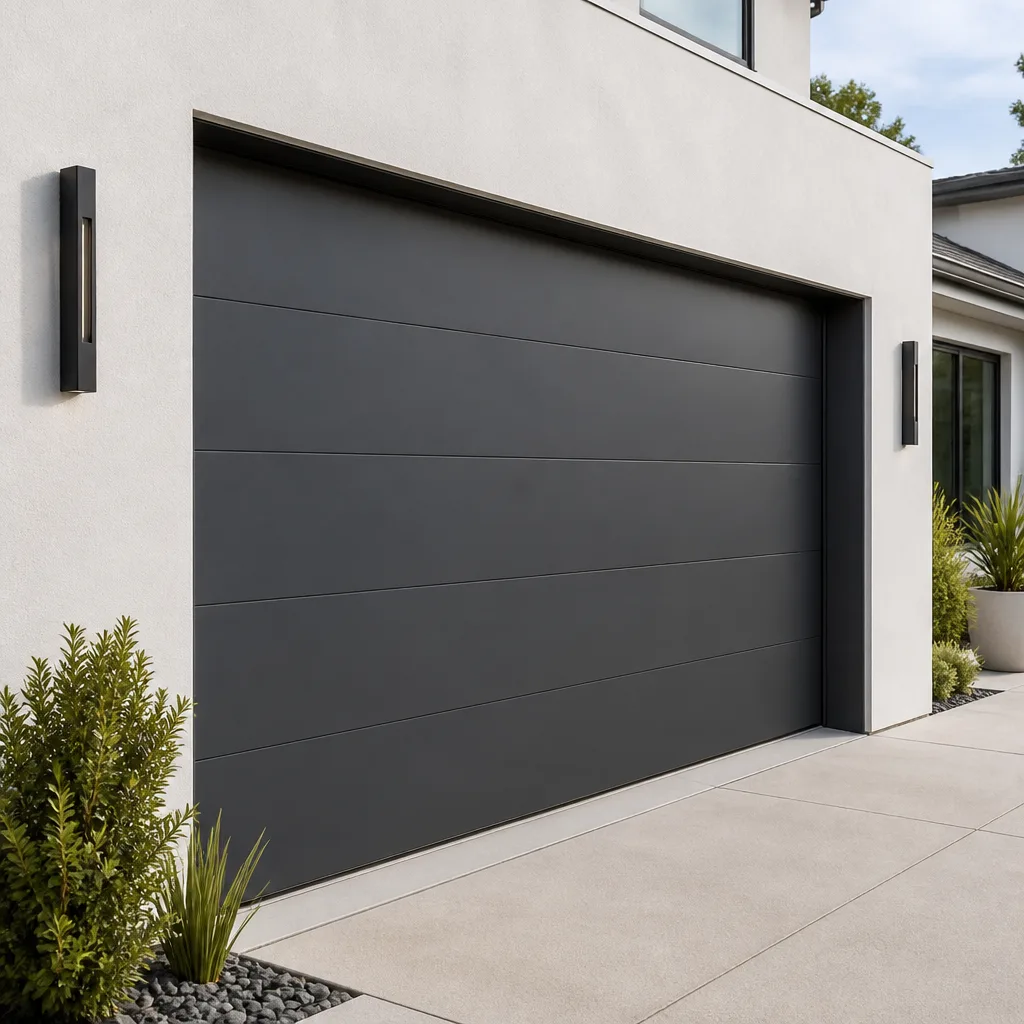 Modern flush
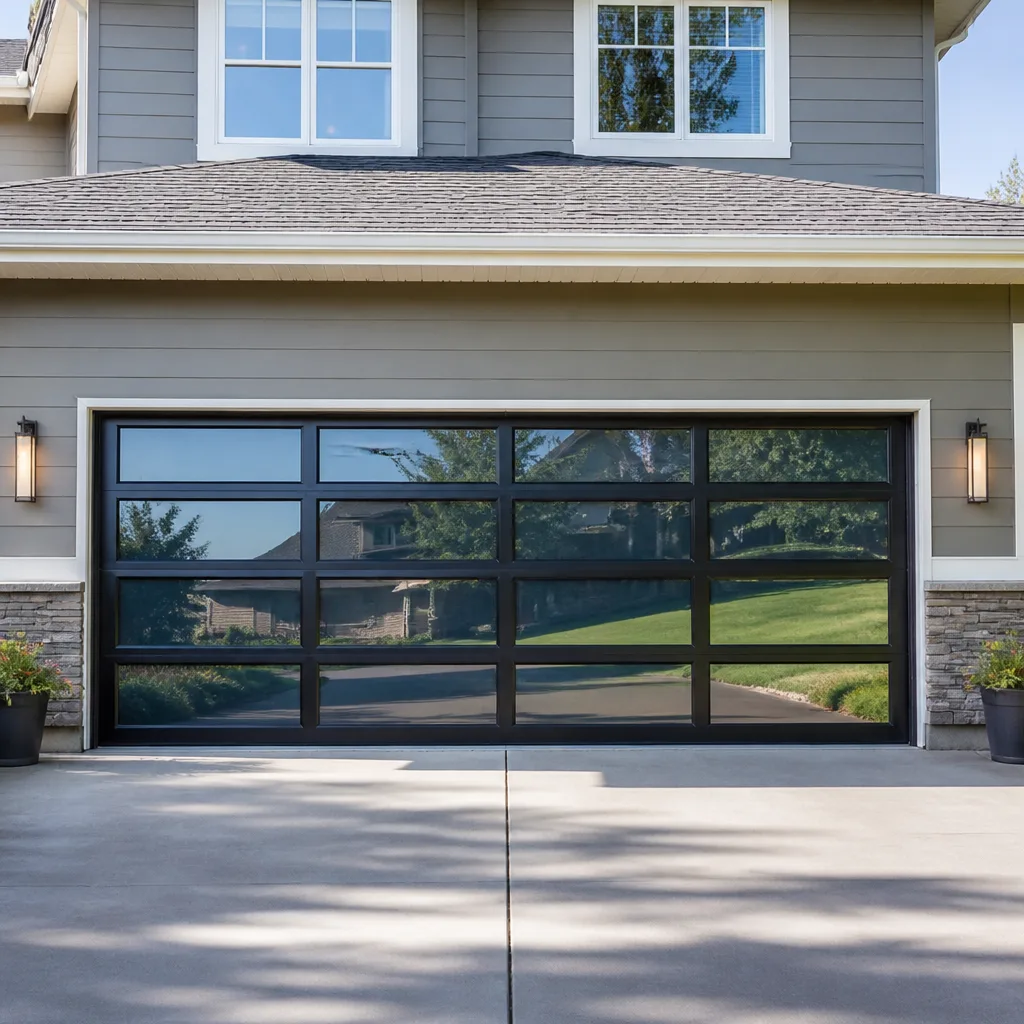 Full-view glass
 LiftMaster openers
 Chamberlain openers
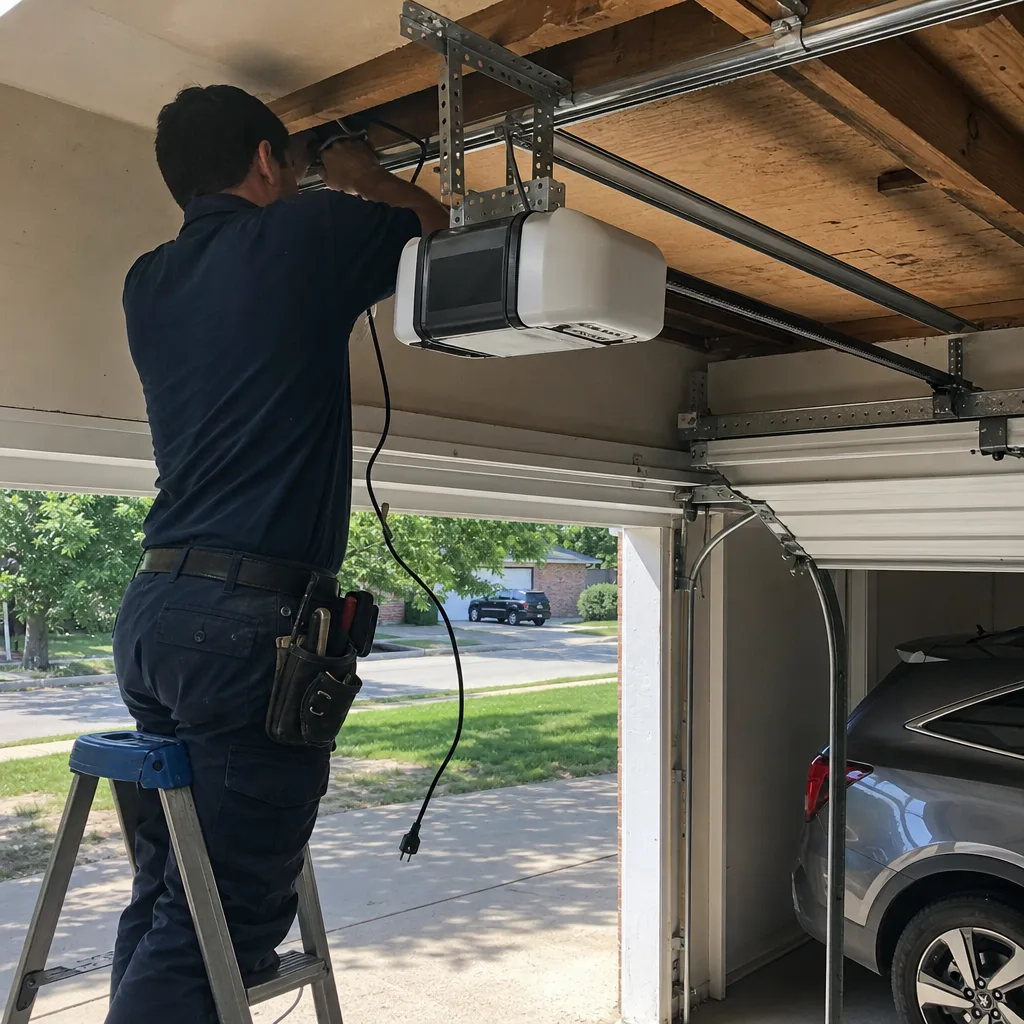
Full 25-point door and opener safety check with every visit - springs, cables, rollers, tracks, and your LiftMaster or Chamberlain opener included
You get a price before we start. It does not change when the pro arrives.
Get your free estimateGarage Door Repair Maintenance Checklist for Bethesda Homeowners
A loose bottom seal doesn’t just let cold air in. In Bethesda’s spring thaw, it lets water wick under the door and start rusting the bottom bracket from the inside – the part that’s under the most tension in the entire system. That single detail explains why a garage door here rarely fails all at once. It fails in a sequence. Most online checklists ignore that sequence, so they hand you a generic list of “lubricate this, tighten that” with no sense of timing. This guide is built around the failure order that actually plays out in Bethesda: humidity-driven hardware corrosion in spring and fall, opener strain in winter, panel warping in summer. Follow it and you’ll catch problems before one failure cascades into the next.
Styles & brands we work with
- Raised-panel steel
- Carriage house
- Modern flush
- Full-view glass
- LiftMaster openers
- Chamberlain openers
Quick Answer
The most effective garage door maintenance checklist for Bethesda is a month-by-month sequence, not a one-time tune-up: check seals and bottom brackets as the spring thaw arrives, watch hardware for humidity corrosion through the wet months, test opener strain as winter cold sets in, and inspect panels for heat warping in summer. Balance-test the door at its midpoint every season, and leave any work on torsion or extension springs to a trained professional. A door that gets this rhythm of attention lasts noticeably longer than one that only gets looked at when something breaks.
Table of Contents
- Why Bethesda’s Climate Sets Your Maintenance Calendar
- Spring Checklist: Seals, Water, and Bottom Brackets
- Summer Checklist: Heat, Panels, and Track Expansion
- Fall Checklist: Humidity, Corrosion, and Prep for Cold
- Winter Checklist: Opener Strain and Cold-Weather Hardware
- The Midpoint Balance Test and What It Tells You
- The Torque Points Almost Nobody Checks
- Which Lubricants to Use and Which to Avoid
- Spotting Spring Fatigue Before a Snap
- Common Mistakes to Avoid
- When to Call a Professional
- Frequently Asked Questions
- The Bottom Line
Why Bethesda’s Climate Sets Your Maintenance Calendar
Bethesda sits in a humid subtropical pocket of Montgomery County, and that single fact does more to shape garage door wear than any brand label. The region swings hard between wet, sticky summers and cold winters with real freeze cycles, and the garage – a semi-conditioned box attached to your house – absorbs every swing. Metal expands in July and contracts in January. Wood panels take on moisture and dry out again. Seals harden, then soften. None of that is dramatic on any given day, but it’s cumulative, and it moves through a predictable order across a year.
That order matters because garage door failures cascade. A seal that fails in the thaw lets moisture reach the bottom bracket. A bottom bracket that rusts loosens its grip on the cable. A cable under uneven load drags on the track, and the opener starts working harder to compensate. By the time the opener motor burns out, the original problem – a worn seal – is months in the past. The homeowner sees an opener failure and never connects it to the rust they didn’t notice.
This is why we build maintenance around the Bethesda calendar rather than a generic “check your door twice a year” suggestion. Homes closer to the Potomac tend to run damper and see corrosion faster. Homes up toward the Bethesda neighborhoods near the Beltway see the same pattern, just at a slightly slower pace. Either way, the sequence is the same: moisture first, cold second, heat third. Knowing which month brings which stress tells you what to look at and when.
The payoff is real. A door that gets seasonal attention at the right moments – seals checked before the thaw, hardware inspected in the wet months, opener load checked before winter – avoids most of the surprise repair calls that catch homeowners off guard. If something does slip past you, garage door repair is a quick call away, but the goal here is to need it less often.
Spring Checklist: Seals, Water, and Bottom Brackets
Spring in Bethesda means thaw, and thaw means water. The ground is saturated, gutters overflow, and any gap at the bottom of your garage door becomes an entry point for moisture that wicks its way inward. The bottom seal and the bottom bracket are where this shows up first, which is why they lead the whole checklist for the year.
Work through these in order once the last hard freeze has passed:
- Inspect the bottom seal along its full length. Run your hand along the rubber and look for cracks, flattening, or sections that no longer touch the floor. A seal that’s lost its flexibility won’t keep water out.
- Check the bottom bracket for rust. This is the steel fitting at each lower corner where the cable attaches. Surface rust is expected; flaking rust or a bracket that looks thin is not, and it’s a reason to stop and call.
- Look for water staining on the floor slab. A dark line under the door after rain tells you water is getting past the seal even if the rubber looks fine.
- Test the door’s balance at midpoint (details in the balance test section below). Spring thaw is a good time because you’re already looking at the moving parts.
- Clear debris from the tracks – grit and grit mixed with moisture forms a paste that accelerates roller wear.
If you find a bottom bracket that’s visibly rusted through, don’t test the door under power. That fitting is under cable tension, and a compromised bracket is a safety concern, not a maintenance item. Call a professional to assess it before you cycle the door again. For your own safety, keep your hands away from the cable and bracket area while you’re inspecting – visual checks only.
Spring is also the time to think ahead. If your door is older and you’re noticing multiple small issues – a worn seal, a squeaky roller, a slow opener – it may be worth having the whole system looked at rather than fixing each piece separately. That’s the kind of call that heads off a summer or winter failure down the line.
Summer Checklist: Heat, Panels, and Track Expansion
Bethesda summers bring heat and humidity that work on your door in two different ways at once. Metal tracks expand slightly in the heat, and wood or composite panels take on moisture from the air. The combination can make a door that ran smoothly in May start to bind or rub by August – and it’s usually the panels, not the springs, that are the culprit.
Here’s what to check through the warm months:
- Inspect each panel for warping or bowing. Look down the door from the side at a low angle. A panel that’s cupped or bowed out of plane will drag on the track and put uneven load on the opener.
- Check the track for alignment. Run a level along the vertical tracks and look for gaps between the track and the door’s rollers. Heat expansion can open a gap that wasn’t there in spring.
- Look at the rollers. Nylon rollers can flatten or crack in sustained heat. Steel rollers are more heat-stable but louder. Either way, a roller with a flat spot will thump as the door moves.
- Listen for new noises. A grinding or scraping sound that appears in summer and wasn’t there before usually points to a panel rubbing a track.
- Check the weatherstripping on the sides and top. Heat makes it brittle; a brittle strip cracks and stops sealing.
Panels that warp are usually a sign the door is nearing the end of its service life, and a warped panel is hard to fix without replacing it. That’s worth knowing before a panel fails completely. If you’re seeing real warping across more than one section, it’s worth a conversation about whether repair still makes sense or whether replacement is the better path – a full installation is something we handle, so the recommendation comes from fit, not from what we happen to have on hand.
Run the door a few times on a hot afternoon and just listen. Summer is the easiest season to catch a problem early because the symptoms are audible before they become visible.
Fall Checklist: Humidity, Corrosion, and Prep for Cold
Fall is the wet season in Bethesda, and wet means corrosion. The humidity that builds through October and November is the single biggest driver of hardware rust on the door – hinges, brackets, roller stems, and the track itself. This is the month to slow that down and to get the door ready for the cold that follows.
Work through this sequence before the first hard frost:
- Inspect every hinge and bracket for rust. A light film is normal; pitting or flaking means the part is losing strength and should be replaced.
- Lubricate hinges, rollers, and pivot points with a proper garage door lubricant (more on which products below).
- Check the bottom seal again. The one you checked in spring has had a full season of use; if it’s flattened or cracked, replace it before water gets a second chance.
- Test the safety reverse. Place a small object in the door’s path and confirm it reverses on contact. This is a critical safety check and it’s easy to do.
- Tighten the track mounting bolts – vibration loosens them over time, and a loose track is a door that binds in winter.
- Check the opener’s force settings if you have the manual, or have a technician check them – a door that’s gotten heavier through the year needs the opener to work harder, and that’s the strain that shows up as a winter failure.
The hinges and brackets on a Bethesda door see more rust pressure than the same parts would in a drier climate, so this fall pass is the one that matters most for longevity. If you’re noticing corrosion across many parts at once – particularly on an older door – it may be time to weigh repair against replacement. We work on whatever hardware is already on your door, including Raynor and LiftMaster systems that are common in this area, so the recommendation is based on the actual condition rather than on swapping you into a different brand.
Winter Checklist: Opener Strain and Cold-Weather Hardware
Winter is when the opener does the most work and gets the least credit. Cold thickens lubricants, stiffens seals, and contracts metal, all of which add resistance to a door that was running easily in October. A healthy opener handles that extra load. A marginal one fails – and the failure almost always traces back to strain that built up over the year, not to the cold itself.
Winter checks to run when the temperature drops:
- Listen to the opener on the first cold morning. A labored, grinding, or straining sound that wasn’t there in fall is a sign the door has gotten heavier or the opener is working harder than it should.
- Test the door’s manual operation. Disconnect the opener using the release handle and lift the door by hand. If it’s noticeably harder to lift than it was in fall, something has changed.
- Check the safety reverse again – cold stiffens the rubber on the bottom seal, and a seal that’s frozen or stiff can prevent the reverse from triggering correctly.
- Look at the opener’s drive mechanism. A belt or chain that’s tightened up in the cold can run noisily; a screw-drive opener can bind. If your opener is a LiftMaster or Chamberlain unit with a battery backup, check that the battery holds a charge through cold snaps.
- Keep the tracks clear of ice and grit. Salt and grit tracked in on the car can bind a track quickly.
If the door fails on a cold night and won’t open with the car inside, that’s an emergency in the practical sense – it traps the vehicle. If it fails open, the garage is exposed to the weather and to anyone walking by, which is its own kind of problem. Emergency service exists for exactly these situations. And if the opener itself is failing, garage door opener repair covers both current smart units and older legacy systems, including Genie and Craftsman models that have been in service for years.
The Midpoint Balance Test and What It Tells You
The midpoint balance test is the single most useful thing a homeowner can do to check spring health without touching the springs. It tells you how much of the door’s weight the springs are still carrying – and that number is the clearest early warning of spring fatigue you’ll get.
Here’s how to run it safely:
- Disconnect the opener using the release handle so you’re testing the door, not the motor.
- Lift the door by hand to about halfway open – roughly waist to chest height.
- Let go and watch. A properly balanced door stays where you left it. If it drifts down, the springs are losing tension. If it drifts up, they’re over-tensioned or something else is wrong.
- Reconnect the opener only after the door is back down and the release has engaged.
What deviation means in practice: a door that sinks slowly and settles at the floor has springs with reduced lift force. A door that sinks quickly and heavily has springs that are close to failing. A door that drifts up was likely adjusted too tight and is putting extra load on the opener. In each case, the fix involves the springs, and that’s work for a trained professional – torsion and extension springs are under high tension, and adjusting or replacing them is a genuine injury risk if you don’t know exactly what you’re doing. General handymen routinely decline spring work for this reason.
Run the test every season, and note whether the deviation is getting worse over time. A door that sank a little in spring and sinks more by fall is on a countdown. Since spring fatigue is the most common cause of a door that suddenly won’t open, this test is how you get ahead of the most common emergency call. If you want the springs looked at properly, garage door spring repair is handled as a dedicated service – not as a side task on a general repair visit.
The Torque Points Almost Nobody Checks
Vibration is the quiet destroyer of garage door hardware. Every time the door cycles, every bolt and screw in the system gets a tiny jolt, and over hundreds of cycles those fasteners work loose. Generic maintenance checklists almost never mention which ones to check, which is why loose hardware is one of the most common things we find on a first visit.
The two that matter most:
- Bottom bracket bolts. These hold the bracket that anchors the cable at each lower corner. When they loosen, the bracket shifts under load, the cable runs at a slightly wrong angle, and the door starts to bind. This is the part that’s under the most tension in the system, so loose bolts here are a real concern.
- Track mounting bolts. These attach the vertical and horizontal tracks to the wall and ceiling framing. Loosened track bolts let the track move out of alignment, which shows up as a door that rubs or a roller that jumps the track.
Secondary points worth checking with a socket wrench or screwdriver, depending on the fastener:
- Hinge screws at each panel joint
- Roller stem brackets
- The opener’s mounting bracket at the header
- The center bearing plate on torsion-spring systems
Check these with the door fully closed and the opener disconnected, and tighten anything that moves by hand. Don’t over-torque – stripping a fastener creates a worse problem than the one you were fixing. For the bottom bracket specifically, if it’s moving at all, stop and call. That’s a safety-critical fitting, and the correct fix involves relieving the cable tension first.
This is the part of maintenance that pays for itself most reliably. A loose track bolt caught in spring is a five-minute tighten; caught after it’s caused a roller to bend or a panel to crack, it’s a repair. If you’d rather have it done properly once a year, Bethesda Garage Door Repair Co handles the full range of door and hardware work across the brands in this area.
Which Lubricants to Use and Which to Avoid
Lubricant choice is where a lot of well-intentioned maintenance actually makes things worse. The wrong product on the wrong component can attract grit, degrade rubber, or leave a sticky film that binds the door instead of freeing it. Here’s the short version of what goes where.
What to use:
- Springs and hinges: a purpose-made garage door lubricant (often a lithium- or silicone-based spray) applied sparingly. It coats without attracting dust.
- Steel rollers: a light garage door lubricant on the bearing, not the wheel.
- Nylon rollers: these usually need nothing, or at most a dry silicone spray. They’re designed to run without grease.
- Lock cylinders: graphite or a dry lock lubricant.
What to avoid:
- WD-40 on springs or as a general lubricant. Standard WD-40 is a water displacer and light solvent, not a long-term lubricant. On springs it strips the existing coating and leaves the metal bare, which speeds corrosion.
- Grease on nylon rollers. Grease attracts grit and turns into a grinding paste that wears the roller faster.
- Heavy grease anywhere on the track. A greased track collects dirt and binds.
- Oil on the opener’s drive rail unless the manufacturer specifically calls for it.
Apply lubricant sparingly – a light film is enough. Excess product drips onto the floor, attracts grit, and does more harm than good. The general rule: thin, dry, and targeted beats thick, wet, and everywhere. If you’re not sure what your specific door needs, a quick inspection will tell us the right products for the components already on it.
Spotting Spring Fatigue Before a Snap
Springs almost never fail without warning. They fatigue gradually, and the visual signs show up weeks before a snap. Catching them early means a planned replacement instead of an emergency one – and in practical terms, a call you make versus a call you’re forced to make.
Signs that appear on both galvanized and oil-tempered torsion springs:
- A visible gap or separation in the coil windings – the spring has stretched beyond its design and it’s no longer doing its full share of the work.
- A rusty, corroded surface. Galvanized springs hold up better to humidity but still show pitting; oil-tempered springs are more susceptible and will often show rust streaks before failure.
- A door that’s gotten heavier to lift by hand. This ties directly to the balance test above.
- Loud bangs or pops when the door is operated. This can be a sign a spring is binding or a coil is about to fail – stop operating the door and call.
- A door that won’t stay up with the opener disconnected. This is the late-stage warning, and it means the spring is near the end of its life.
There’s a difference between the two spring types worth knowing. Galvanized springs are more corrosion-resistant and tend to fatigue gradually, giving you clearer warning. Oil-tempered springs are more common and generally stronger for their size, but they’re more vulnerable to the humidity that dominates the Bethesda fall, and they can show fatigue as rust pitting before any visible separation. In our experience, a door with oil-tempered springs in a damper part of the county is the one most worth checking early each fall.
If you see any of these signs, the spring needs replacement, and that’s a job for a trained technician. Don’t try to adjust, unwind, or remove a spring yourself – the stored energy in a wound torsion spring is enough to cause serious injury, and this is precisely why general contractors decline spring work. A prompt call avoids a snapped spring, a trapped car, and a bigger repair.
Common Mistakes to Avoid
- Greasing the track. It feels like it should help, but a greased track collects grit and turns into a grinding paste that wears rollers faster. Keep tracks clean and dry, and lubricate the rollers, not the track.
- Using WD-40 on the springs. It strips the protective coating and leaves bare metal that rusts quickly in Bethesda’s humid fall. Use a proper garage door lubricant instead.
- Tightening everything as hard as it will go. Over-torqued fasteners strip or crack, creating a worse problem than the loose bolt you started with. Snug is enough for most points, and the bottom bracket should never be tightened without relieving cable tension.
- Skipping the balance test because the door “seems fine.” The midpoint test is the cheapest early warning you have, and skipping it means you find out about spring fatigue when it snaps instead of weeks before.
- Assuming a warped panel is a spring problem. Summer panel warping is a separate issue from spring fatigue, and treating one when the other is failing wastes money and delays the real fix.
- DIY spring work. Torsion and extension springs are under high tension, and a mistake can cause serious injury. This is the one maintenance item a homeowner should never take on – call a professional.
- Ignoring a slow opener until it fails. An opener that strains through one winter is often an opener that fails the next. Catching the strain early is cheaper than replacing the unit.
When to Call a Professional
Some maintenance is homeowner-level: tightening a hinge screw, clearing grit from a track, replacing a weather seal. But several specific situations call for a trained technician, and knowing which is which saves both money and risk. Call us if you find a rusted or loose bottom bracket, if the balance test shows the door sinking quickly, if you see separation or heavy rust on a spring, if the op
See the difference
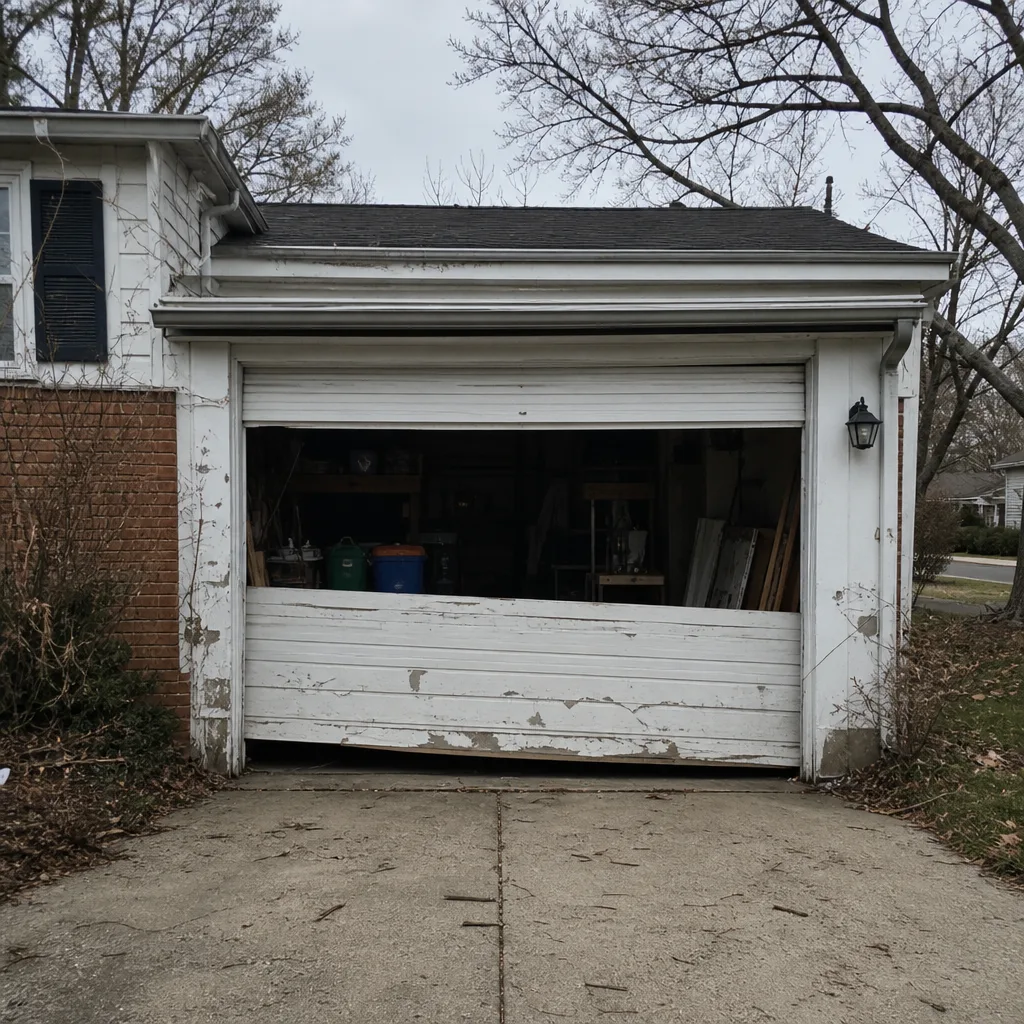 Before
 After
 Before
 After
 Before
 After